
Why Lettuce Turns Bitter
Updated July 2026
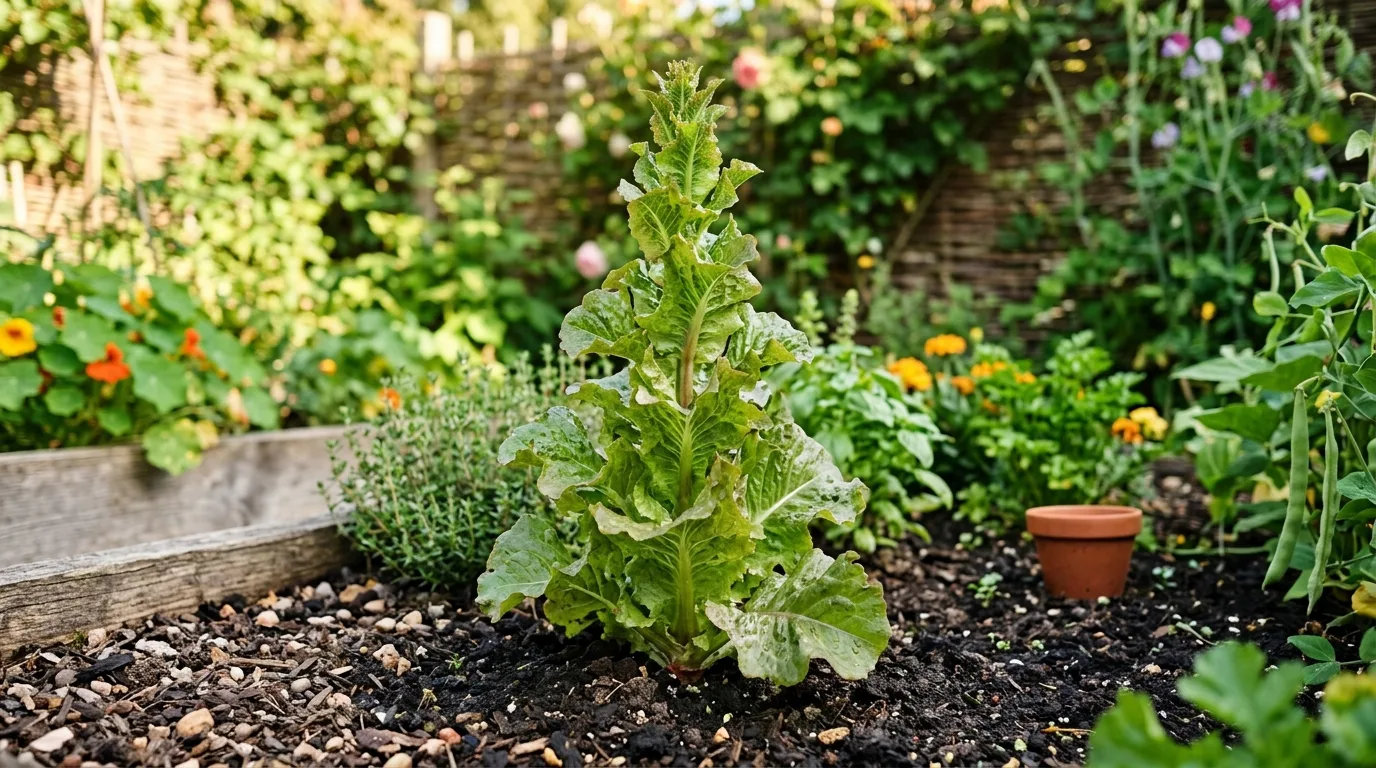
Bitterness is the first warning that a lettuce is switching from leaf-making to seed-making.
The lettuce that was sweet last week suddenly tastes like medicine. Bitterness in lettuce is chemistry with a schedule: as the plant prepares to bolt, it pumps its leaves full of bitter compounds, and flavour is the first thing to go, well before you see a flower stalk.
Why lettuce goes bitter
Lettuce is a cool-season plant that measures heat and day length. When conditions tell it summer has arrived, it stops investing in tender leaves and starts building a seed stalk, loading the leaves with bitter sap along the way. The triggers:
- Heat. A run of days much above about 25C flips the switch fastest, and warm nights compound it.
- Long days. Late spring and early summer day length pushes lettuce toward seed even in mild weather.
- Water stress. Dry soil reads as danger, and a stressed lettuce turns bitter early. Shallow roots make lettuce the first crop to feel a missed watering.
- Age. Every lettuce turns eventually. A head left standing past maturity goes bitter even in perfect weather.
How to keep lettuce sweet
Never let it dry out
Steady moisture is the single biggest flavour lever. Water lightly and often rather than deep and rare, because lettuce roots live in the top few centimetres. Mulch keeps that zone damp and cool.
Give it afternoon shade in warm weather
Lettuce is one of the few crops that is grateful for less sun. A spot with morning sun and afternoon shade, or 30 percent shade cloth over the bed, buys weeks of extra sweetness at the tail of the season.
Harvest young and in the morning
Pick outer leaves as soon as they reach usable size and take whole heads on the young side. Bitterness is lowest in the cool of morning, so that is picking time in summer.
Sow to dodge the trigger
Succession sow small amounts through the cool months and switch to slow-bolt and heat-tolerant varieties as a New Zealand summer approaches. Cos and oakleaf types generally stay sweet longer than iceberg styles in warm weather.
Can you fix bitter lettuce?
Partly. Washed and chilled in the fridge for a day, bitter leaves mellow noticeably. Pair strong leaves with a sweet or creamy dressing, or braise mature heads, which softens the bitterness the way cooking mellows chicory. A lettuce with a visible seed stalk is past saving for salads; pull it and let the chooks have it, or leave one to self-seed.
Catch problems before they cost you a crop
Track every bed in the Planting Season app, log what is going wrong, and get region-specific reminders so the same problem does not bite twice.
Open the App →Frequently Asked Questions
Why does my lettuce taste bitter all of a sudden?
The plant has started its run to seed. Heat, long days, dry soil or plain age tell lettuce to bolt, and it loads its leaves with bitter compounds before any flower stalk shows. Flavour turns first, then the stalk appears.
Is bitter lettuce safe to eat?
Yes, completely. The bitter compounds taste unpleasant in quantity but are harmless. Chilling picked leaves for a day, pairing them with a sweet dressing, or cooking mature heads all soften the flavour.
How do I stop lettuce going bitter in summer?
Steady light watering, afternoon shade or 30 percent shade cloth, young harvests picked in the morning, and slow-bolt varieties. Succession sowing every fortnight matters more than any single trick, because young plants are sweet plants.
Does bitter lettuce mean it has bolted?
It means bolting has begun internally. Bitterness arrives days or weeks before the visible seed stalk. Once you taste it, harvest hard and young, because sweetness will not return to that plant.
Which lettuce varieties stay sweet longest?
Cos, butterhead and oakleaf types generally hold flavour in warmth better than icebergs, and anything sold as slow-bolt or heat-tolerant earns its label. In hot climates, treat lettuce as a cool-season crop and lean on those varieties at the edges of summer.
See also: Stop Lettuce Bolting and Salad Greens in Containers
Get next month's planting calendar, free
One email a month with exactly what to plant in your region, plus seasonal tips and harvest reminders. No spam, and you can unsubscribe any time.