
Why Your Fruit Tree Isn't Fruiting
Updated June 2026
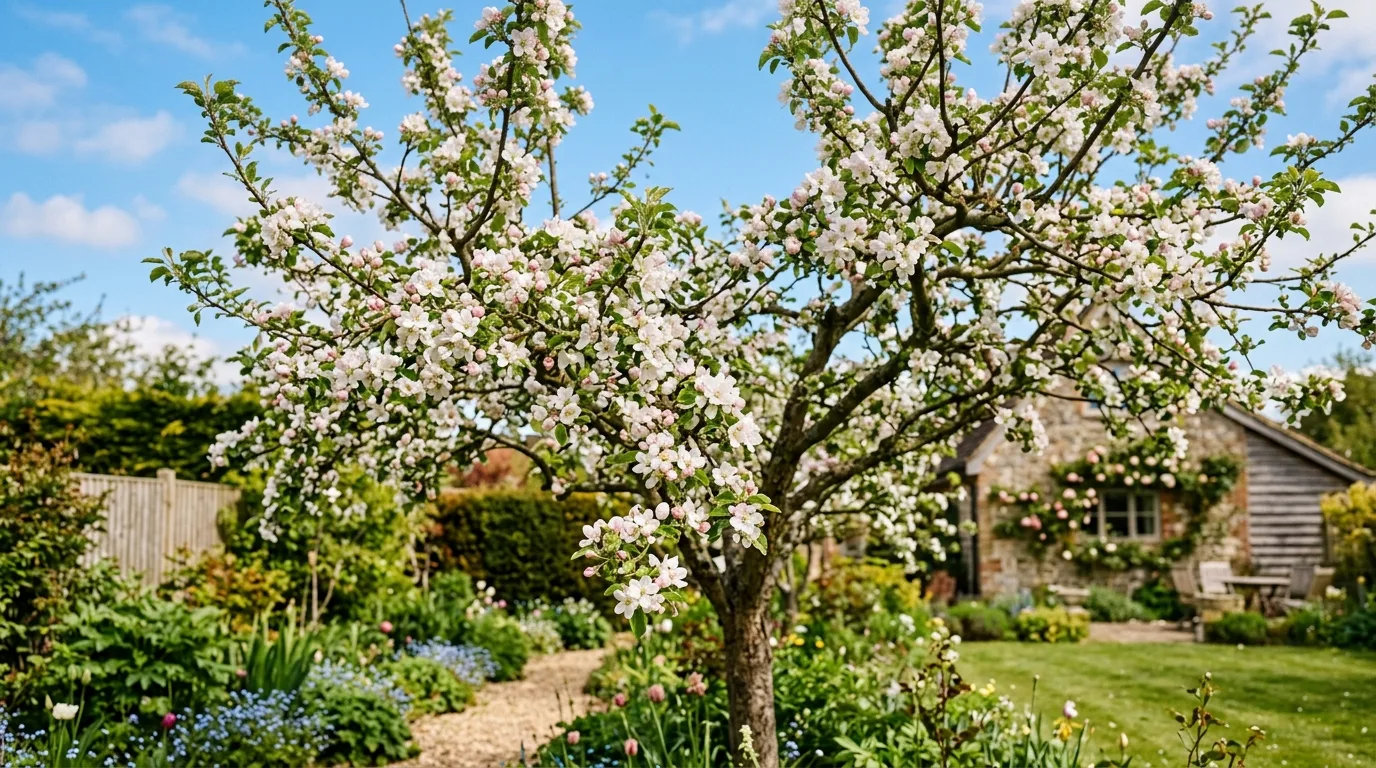
From missing pollinators to too little winter chill, here is why a tree skips fruit and how to fix it.
A fruit tree that grows beautifully but never delivers fruit is a long, frustrating wait. The causes are usually straightforward once you know what to check, and most are fixable. Work through them in order.
It may just be too young
Many fruit trees take years to bear. Citrus often takes three to five years from planting, apples and pears three to five, stone fruit two to four, avocados three to five or more. A young tree putting on healthy growth is doing exactly what it should. Patience is the first answer.
It needs a pollination partner
Many apples, pears, plums and almonds need a second, different variety nearby to cross-pollinate. A lone tree of a self-incompatible variety will flower and drop without setting. Check whether your variety is self-fertile, and if not, plant a compatible partner or graft one in. Citrus, peaches, nectarines, apricots and figs are mostly self-fertile, so for those, look elsewhere.
It is not getting enough winter chill
Deciduous fruit trees need a number of cold hours over winter to flower and fruit properly. A high-chill apple or cherry grown in a warm, mild area will flower poorly or not at all. If you are in a warm region, grow low-chill varieties bred for it. This is a common reason for no fruit in subtropical and coastal gardens.
Too much nitrogen or shade
A tree fed heavily with nitrogen, or growing in lawn that gets lawn fertiliser, puts its energy into leaves and wood rather than fruit. Ease off nitrogen and use a fruit-and-citrus feed higher in potassium. A tree in too much shade also will not fruit well, fruit trees want full sun.
Pruning and biennial bearing
Over-hard pruning, especially removing the wood that carries flower buds, can cut off next season's fruit. Learn where your tree fruits before you prune. Some trees, apples especially, also fall into biennial bearing, a heavy year followed by a bare one. Thinning fruit in the heavy year evens this out.
Catch problems before they cost you a crop
Track every bed in the Planting Season app, log what is going wrong, and get region-specific reminders so the same problem does not bite twice.
Open the App →Frequently Asked Questions
Why does my fruit tree flower but not fruit?
The most common reasons are a missing pollination partner for varieties that need cross-pollination, poor bee activity during blossom, or cold wet weather at flowering. Frost on open blossom also destroys a crop. Check pollination first.
How long until a fruit tree bears fruit?
It varies by type. Citrus often takes three to five years, apples and pears three to five, stone fruit two to four, and avocados three or more. A healthy young tree that is growing well simply needs time.
Do I need two fruit trees to get fruit?
Often, yes. Many apples, pears, plums and almonds need a second compatible variety nearby to cross-pollinate. Citrus, peaches, nectarines, apricots and figs are usually self-fertile and will fruit alone.
Why won't my apple or cherry tree fruit in a warm climate?
Most likely insufficient winter chill. Deciduous trees need a set number of cold hours to flower properly, and high-chill varieties fail in mild areas. Grow low-chill varieties bred for warm and coastal regions.
Can too much fertiliser stop a tree fruiting?
Yes. Too much nitrogen, including from nearby lawn feed, pushes leafy growth instead of fruit. Switch to a fruit-and-citrus fertiliser higher in potassium and keep lawn fertiliser away from the root zone.
See also: Fruit Tree Varieties and Chill Hours
Get next month's planting calendar, free
One email a month with exactly what to plant in your region, plus seasonal tips and harvest reminders. No spam, and you can unsubscribe any time.