
Why Your Seeds Won't Germinate
Updated June 2026
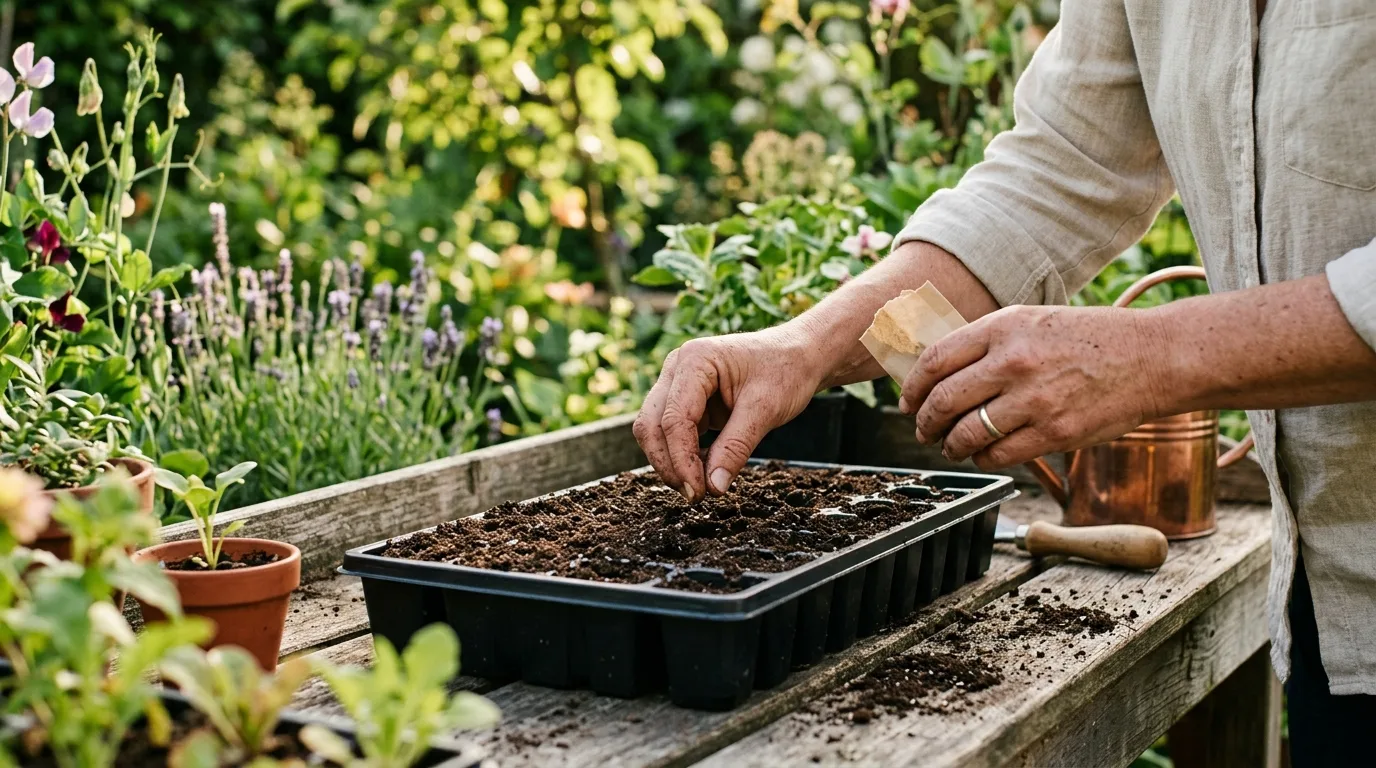
Most germination failures come down to a handful of fixable causes. Here is the checklist.
Few things deflate a new gardener like a tray of seed that never comes up. The good news is that germination failure almost always traces to one of a short list of causes, and once you know them you can fix the batch and get reliable results. Work down this checklist.
The common causes
- Sown too deep. The most common mistake. As a rule, sow a seed about twice its own depth. Tiny seeds need barely covering, and some need light to germinate and should sit on the surface.
- Too wet or too dry. Seed needs steady moisture. Waterlogged mix rots seed, while letting it dry out even once after sowing kills the emerging root. Aim for consistently damp, never soggy.
- Wrong temperature. Every seed has a temperature range. Warm-season crops like tomato, capsicum, cucumber and basil will not germinate in cold soil, while some cool-season seeds stall in heat.
- Old or poorly stored seed. Viability drops over time, fast in some crops. Seed kept warm and damp degrades quickly.
- Too much patience needed. Some seeds are just slow. Parsley, carrots and chillies can take two to three weeks.
How to get reliable germination
Match warmth to the crop
Give warm-season seeds warmth, a heat mat or a warm spot indoors, and do not sow them outdoors until the soil has warmed. Sow cool-season crops in the milder parts of the year. The app calendar shows the right sowing window for your region.
Get the depth and moisture right
Sow at the correct depth, firm the mix gently for good seed-to-soil contact, and keep it consistently damp. Covering trays with a lid or cling film until seedlings appear holds moisture evenly. Remove the cover the moment they sprout.
Use fresh seed and a fine mix
Use seed within its viable life and store the rest cool, dark and dry. Sow into a fine, free-draining seed-raising mix rather than heavy garden soil or chunky potting mix, which can crust over or stay too wet.
Give it time before giving up
Check the expected germination time for the crop before assuming failure. Fast crops like radish and many leafy greens are up in days, but parsley, carrots, celery and chillies are genuinely slow and patchy. Keep the mix damp and warm and give slow seeds the full window.
Catch problems before they cost you a crop
Track every bed in the Planting Season app, log what is going wrong, and get region-specific reminders so the same problem does not bite twice.
Open the App →Frequently Asked Questions
Why won't my seeds germinate?
The usual causes are sowing too deep, letting the mix dry out or keeping it too wet, the wrong temperature for that crop, or old seed. Check each in turn. Most failures are one of these and all are fixable.
How deep should I plant seeds?
A good rule is about twice the seed's own depth. Large seeds go deeper, tiny seeds need only a dusting of mix, and a few kinds need light to germinate and should sit on the surface. Sowing too deep is a top cause of failure.
Can old seeds still germinate?
Often, but the rate drops over time, quickly in some crops like parsnip and onion. Store seed cool, dark and dry to extend its life, and do a damp paper-towel test on doubtful batches before sowing a whole tray.
Why are my seeds taking so long to come up?
Some are simply slow. Parsley, carrots, celery and chillies can take two to three weeks, and cold conditions slow everything down. Keep the mix evenly damp and warm and give slow crops the full germination window before giving up.
Does temperature affect germination?
A lot. Each crop has a temperature range, and warm-season seeds like tomato and capsicum will not germinate in cold soil, while some cool-season seeds stall in heat. Provide warmth for warm-season crops and sow to your region's calendar.
See also: Fixing Leggy Seedlings and Seed Saving
Get next month's planting calendar, free
One email a month with exactly what to plant in your region, plus seasonal tips and harvest reminders. No spam, and you can unsubscribe any time.