
Pumpkin Soup and Pumpkin Recipes for Your Own Harvest
Updated November 2026
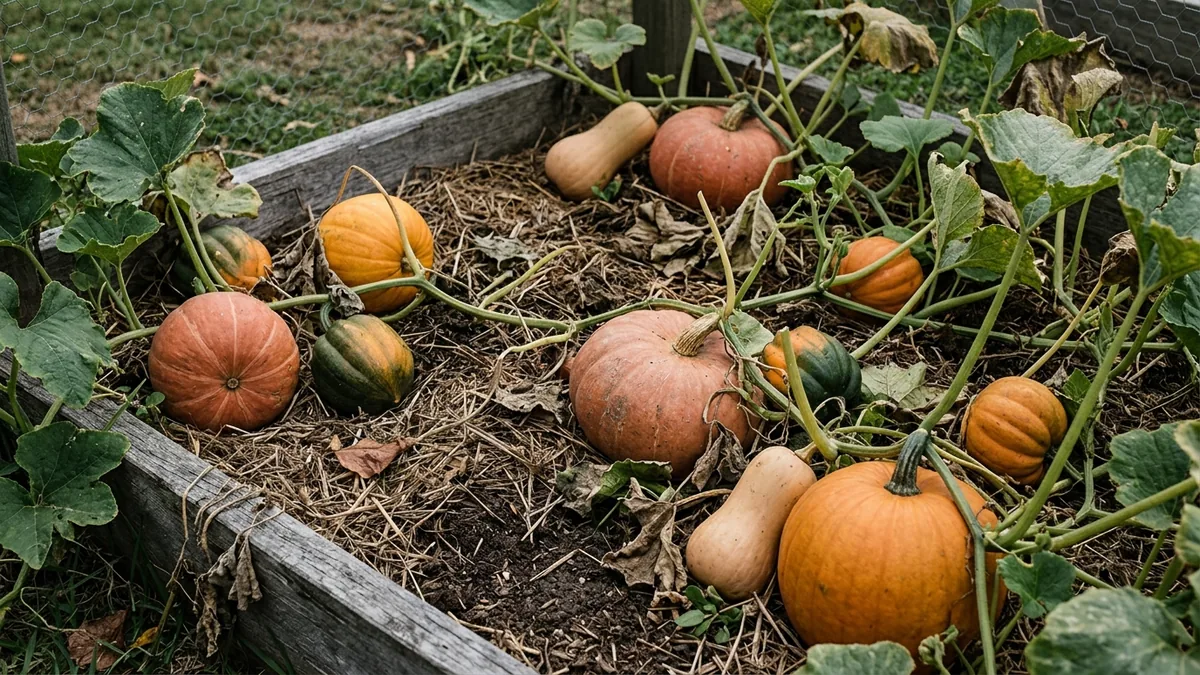
A classic soup, roast pumpkin, pumpkin scones and roasted seeds, with the months to grow and pick
A well-grown pumpkin plant gives you far more flesh than one household can eat fresh, which is why pumpkin soup is the first recipe most New Zealand gardeners learn. This page gives a classic soup with exact quantities, a simple way to roast a pumpkin, a batch of pumpkin scones and a method for the seeds, plus the growing months so you know when the fruit will be ready to cut.
Oven temperatures on this page are for a standard (non-fan) oven. If you bake with a fan, lower each temperature by 20 degrees and check the food a few minutes early.
The short answer: peel and chop 1.2 kg of pumpkin, soften it in a pot with an onion and garlic, simmer in 1 litre of stock for 20 minutes and blend until smooth. The soup freezes well for up to three months.
When pumpkins are ready in New Zealand
Pumpkins are a warm-season crop that cannot take a frost, so the planting months depend on your region. Our planting data gives these sowing months, and the plant needs about 120 days from sowing to a mature fruit.
| Region | Sowing months |
|---|---|
| Northland | Oct to Nov |
| Auckland | Oct to Nov |
| Waikato & Bay of Plenty | Oct to Nov |
| Central North Island | Nov |
| Wellington & Lower North Island | Nov to Dec |
| Nelson & Marlborough | Nov to Dec |
| Canterbury | Nov to Dec |
| Otago & Southland | Dec |
| Central Otago | Dec |
Add roughly 120 days to the sowing month and you have the harvest: fruit sown in October is ready from about February in the north, and fruit sown in December in Central Otago or Southland is ready around April. The when to harvest pumpkins guide shows how to tell a ripe fruit by its dry stalk and hard skin, and the pumpkin growing guide covers sowing, spacing and pollination. The pumpkin plant page has the quick facts for your region.
Choosing a pumpkin for soup
Any pumpkin that is dense and orange-fleshed makes good soup. Butternut and buttercup types have smooth, sweet, fine-grained flesh and little water, so the soup is thick without long reduction. Crown pumpkins and other large grey-green types are drier and a little milder, and they suit roasting as well as soup. Our pumpkin varieties page compares the types grown in New Zealand.
A fruit with a long dry stalk that has been cured in the sun for a week or two stores for months, and the flavour improves a little in storage. Use fruit with a damaged skin first, cutting away any soft or mouldy patch generously, because decay spreads through the flesh faster than it shows on the surface.
To prepare a hard pumpkin safely, cut a thin slice off the base so it sits flat, then cut it in half from top to bottom with a heavy knife and scoop out the seeds. Lay each half cut side down to peel or to cut into wedges. Microwaving a whole pumpkin for two minutes first softens the skin if it resists the knife.
Classic pumpkin soup
This makes six bowls and is thick enough to eat with toast. Use stock you like the taste of, because it carries the soup.
Ingredients
- 1.2 kg peeled and seeded pumpkin, cut in 3 cm chunks (about 1.6 kg whole pumpkin)
- 1 tablespoon butter or neutral oil
- 1 large onion, diced
- 2 cloves garlic, chopped
- 1 teaspoon ground cumin (optional)
- 1 litre vegetable or chicken stock
- 1 teaspoon salt, plus more to taste
- Black pepper
- 100 ml cream or milk, to finish (optional)
Method
- Melt the butter in a large pot over medium heat and cook the onion for 6 to 8 minutes until soft and translucent but not browned.
- Add the garlic and cumin and stir for 1 minute until fragrant.
- Add the pumpkin, stock and salt. Bring to the boil, then lower the heat, cover and simmer for 20 to 25 minutes until a piece mashes easily against the side of the pot.
- Blend with a stick blender until completely smooth. For a thinner soup, stir in up to 250 ml of hot water or stock.
- Stir in the cream if using, season with pepper and more salt, and reheat gently without boiling.
Roast the pumpkin first for a deeper flavour. Toss the chunks in 2 tablespoons of oil, roast at 200°C for 30 minutes until the edges colour, then simmer them in the stock for just 10 minutes before blending.
Roast pumpkin
Roast pumpkin is the base for salads, sandwiches and the roast dinner, and it keeps well enough to cook a double tray. This feeds four as a side.
Ingredients
- 1 kg pumpkin, seeded and cut in wedges about 4 cm wide (skin on is fine for butternut and buttercup)
- 2 tablespoons olive oil
- 1 teaspoon salt
- 3 sprigs fresh rosemary or thyme, or 1 teaspoon dried
- 3 cloves garlic, unpeeled and lightly crushed
Method
- Heat the oven to 200°C and line a large tray with baking paper.
- Toss the wedges with the oil, salt and herbs and spread them in a single layer with space between each piece. Crowded pumpkin steams rather than browns.
- Tuck the garlic cloves in among the wedges.
- Roast for 35 to 45 minutes, turning once halfway, until the edges are browned and a knife slides in without resistance.
- Squeeze the soft garlic out of its skin and mash it over the pumpkin before serving.
Leftover roast pumpkin keeps in the fridge for three days and can be blended with stock for a quick soup.
Pumpkin scones
Cold, mashed pumpkin makes soft scones that stay moist for a day. This makes 9 scones. Steam or roast the pumpkin and let it cool completely before you start, because warm pumpkin melts the butter.
Ingredients
- 300 g self-raising flour, plus extra for dusting
- 1/2 teaspoon salt
- 40 g cold butter, cut small
- 150 g cold mashed cooked pumpkin
- 1 egg
- 50 to 80 ml milk, plus a little extra for glazing
- 100 g grated tasty cheese (optional)
Method
- Heat the oven to 220°C and line a tray with baking paper.
- Rub the butter into the flour and salt with your fingertips until it looks like coarse crumbs. Stir through the cheese if using.
- Whisk the pumpkin and egg together, add 50 ml of milk and tip the lot into the flour. Mix with a knife until the dough just comes together, adding the remaining milk a spoonful at a time only if it is dry. The dough should be soft and slightly sticky.
- Turn it onto a floured bench, pat out to 3 cm thick without kneading, and cut into 9 squares with a floured knife.
- Place the scones close together on the tray, brush the tops with milk and bake for 15 to 18 minutes until risen and golden. Cool on a rack under a tea towel.
Eat them the same day, or split and freeze them for up to three months and warm them in a 180°C oven for 8 minutes.
Roasted pumpkin seeds
The seeds from one medium pumpkin make a handful of crunchy snacks, and it takes ten minutes of effort.
Ingredients
- Seeds from 1 medium pumpkin
- 1 teaspoon oil
- 1/2 teaspoon salt
Method
- Pull the seeds from the stringy flesh and rinse them in a colander, rubbing off the pulp. Pat dry on a tea towel.
- Toss with the oil and salt and spread on a tray in a single layer.
- Roast at 150°C for 20 to 25 minutes, stirring once, until pale golden and crisp. They will crisp further as they cool.
Store them in a sealed jar for up to two weeks.
Freezing and storing pumpkin soup
Pumpkin soup freezes better than most soups because it contains no potato or pasta to go grainy. Skip the cream until you reheat it, because dairy can split when thawed.
- Cool the soup quickly by pouring it into shallow containers, then refrigerate once it stops steaming.
- Freeze in portions of 300 to 500 ml in labelled containers or flat bags, leaving 2 cm of space at the top because the soup expands.
- Use frozen soup within three months for the best flavour. Thaw it in the fridge overnight and reheat until it is steaming hot.
- Soup in the fridge keeps for three days.
Raw pumpkin chunks can also be frozen, but cooked and mashed pumpkin freezes more reliably. Our freezing the harvest guide has the general rules for vegetables. Cooked food should go into the fridge within two hours of cooking, and leftovers are best eaten within three days. Reheat soups and bakes until they are steaming hot all the way through.
Quick reference
| Recipe | Pumpkin needed | Oven or cook | Time | Keeps |
|---|---|---|---|---|
| Classic soup (6 bowls) | 1.2 kg peeled | Simmer | 20 to 25 minutes | 3 days in the fridge, 3 months frozen |
| Roast pumpkin (4 serves) | 1 kg | 200°C | 35 to 45 minutes | 3 days in the fridge |
| Scones (9) | 150 g mashed | 220°C | 15 to 18 minutes | 1 day, or 3 months frozen |
| Roasted seeds | Seeds of 1 pumpkin | 150°C | 20 to 25 minutes | 2 weeks sealed |
Questions
How much pumpkin do I need for soup?
About 1.2 kg of peeled, seeded pumpkin makes six bowls of thick soup. That is roughly 1.6 kg of whole pumpkin, depending on how thick the skin and seed cavity are.
Can I freeze pumpkin soup?
Yes. Cool it quickly, freeze it in labelled portions with 2 cm of space at the top, and use it within three months. Add cream only when you reheat it.
Which pumpkin is best for soup?
Butternut and buttercup have sweet, dense, low-water flesh and give a thick soup. Crown and other large pumpkins are milder and also work well, especially if you roast them first.
Do I have to peel the pumpkin for soup?
For a smooth soup, peel it. Roasted butternut and buttercup skin is soft enough to eat in wedges, but it leaves flecks in blended soup.
How long does a pumpkin take to grow in New Zealand?
Our data uses about 120 days from sowing to a ripe fruit. Sow once the soil has warmed and the frost is over, from October in the north to December in the south.
Sources
- New Zealand Food Safety (MPI): food safety in the home
- National Center for Home Food Preservation: tested home preserving methods
Plant profile
The pumpkin profile has sowing times for your region, companion plants and common pests.