
Crop Rotation
Updated June 2026
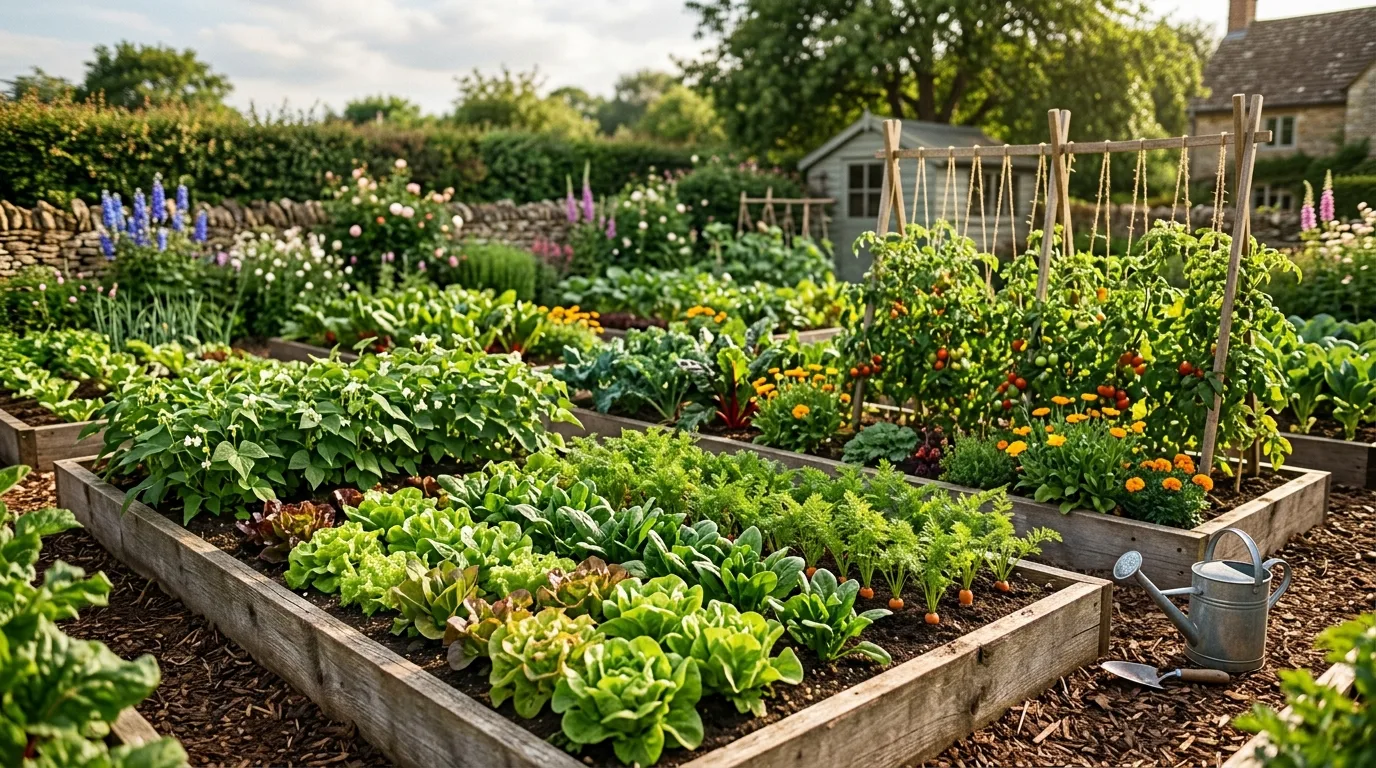
Crop rotation means not growing the same kind of vegetable in the same spot year after year. Move plant families around the garden and you keep the soil balanced and stop pests and diseases settling in.
It sounds technical but the idea is simple. Different crops take different things from the soil and bring different problems. Shuffling them around each year evens it all out and keeps the whole garden healthier.
Why rotate your crops
Grow the same crop in the same place too often and two things happen. It strips the same nutrients from that patch of soil season after season, and the pests and diseases that target that crop build up and lie in wait.
Rotation solves both. By following the one-in-three rule, you avoid growing the same family in the same bed more than once every three years. The soil gets a chance to recover, and pest cycles are broken before they take hold.
Grouping crops by family
Plants in the same family share pests and feeding habits, so you rotate by family rather than by individual crop. Keep a rough map of your beds and which family went where, and shift each group along to the next bed the following year.
A simple four-group rotation works for most home gardens. Move heavy feeders into beds that legumes have just enriched, follow with lighter root crops, then rest the soil before starting the cycle again.
- Legumes: peas, beans, broad beans, which feed the soil with nitrogen
- Brassicas: cabbage, broccoli, cauliflower, kale, which are hungry feeders
- Roots and onions: carrots, beetroot, onions, garlic, parsnip
- Fruiting and leafy: tomatoes, courgettes, potatoes, lettuce, silverbeet
Resting the soil
A useful part of any rotation is giving a bed a rest with a green manure or cover crop. Sown in autumn, crops like mustard, lupin, broad beans or oats grow over winter and are dug back in before they flower in spring.
This puts humus and nutrients back into the soil, smothers weeds and protects the surface from heavy winter rain. It is one of the easiest ways to improve your soil for free, especially over a wet or cold off-season.
Frequently Asked Questions
How does crop rotation work?
You group vegetables by family and avoid growing the same family in the same bed more than once every three years. Each year the groups move along to the next bed, which rests the soil and breaks pest and disease cycles.
What is the one-in-three rule?
It is the guideline that you do not grow the same crop family in the same spot more than once in any three-year stretch. It gives the soil time to recover and stops problems building up in one place.
What is a green manure crop?
A green manure is a crop like mustard, lupin or broad beans grown to improve the soil rather than to eat. You sow it over the off-season and dig it in before it flowers, adding nutrients and organic matter back to the bed.