
Feeding your garden the organic way
Updated June 2026
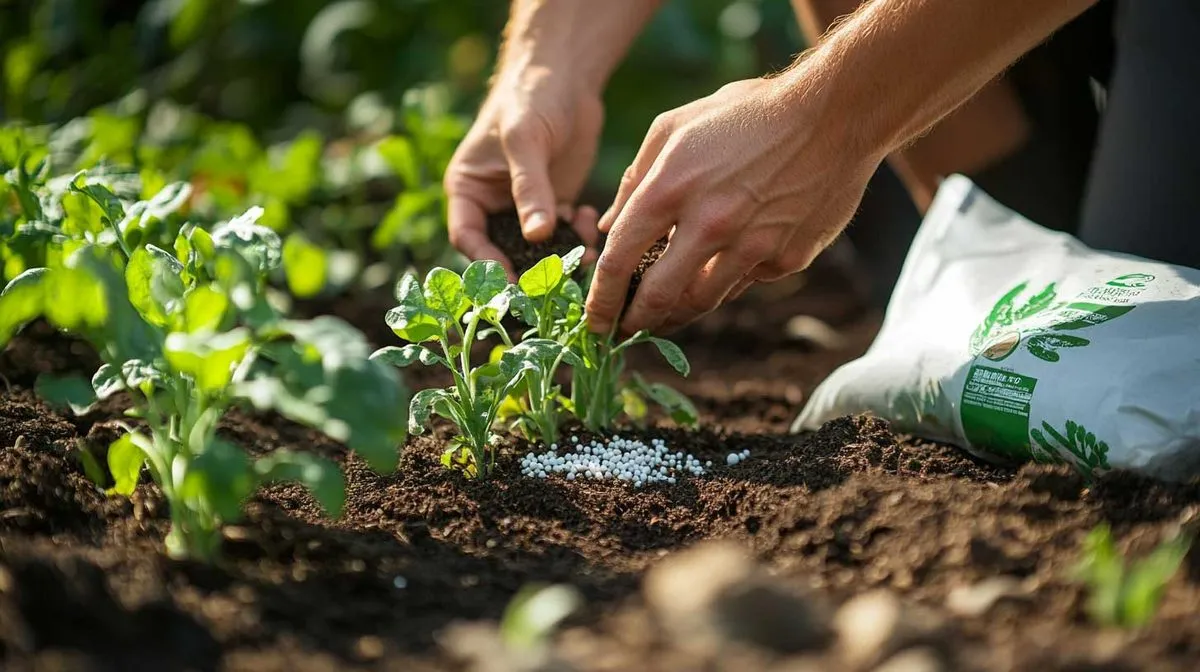
Healthy plants start with healthy soil. Feed the soil well and the plants more or less look after themselves. The organic approach is all about building living, fertile soil rather than just dosing plants with quick chemical hits.
New Zealand gardeners are spoiled for good natural inputs, from sheep pellets and compost to seaweed and fish fertiliser. Used together through the season they keep the soil rich and the worms working.
In pictures
Build the soil first
The foundation of organic feeding is compost and organic matter. Dig plenty of compost through your beds before planting, and your soil holds more water, feeds itself slowly and grows stronger plants.
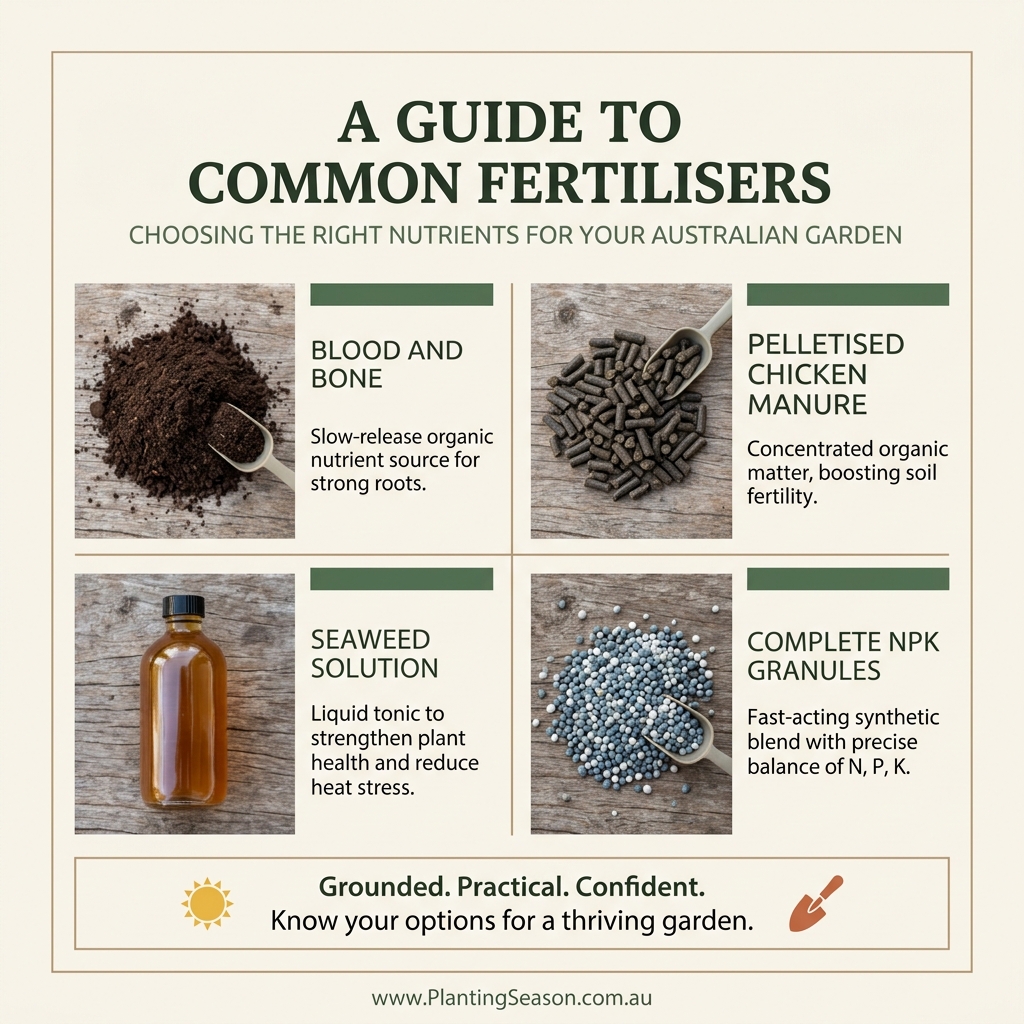
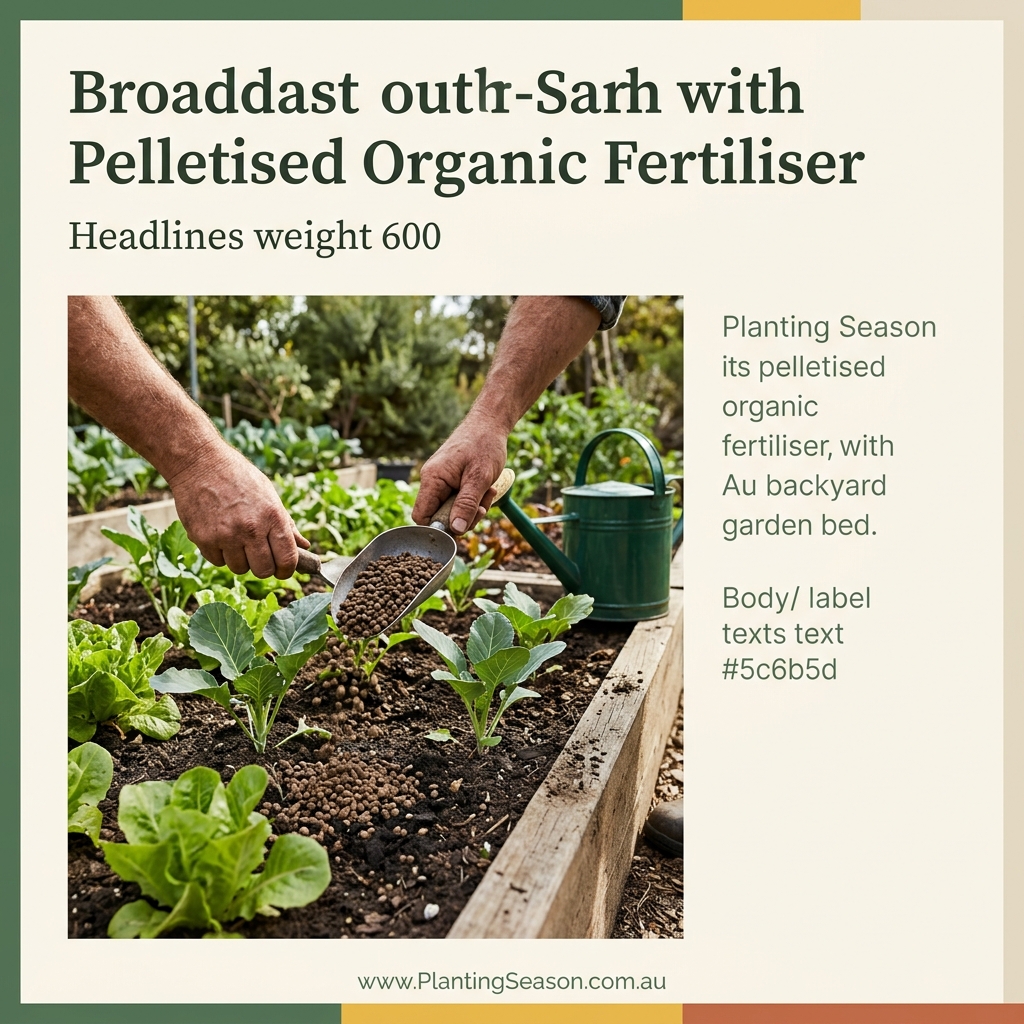
Sheep pellets are a Kiwi staple here. They release nutrients gently, improve soil structure and bring in earthworms. Work a good handful or so per square metre through the bed before planting, and top up every couple of months through the season.
- Dig compost through every bed before planting
- Add sheep pellets for slow, gentle feeding and better soil
- Aged manure and pea straw mulch keep feeding the soil as they break down
Liquid feeds for a quick boost
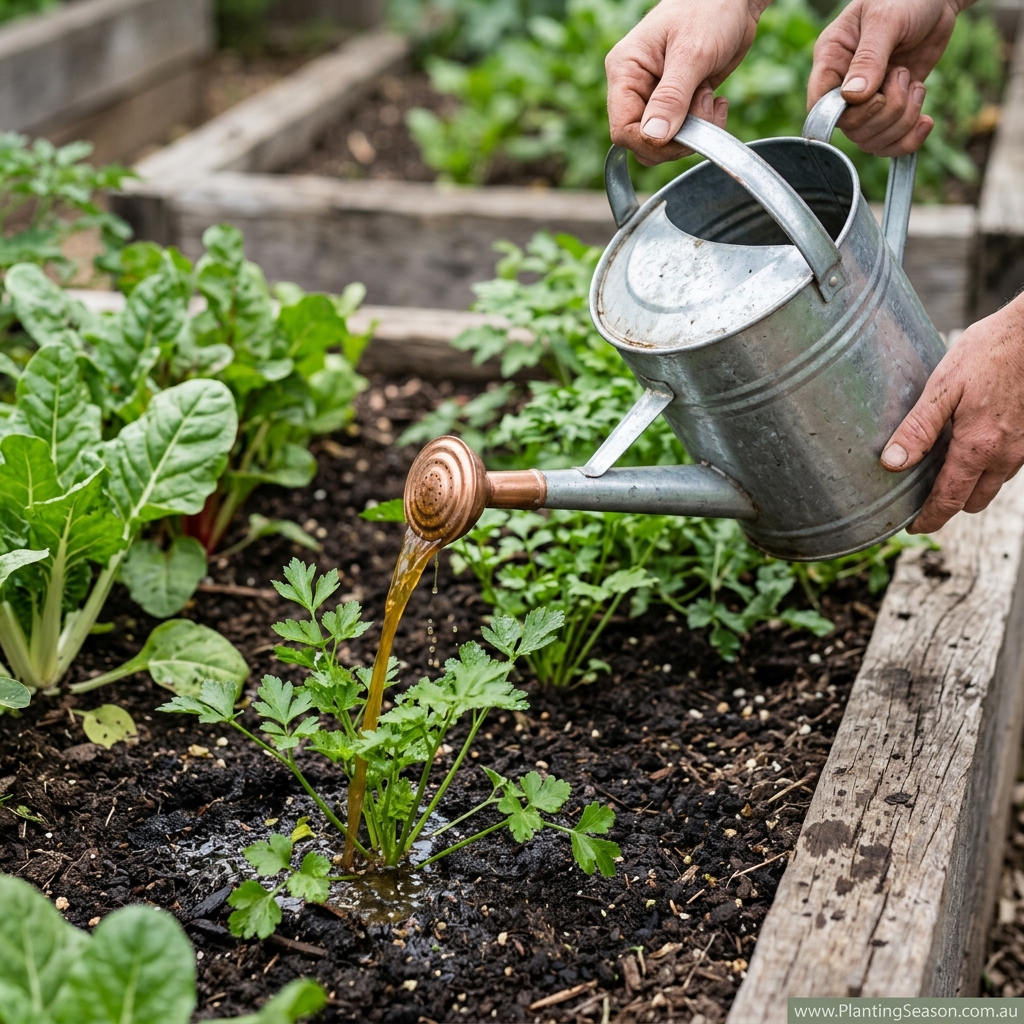
Solid feeds work slowly. For a faster lift during the growing season, liquid feeds are the answer. Seaweed and fish-based fertilisers are the organic gardener's go-to, easy to water on and gentle enough to use often.
A seaweed tonic in particular builds strong roots and helps plants shrug off stress from frost, heat, pests and disease. Watered on every week or two, it keeps leafy crops and fruiting plants ticking along through their hungry growth stages.
- Seaweed tonic builds roots and toughens plants against stress
- Fish fertiliser gives a nitrogen boost for leafy growth
- Worm tea from your worm farm is a free, mild all-rounder
- Apply liquid feeds every one to two weeks in the growing season
Feeding through the seasons
Match the feed to the plant. Leafy crops want nitrogen for growth, while fruiting plants like tomatoes need more potassium once they start to flower and set fruit. Hungry feeders such as brassicas and pumpkins appreciate richer soil to begin with.
Ease right off feeding over winter when growth slows, especially in the cold south, and pick it up again as things warm in spring. Steady, gentle feeding beats occasional heavy doses, which can burn plants and wash away in our heavy rain.
Frequently Asked Questions
What are the best organic fertilisers for a NZ garden?
Compost and sheep pellets to build the soil, plus seaweed and fish-based liquid feeds for a growing-season boost. Worm tea from a worm farm is another excellent free, gentle feed.
How often should I feed my vegetables?
Dig compost and sheep pellets in before planting, then top up sheep pellets every couple of months. Through the growing season, water on a seaweed or fish liquid feed every one to two weeks.
Can you over-fertilise organically?
Yes, even natural feeds can overdo it and push soft, sappy growth or burn roots. Steady, moderate feeding works better than heavy doses, and gentle feeds like seaweed and worm tea are hard to overdo.