
Fruit Fly and Keeping New Zealand Free of It
Updated June 2026
New Zealand has no established fruit fly, and that is worth protecting. Here is what it is, why it matters, and how gardeners help keep it out
Fruit fly is one of the most damaging fruit pests in the world, yet New Zealand does not have an established population of it. That is not luck. It is the result of a strong border, an ongoing surveillance programme, and gardeners and growers who take biosecurity seriously. Keeping fruit fly out protects backyard fruit trees, commercial orchards and the wider value of New Zealand produce, so this guide is about vigilance rather than spraying.
Below you will find what fruit fly is, why it is one of our most watched biosecurity threats, what happens when a single fly is found, and the practical things you can do. Use the tool to see how your role shifts from everyday vigilance to good garden practice, and to the steps that would matter if an incursion ever occurred.
Build your fruit fly response plan
In New Zealand the most important thing gardeners do is help keep fruit fly out. Pick the situation that fits you. The first option is where almost everyone should sit, and the others cover good practice and the knowledge that would matter in an incursion.
What is fruit fly?
The fruit flies that matter for biosecurity are tephritid fruit flies, very different from the harmless little flies in your kitchen. The females sting sound, ripening fruit and lay eggs just under the skin, and the maggots feed inside and ruin it.
- Queensland fruit fly (Bactrocera tryoni). A major pest across eastern and northern Australia and one of the exotic species New Zealand watches most closely. It is a reddish-brown fly about 7 mm long with yellow markings, a little larger than a house fly.
- Mediterranean fruit fly (Ceratitis capitata). Another high-risk species found in many warm parts of the world. It is smaller, with patterned, mottled wings and a more rounded body.
- Vinegar flies (the fruit bowl ones). The tiny flies hovering over bananas on the bench are vinegar flies. They feed on already-rotting fruit and do not sting sound fruit. They are a harmless nuisance, not the biosecurity pest, and need no action beyond clearing old fruit.
None of these tephritid fruit flies is established in New Zealand. The point of this guide is to keep it that way.
Why fruit fly is one of our top biosecurity threats
Exotic fruit flies are among the pests New Zealand most wants to keep out. An established population would attack a huge range of homegrown and commercial fruit, would be very hard and costly to remove, and could affect access to overseas markets that value our pest-free status. Because of that, fruit fly sits near the top of the watch list.
The threat is real but managed. Over the years there have been occasional finds, such as single flies detected in Auckland, and every one has triggered a rapid, well-rehearsed response. So far none has become established. That track record depends on catching any arrival early, which is exactly where gardeners come in.
The lifecycle, and why an incursion would spread fast
Understanding the cycle is why early detection matters so much. A female fruit fly stings ripening fruit and lays eggs just under the skin. Those eggs hatch into maggots that feed inside the fruit, turning it to rot from the inside. The maggots then drop to the soil, pupate, and emerge as new adults to start again.
In warm conditions the whole cycle can run in around four to five weeks, so a population can build very quickly once it gets going. Adults can also fly several hundred metres to find fruit. That is why a fast response to a single find, before flies can breed and spread, is the whole strategy, and why moving risk goods around is so dangerous.
What the damage looks like
Fruit fly damage is sneaky because the worst of it happens out of sight. If you ever see this in sound homegrown fruit, it is something to report, not just to bin.
- Sting marks. Small dimples or punctures on the skin where a female laid eggs, sometimes weeping a little.
- Premature drop and soft spots. Affected fruit colours early, goes soft and falls before it should.
- Maggots inside. Cut open a stung fruit and you find small white maggots and brown rot, while the outside can still look fine.
Because the fruit can look almost normal until you open it, anything unusual is worth a closer look and, if in doubt, a call to the biosecurity hotline.
How gardeners help keep fruit fly out
- Never import risk goods. Do not bring fruit, vegetables or plant material into New Zealand, and declare everything at the border.
- Do not move risk goods around. If a Controlled Area Notice is ever in place near you, do not move home-grown fruit or vegetables in or out of the zone.
- Stay alert. Glance at your fruit. Learn what a sting mark and a maggot look like so you would notice them.
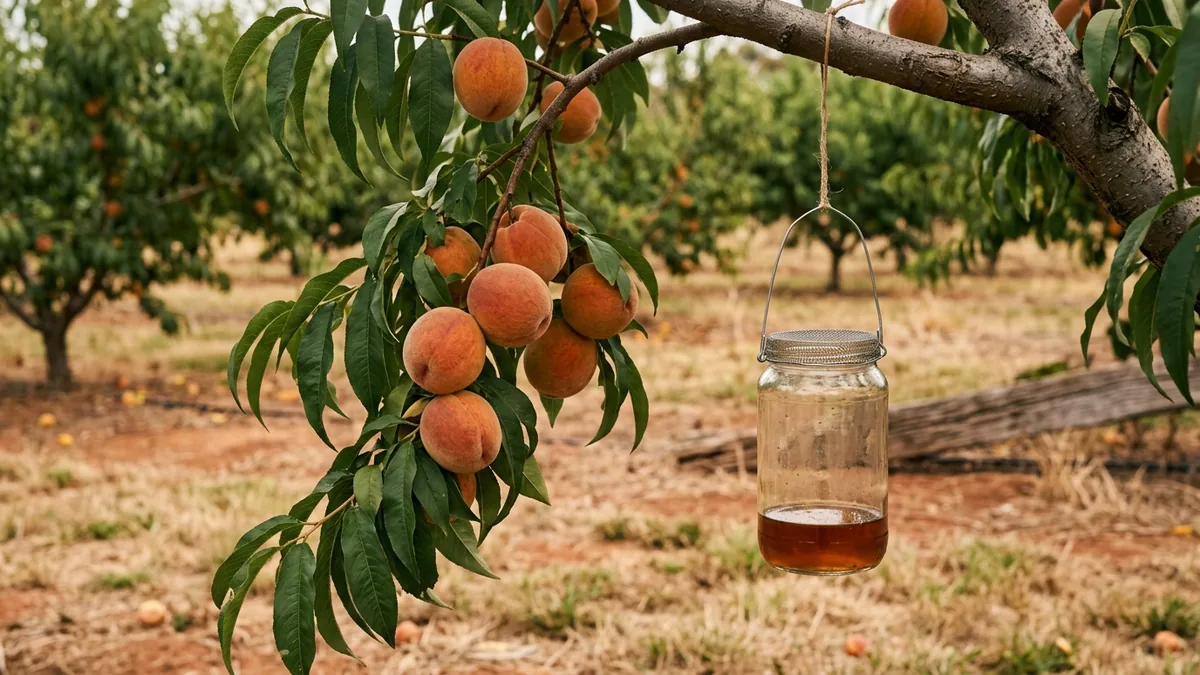
- Leave the surveillance traps alone. The traps hung in trees are doing their job. Do not move or tamper with them.
- Report fast. Call 0800 80 99 66 if you see anything suspicious. Early reporting is the single most valuable thing you can do.
- Keep good orchard hygiene. Clearing fallen and over-ripe fruit is good practice anyway, and would matter immediately in an incursion.
Susceptible plants
If fruit fly ever established here, it would attack a very wide range of fruit and fruiting vegetables. Knowing the at-risk hosts helps you understand the threat and stay alert. They include:
- Stone fruit: peaches, nectarines, apricots, plums, cherries.
- Pip fruit: apples and pears.
- Citrus: oranges, mandarins, lemons and more, especially when thin-skinned.
- Subtropical: feijoa, fig, persimmon, loquat, guava, passionfruit.
- Fruiting vegetables: tomatoes, capsicum and chilli are all hosts, which surprises many gardeners.
- Grapes and other soft fruit in warmer districts.
See our guides to tomatoes, grapes and apples for crop-specific growing advice.
If you ever suspect fruit fly
If you find an unfamiliar fly on your fruit, or cut into sound homegrown fruit and find maggots, do not move that fruit anywhere. Leave it where it is if you can, take a photo, and call the Ministry for Primary Industries Biosecurity hotline on 0800 80 99 66 straight away. Reporting early is exactly what keeps every find from becoming a problem, and it protects gardens and orchards across the whole country.
Grow well, and help guard what we have
The Planting Season app helps you plan and track your New Zealand garden, with a Plant Doctor to check what is happening with your crop, region-tuned timing, and guides like this one to keep you informed.
Open the App →Frequently Asked Questions
Does New Zealand have fruit fly?
No. New Zealand has no established population of fruit fly, which is a genuine biosecurity success and one of the reasons our fruit and vegetables are valued at home and overseas. Over the years there have been occasional single-fly finds, for example in Auckland, but each one has triggered a rapid response and none has become established. The goal is to keep it that way by stopping fruit fly arriving and breeding here in the first place.
Which fruit flies threaten New Zealand?
Queensland fruit fly (Bactrocera tryoni) and Mediterranean fruit fly (Ceratitis capitata) are among the exotic fruit flies most watched at our border, along with other tephritid species. They attack a very wide range of fruit and fruiting vegetables, so an established population would be serious for home gardens and growers alike. The tiny vinegar flies around your fruit bowl are a different, harmless insect and are not the biosecurity threat.
What is the single most important thing I can do?
Biosecurity vigilance. Never bring fruit, vegetables or plant material into New Zealand, and declare everything at the border. Do not move risk goods around, and report anything suspicious. If you see an unfamiliar fly on your fruit, or maggots inside sound fruit, call the Ministry for Primary Industries Biosecurity hotline on 0800 80 99 66. Catching an incursion early is what keeps the whole country protected.
What does fruit fly damage look like?
A female fruit fly stings ripening fruit and lays eggs just under the skin, leaving a small dimple or puncture that may weep. The eggs hatch into small white maggots that feed inside, turning the fruit to brown rot from the inside out, often while the outside still looks almost normal. Affected fruit may colour early and drop. If you ever cut into sound homegrown fruit and find maggots, treat it as something to report, not just bin.
Why can I not bring fruit into New Zealand?
Fruit, vegetables and plant material can carry fruit fly eggs and maggots hidden inside, so a single piece of fruit in a bag or parcel is enough to start an incursion. That is why New Zealand has strict rules on what you can bring across the border, and why you must declare any food and plant material when you arrive. Declaring is free and easy. Not declaring risks fines and, far worse, risks introducing a pest that would harm gardens and orchards nationwide.
What happens during a fruit fly find?
When a fruit fly is detected, the Ministry for Primary Industries responds quickly. This usually includes putting up extra traps to find out whether more flies are present, and putting a Controlled Area Notice over the surrounding zone that restricts moving fruit and vegetables in and out while the area is checked. Residents in the zone are asked to follow the rules and not move home-grown produce. These steps have so far stopped every find from becoming established.
Do the traps in my street mean there is fruit fly here?
No. The fruit fly traps you may see hanging in trees are part of a routine national surveillance programme that runs all the time, in many places, precisely so that any incursion is caught early. A trap in your neighbourhood is normal monitoring, not a sign that fruit fly is present. Leave the traps alone, and if you have concerns or see something unusual, call the biosecurity hotline.
What garden habits help even though we have no fruit fly?
Good orchard hygiene is worth doing anyway and would matter immediately if an incursion ever occurred. Pick up fallen and over-ripe fruit, do not leave unwanted fruit rotting on the tree or ground, and keep an eye on what is happening in your fruit. Knowing how netting, exclusion bags, traps and hygiene work means you, and the whole street, could respond fast and effectively if the rules ever asked you to. It is transferable knowledge that protects everyone.
See also: Pest and Disease Guide and How to Grow Tomatoes