How to Grow Blackcurrants in New Zealand
Updated September 2026
An easy, heavy cropping berry bush for a cold winter

Blackcurrants are very well suited to New Zealand and widely grown here. A bush grows 1 to 1.8 metres tall, starts cropping in its second summer, and gives bunches of sharp, dark berries that are rich in vitamin C and full of flavour once cooked.
They are one of the easiest fruits to grow. Give a blackcurrant rich, moist soil, feed it in spring, and cut out a share of the oldest stems every winter.
Where Blackcurrants Grow in New Zealand
Blackcurrants need a cold winter to fruit, and they grow well from Auckland south: in Waikato and the Bay of Plenty, the Central North Island, Wellington and the lower North Island, Nelson and Marlborough, Canterbury, Otago and Southland and Central Otago. The cooler regions suit them best. In warmer northern gardens, give them a spot with afternoon shade.
Northland is not suited, because its winters are too mild to give blackcurrants the chill they need to fruit. In every other region plant bare root bushes in winter, June to August. Choose your region below for local planting months.
Varieties to Look For
Ben Lomond
A reliable, heavy cropping Scottish variety that flowers late, which helps the blossom miss spring frosts.
Ben Sarek
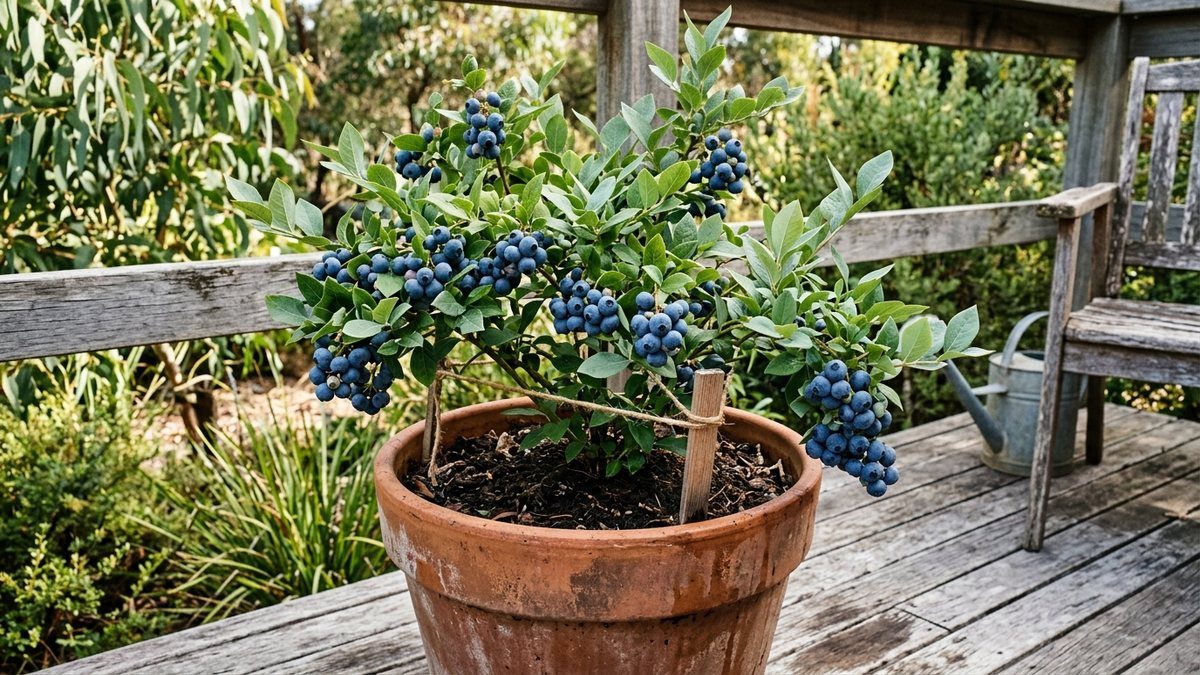
A compact bush with large berries, a good choice for a small garden or a large pot.
Magnus
A vigorous, upright variety with large berries.
Planting
Plant bare root bushes in winter, June to August. Blackcurrants grow in full sun or part shade in rich, moist, well drained soil with a pH of about 6 to 6.8. Dig in plenty of compost before planting.
- Space bushes about 1.5 metres apart.
- Plant a little deeper than the bush grew in the nursery, so the base of the stems sits about 5 centimetres below the soil. This encourages new shoots from below ground.
- After planting, cut every stem back to two buds above the soil. You give up a crop in the first summer but get a much stronger bush.
- Water in and mulch with compost.
- In a pot, use one at least 40 centimetres wide filled with a rich potting mix.
Care and Pollination
Pollination. Blackcurrants are largely self fertile, so a single bush crops. Bees and wind pollinate the early spring flowers, and planting two varieties side by side often improves the set. Frost at flowering can cause the young berries to drop, so avoid frost hollows.
Watering and feeding. Keep the soil moist, especially while the berries swell in late spring and early summer. Feed in early spring with compost or a balanced fertiliser, and top up the mulch.
Pruning. Blackcurrants fruit best on stems one and two years old. Each winter, cut about a quarter to a third of the oldest, darkest stems right down to the ground, along with any weak or low branches. Leave the strong, pale young stems, which carry next summer's crop.
Pests and Diseases
- Currant clearwing moth: The caterpillar bores down the centre of stems, which wilt and die back. Cut out affected stems below the tunnel in winter and burn or bin them.
- Aphids: Curl and blister young leaves in spring. Squash small colonies or spray with a soap spray.
- Leafroller caterpillars: Roll leaves together with silk and graze the fruit. Pick off rolled leaves.
- Powdery mildew: White powder on leaves and shoot tips in humid summers. Prune for airflow and avoid watering over the leaves.
- Birds: Strip ripe berries quickly. Net bushes as the fruit colours.
Harvest and Storage
Blackcurrants ripen in summer, usually December and January. Pick whole bunches, called strigs, once all the berries are black and glossy, and strip them off with a fork in the kitchen.
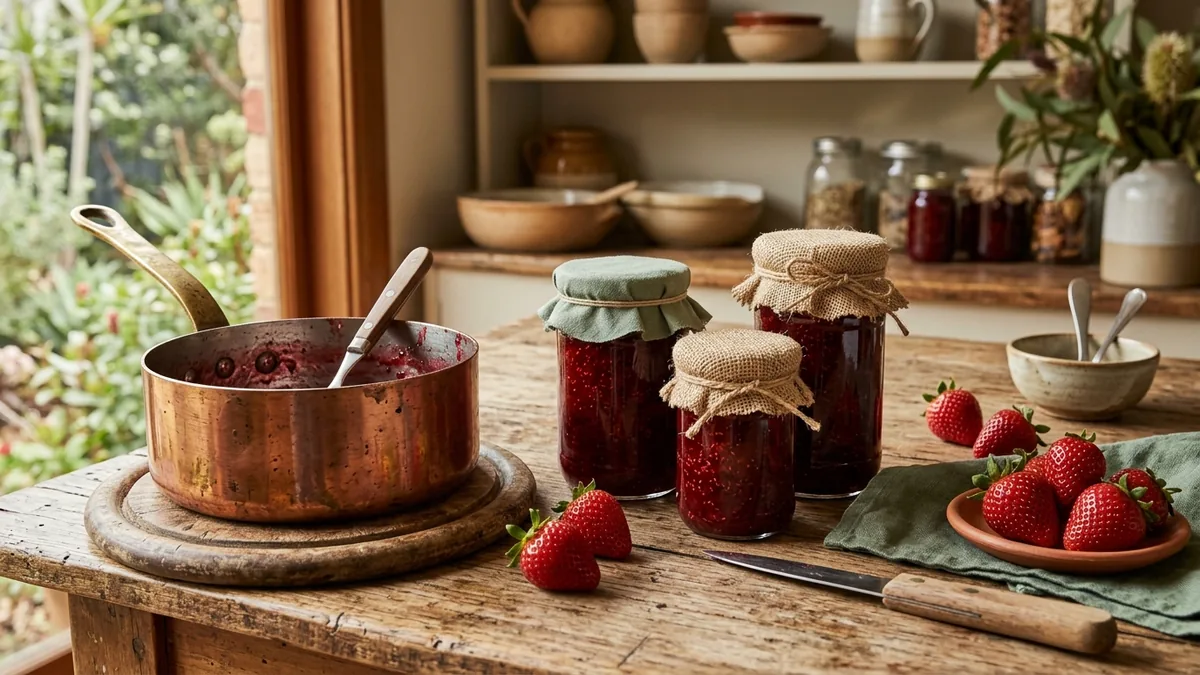
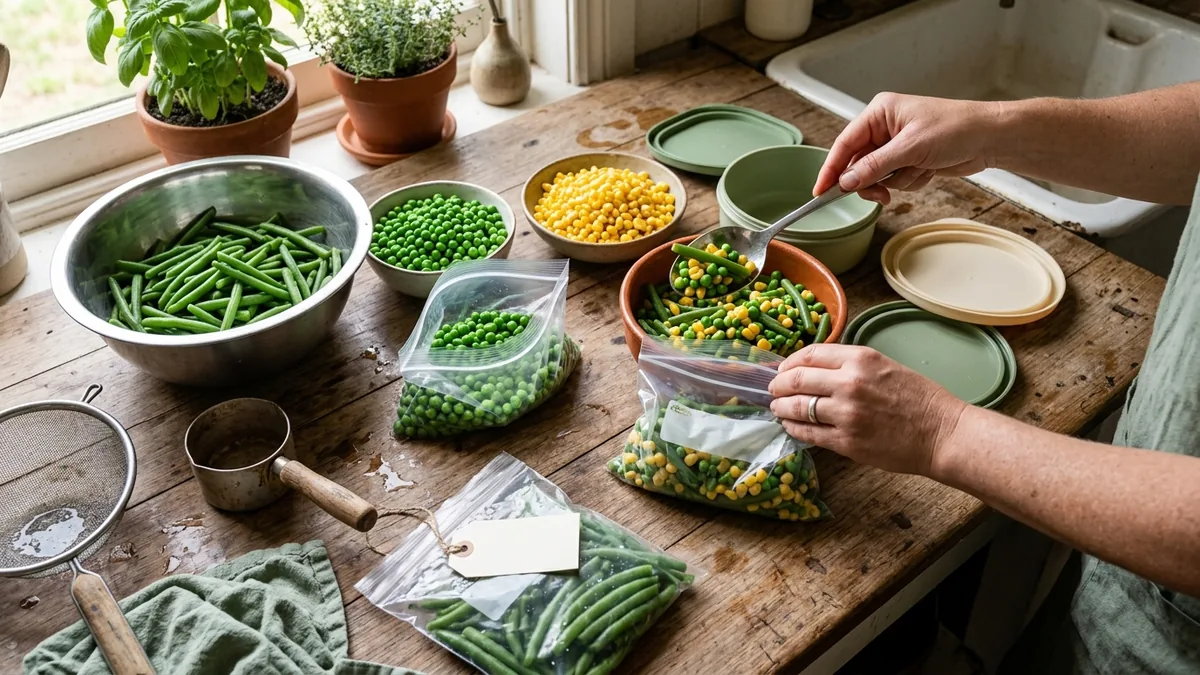
Fresh berries keep only a few days in the fridge, but blackcurrants freeze brilliantly and can go straight from the freezer into jam, cordial, pies and smoothies. See our guide to freezing the harvest.
Track Your Blackcurrants
Add blackcurrants to your garden in the Planting Season app and get reminders for pruning, feeding and harvest.
Open the App →Frequently Asked Questions
How do you prune blackcurrants?
Prune in winter. Cut about a quarter to a third of the oldest, darkest stems down to the ground, and remove weak or low branches. Keep the strong young stems, because blackcurrants fruit best on wood one and two years old.
Can I grow blackcurrants in Northland?
Blackcurrants are not suited to Northland, where winters are too mild to give them the chill they need to fruit. They grow well in every other region, especially the cooler south.
When do blackcurrants ripen in New Zealand?
Blackcurrants ripen in summer, usually December and January. Pick whole bunches once every berry is black and glossy.
Do blackcurrants grow in shade?
Blackcurrants grow in part shade, and afternoon shade helps in warmer northern gardens. They crop most heavily in a sunny spot with moist, rich soil.
See also: Blackcurrants in the Plant Library