How to Grow Chestnuts in New Zealand
Updated September 2026
A big, generous nut tree for acid soil and room to spread

Sweet chestnuts are large, handsome trees that drop glossy brown nuts inside spiny burrs every autumn. Unlike most nuts they are low in fat and starchy, closer to a kumara than an almond in the kitchen, and they are best roasted, boiled or ground into flour.
A chestnut needs space, acid soil and a second tree for pollination. It also needs patience, taking about five years to crop. Once established it is tough and long lived, and very little bothers it.
Where Chestnuts Grow in New Zealand
Chestnuts can be planted in every region of New Zealand, from Northland to Otago, Southland and Central Otago. They do especially well in cooler districts with acid soil. The trees are frost hardy once established, but a late spring frost can scorch new growth on young trees, so avoid the lowest frost hollow on your property.
Soil matters more than region. Chestnuts want acid, free draining soil and fail in wet, heavy or limy ground. Plant bare root trees in winter, June to August. Choose your region below for local planting months.
Varieties to Look For
Grafted trees of named varieties crop sooner and more evenly than seedlings. If you plant seedlings, plant at least two.
Bouche de Betizac
A French hybrid with large, glossy nuts that peel easily. It produces little or no pollen of its own, so it must be planted with another variety.
Marigoule
Another French hybrid with large nuts and good vigour. A useful partner for Bouche de Betizac.
Seedling trees
Cheaper and very hardy. Nut size and quality vary from tree to tree, and they take longer to crop than grafted trees.
Planting
Plant in winter, June to August, in full sun. Chestnuts need acid soil with a pH of about 5.5 to 6.5 and good drainage. If your soil is limy, or water lies after rain, choose a different tree.
- Allow about 10 metres between trees. A chestnut grows 8 to 20 metres tall with a wide, spreading crown.
- Plant at least two trees, within reasonable distance of each other, for pollination.
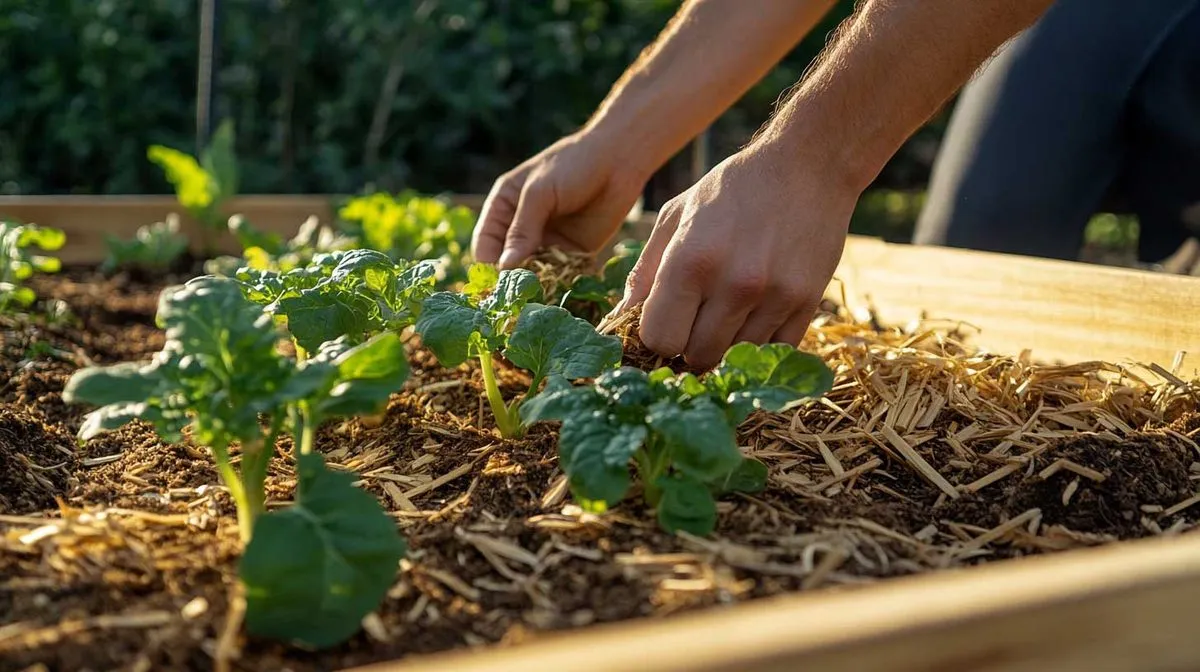
- Set the tree at its nursery depth, water in well and mulch with bark or wood chip, which suits acid loving roots.
- Protect young trunks from rabbits, hares and stock with a guard.
Care and Pollination
Pollination. Chestnuts flower in early summer, with long, creamy catkins that have a strong scent. The flowers are pollinated by wind and insects, but most chestnuts cannot set nuts with their own pollen. Plant two different varieties, or two seedlings, so they cross pollinate.
Watering. Water young trees deeply through dry summers for their first three years. Established trees cope with dry spells, although a dry late summer gives smaller nuts.
Feeding. A mulch of compost or bark each spring is usually enough. Avoid lime and high nitrogen fertilisers.
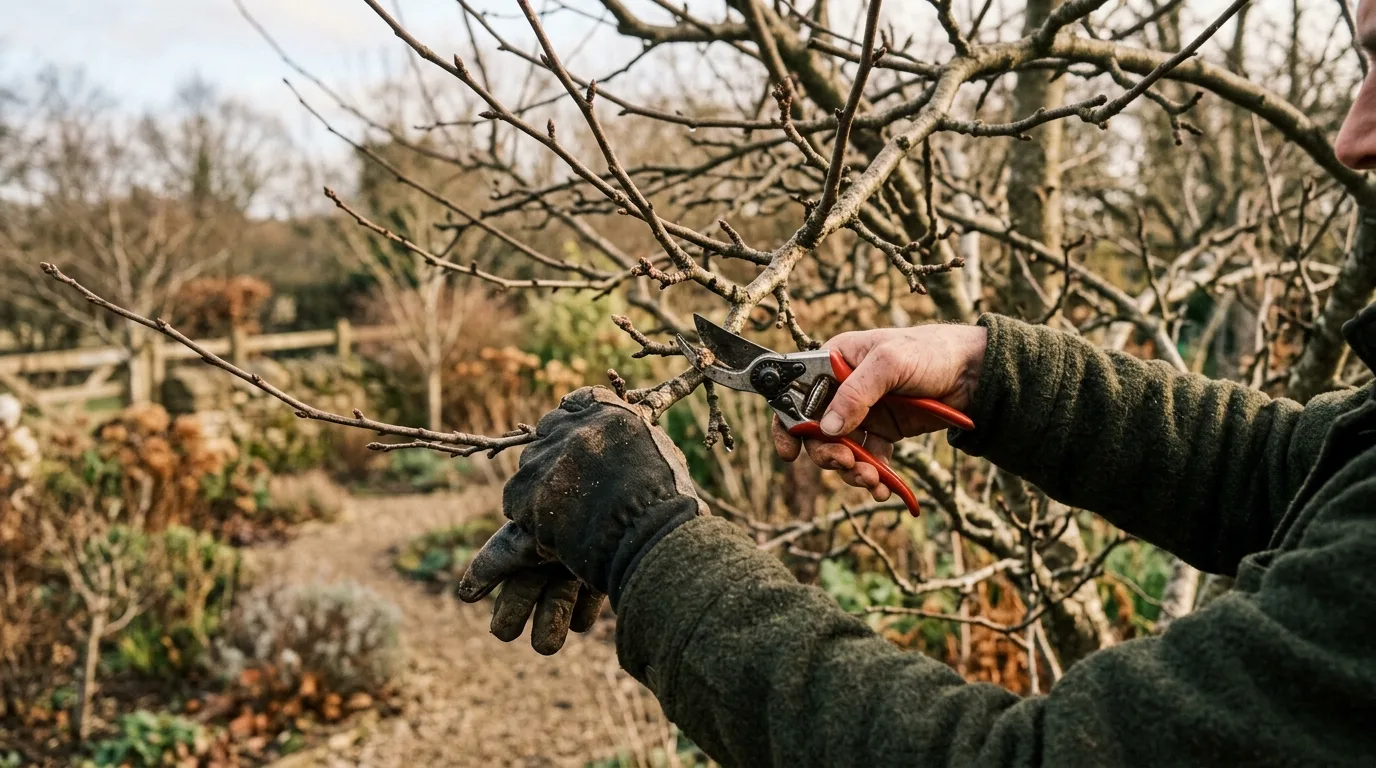
Pruning. Train a young tree to a single trunk with well spaced branches, pruning in winter while it is dormant. Mature chestnuts need little more than the removal of dead or damaged limbs.
Pests and Diseases
- Root rot: The main killer of chestnuts. Phytophthora in wet, poorly drained soil causes wilting, thin canopies and dieback. Plant only in free draining ground.
- Possums and rats: Both eat fallen nuts, and possums browse young shoots. Collect nuts daily and fit trunk collars.
- Birds: Take nuts from split burrs, on the tree and on the ground. Harvesting promptly limits losses.
Harvest and Storage
Chestnuts ripen in autumn. The burrs turn brown and split, and the nuts fall. Collect them every day, wearing thick gloves, and roll unopened burrs underfoot to free the nuts inside.
Fresh chestnuts are moist and perishable, more like fruit than a dry nut. Store them in a paper or perforated bag in the fridge, where they keep for a few weeks. For longer storage, freeze them or dry and grind them into flour. Always cut a slit in the shell before roasting, or the steam inside will make them burst.
Track Your Chestnut Trees
Add chestnuts to your garden in the Planting Season app and get reminders for mulching, pest checks and harvest.
Open the App →Frequently Asked Questions
Do I need two chestnut trees?
Yes. Most chestnuts cannot set nuts with their own pollen, and some varieties, such as Bouche de Betizac, produce almost none. Plant two different varieties, or two seedlings, for a crop.
How long does a chestnut tree take to produce nuts?
A grafted chestnut usually starts cropping in about five years. Seedling trees often take longer.
What soil do chestnuts need?
Chestnuts need acid, free draining soil with a pH of about 5.5 to 6.5. They fail in limy soil and in wet ground, where root rot kills them.
How do I store fresh chestnuts?
Fresh chestnuts spoil quickly at room temperature. Keep them in a paper or perforated bag in the fridge for a few weeks, or freeze or dry them for longer storage.
See also: Sweet chestnuts in the Plant Library