
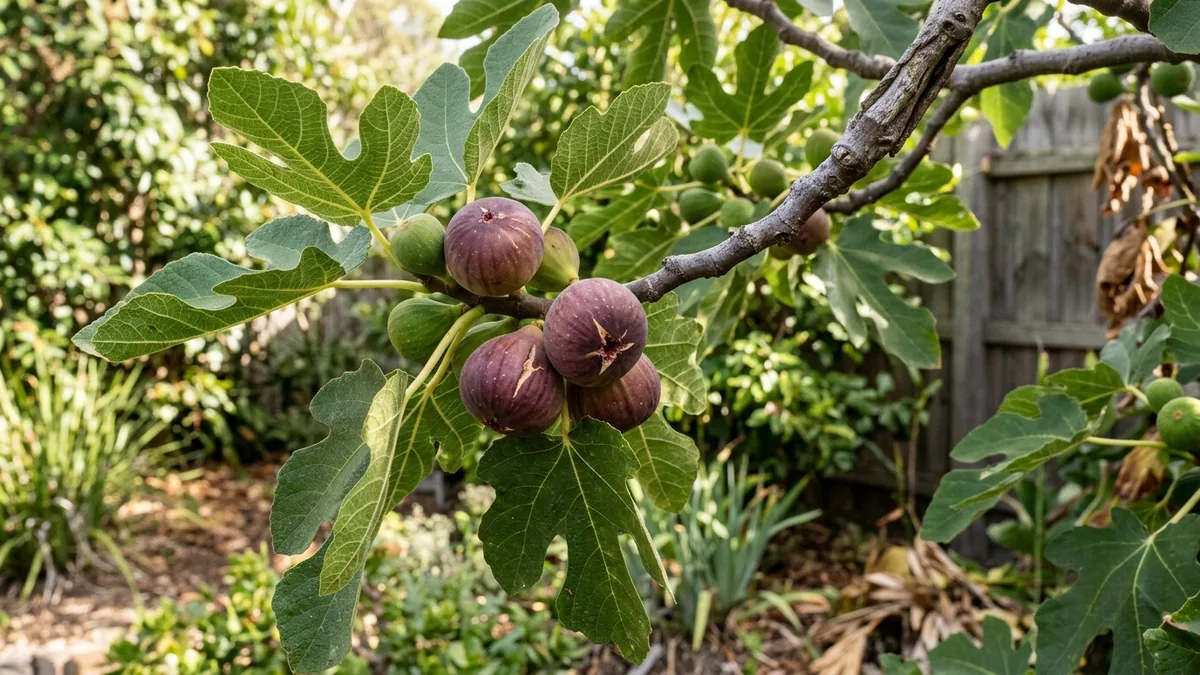
How to Grow Figs in New Zealand
Updated June 2026
Container growing, two crops a year, and variety picks for the warm north and the cooler south
Figs are one of the most rewarding and forgiving fruit trees you can grow in New Zealand. They cope with poor soil, drought and a fair bit of neglect, and a well-placed tree will crop for decades. They also grow brilliantly in large pots, since restricting the roots actually encourages fruiting, which makes them possible on a courtyard or deck.
Figs do especially well in New Zealand's warmer north, but with the right spot they also crop in the south. They are frost-hardy once fully dormant, yet they ripen best with a long, warm summer, so in cooler districts a hot, sheltered, sun-facing wall makes all the difference. Use the selector below to see what suits your climate, then read on for planting, feeding, pruning and harvest.
Fig climate suitability selector
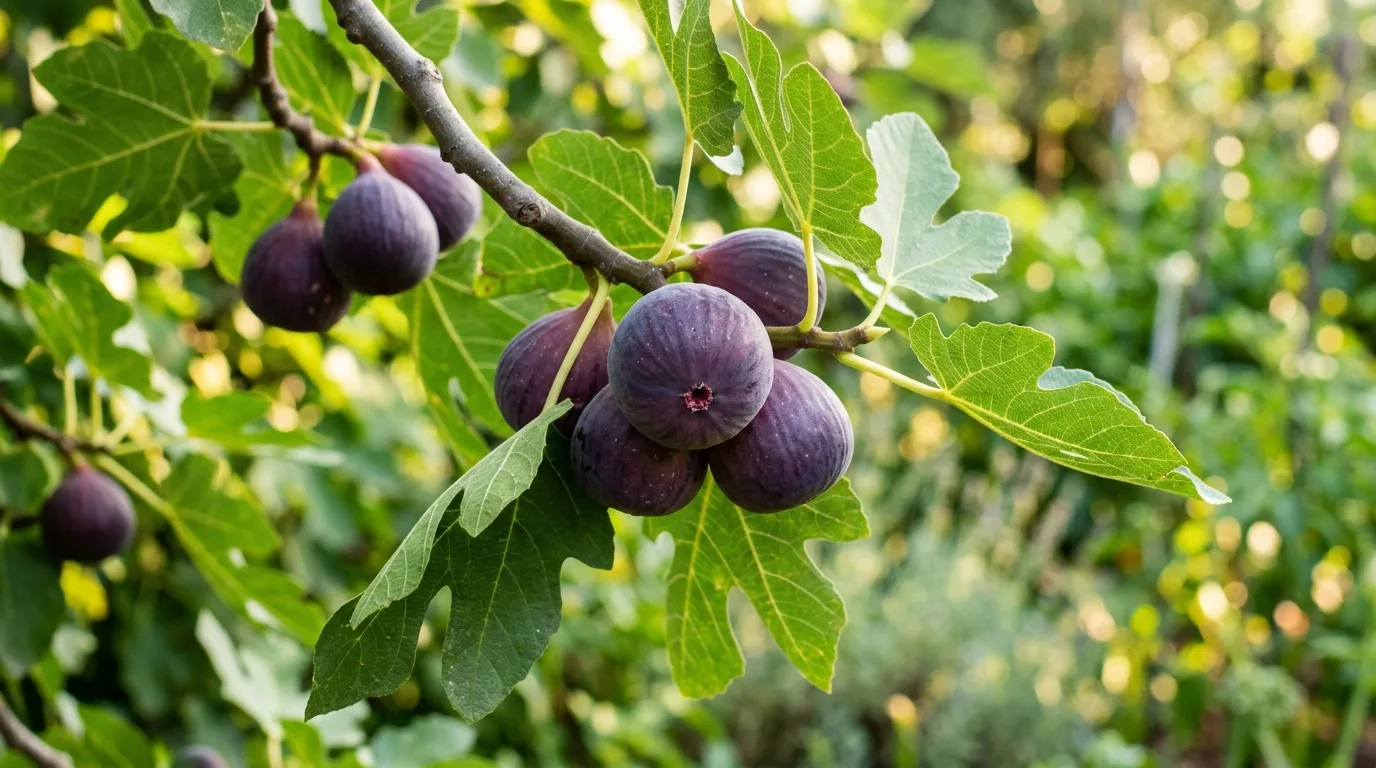
Climate and Position
Figs crop best in a warm, sheltered, sunny position with at least six to eight hours of direct sun. Heat ripens the fruit and builds sugar, so in cooler regions a north-facing, sun-facing wall or fence is ideal because the reflected warmth lengthens the season. Avoid deep shade, wind tunnels and frost pockets. Established figs are frost-hardy when fully dormant and take light frost, but young trees, potted figs and the autumn crop are frost-sensitive, so in the south a pot you can move is the safest option.
Planting
In the ground: plant bare-root figs in winter while dormant, or container-grown figs in autumn or spring. Dig a hole twice the width of the rootball, set the tree at the depth it grew at, backfill with the native soil and water in well. Figs are not fussy about soil as long as it drains freely. Wet feet is the one thing they will not tolerate. Mulch the root zone, keeping mulch off the trunk.
In pots: use a pot at least 50 cm wide and deep with good drainage, and a quality free-draining potting mix. Full sun is essential. Root restriction keeps the tree compact and brings on fruiting, which is exactly what you want, and it lets you shelter the tree over winter in cooler regions. Repot or root-prune every two to three years in winter.
Watering and Feeding
In the ground, water figs deeply but infrequently to push roots down. Once established they are very drought-tolerant, though even watering near harvest helps prevent fruit splitting. Go easy on nitrogen. Too much gives you a big leafy tree with little fruit. Feed in spring with a balanced or low-nitrogen fertiliser and add potassium (sulphate of potash) to support fruiting and ripening.
Potted figs are hungrier and thirstier because they cannot reach for water and nutrients. Water whenever the top few centimetres of mix dries out, often daily in summer, and feed monthly with a liquid fertiliser from spring through autumn.
Pruning
Prune in winter while the tree is dormant. Aim for an open vase shape that lets light and air into the canopy, which improves ripening and reduces disease. Figs fruit in two places: the breba crop forms on last year's wood, and the larger main crop forms on the current season's new growth. If you want the early breba crop, do not over-prune, because heavy winter pruning removes the wood that carries it. Remove dead, crossing and inward branches, tip-prune to encourage new fruiting wood, and cut back hard only if a tree has outgrown its space.
Harvest and Storage
Figs do not ripen further once picked, so harvest only when fully ripe. A ripe fig is soft to the touch, hangs down with a bending neck, and often shows a drop of nectar at the eye. Pick gently, ideally with a snip of stem, and handle carefully because ripe figs bruise easily. In warmer areas you may get two crops: an early summer breba crop and a heavier late summer to autumn main crop.
Fresh figs keep only a couple of days. Do not refrigerate them for long, as the cold dulls the flavour and texture. For longer storage, freeze them whole or dry them, both of which figs do beautifully.
Pests and Problems
- Birds: birds will strip ripe figs fast. Netting the tree, or netting individual branches on a large tree, is the only reliable fix.
- Fig rust: brown spots and premature leaf drop in humid areas. Rake up and bin fallen leaves, and keep the canopy open for airflow. Trees usually recover the next season.
- Scale: sap-sucking insects on stems and leaves. Wipe off light infestations or treat with horticultural oil.
- Root-knot nematode: stunts trees in sandy soils. Build up organic matter, mulch well, and grow in pots in problem ground.
- Fruit splitting: heavy rain or uneven watering near harvest splits ripening fruit. Even watering and good drainage reduce it.
Best Fig Varieties for New Zealand
| Variety | Skin & flesh | Best climate | Notes |
|---|---|---|---|
| Brown Turkey | Brown skin, amber flesh | Cool to cold | The most cold-hardy variety and the safest bet for the south. Reliable and productive. |
| Black Genoa | Dark purple skin, deep red flesh | Warm temperate to subtropical | Large, rich and sweet, very productive. Excellent in the warm north. |
| White Adriatic | Green skin, strawberry-red flesh | Warm, sunny districts | Exceptionally sweet and excellent for drying. Loves a hot spot. |
| Mrs Williams | Green-brown skin, pale sweet flesh | Warm temperate | A well-known New Zealand garden fig. Heavy cropper with good flavour. |
Region and Season Note
Across most of New Zealand, plant bare-root figs in winter while dormant. Figs are at their best in the warm north, where two crops are common, while in cooler and southern districts the main autumn crop is the reliable one and a sheltered sun-facing wall greatly improves ripening.
Track your fig growing
Add figs to your garden in the Planting Season app and get reminders for pruning, feeding and harvest time, tuned to your region.
Open the App →Frequently Asked Questions
When should I plant figs in New Zealand?
Plant bare-root figs in winter (June to August) while they are dormant. Container-grown figs can go in during autumn or spring. Figs grow across most of New Zealand and do especially well in the warmer north.
Can I grow figs in pots?
Yes, figs are one of the best fruit trees for pots. Restricting the roots increases fruiting and keeps the tree compact. Use a pot at least 50 cm wide and deep, a free-draining mix, water regularly and feed monthly through the growing season. Pots also let you shelter the tree over winter in cooler regions.
Do fig trees need a pollinator?
No. Common fig varieties such as Brown Turkey, Black Genoa and White Adriatic are self-fertile and set fruit on their own. They do not need a caprifig or a second tree.
Can I grow figs in the cooler South Island?
Yes, with the right spot. Give figs a hot, sheltered, sun-facing wall in places like Canterbury, Central Otago and Southland, or grow them in a pot you can shelter over winter. Choose Brown Turkey, the most cold-hardy variety, and accept that the early breba crop may not always ripen.
Why is my fig tree not fruiting?
The usual cause is too much nitrogen, which drives leaves at the expense of fruit. Avoid high-nitrogen lawn fertiliser near the tree, feed with a low-nitrogen potassium-rich fertiliser, and make sure it gets full sun. Very young or heavily pruned trees also fruit poorly until they settle.
Do figs crop twice a year?
In warmer areas many varieties carry two crops. The breba crop forms in early summer on last year's wood, and the main crop forms in late summer to autumn on the current season's growth. In cooler regions the breba crop may not ripen, so the main crop is the reliable one.
How long until a fig tree fruits?
A fig planted from a container or bare-root stock usually fruits in 1 to 2 years, with full production by 3 to 5 years. Container-grown figs often fruit in their first season because the restricted roots push the plant to fruit.
Related Guides
See also: Figs in the Plant Library