How to Grow Gooseberries in New Zealand
Updated September 2026
A thorny little bush with two harvests, one for cooking and one for eating

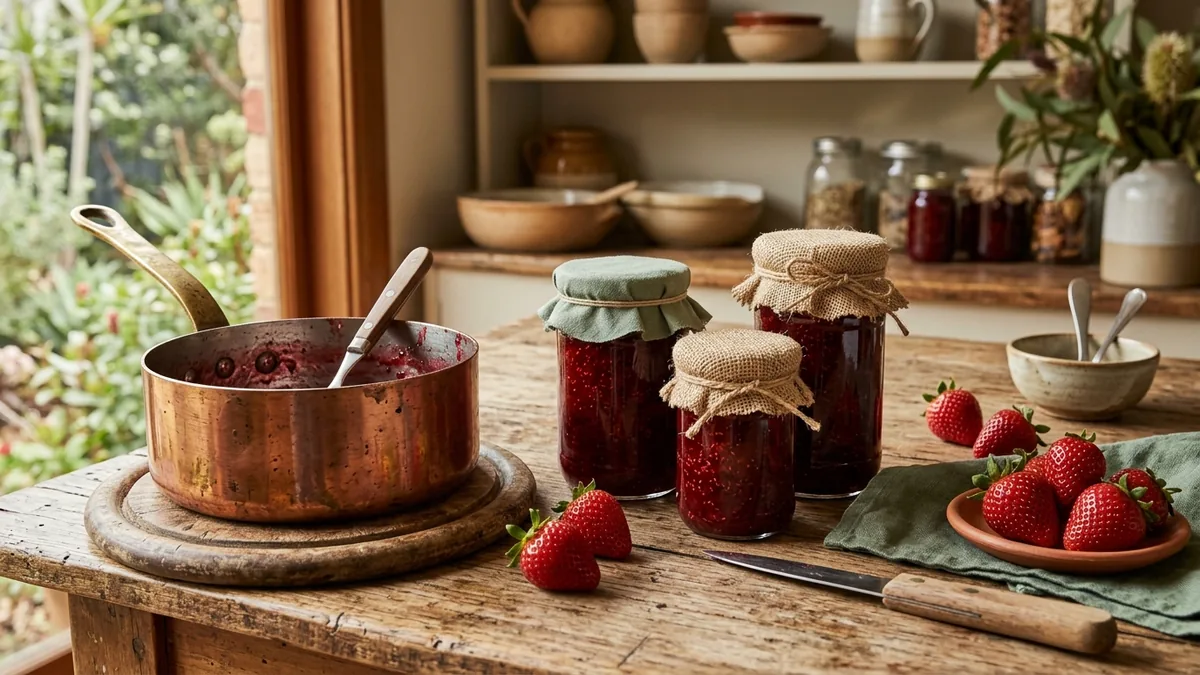
Gooseberries are hard to find in shops, yet a single bush gives plenty. The berries can be picked green and sharp for crumbles, jam and sauces, or left to ripen until they turn soft and sweet enough to eat fresh. Some varieties ripen red, others stay green or turn yellow.
The bush grows 1 to 1.5 metres tall and is thorny, so it pays to prune it open. That also lets air through, which is the best defence against powdery mildew, the gooseberry's main problem.
Where Gooseberries Grow in New Zealand
Gooseberries need a cold winter to crop well and grow best in cooler New Zealand gardens. They can be grown in Auckland, Waikato and the Bay of Plenty, the Central North Island, Wellington and the lower North Island, Nelson and Marlborough, Canterbury, Otago and Southland and Central Otago. In warmer areas give them part shade and a spot with good airflow.
Northland is not suited. Its winters are too mild for a good crop, and the humidity lets mildew take over. In every other region plant bare root bushes in winter, June to August. Choose your region below for local planting months.
Varieties to Look For
Invicta
A heavy cropping green gooseberry with good resistance to powdery mildew. Excellent for cooking.
Hinnonmaki Red
A hardy Finnish variety with red fruit that is sweet when fully ripe, and good mildew resistance.
Captivator
A red fruited variety with very few thorns, which makes picking and pruning far easier.
Planting
Plant bare root bushes in winter, June to August. Gooseberries grow in sun or part shade in moist, well drained soil with a pH of about 6 to 6.8. Dig in compost first.
- Space bushes about 1.5 metres apart.
- Plant on a short clear stem, or leg, at the depth the bush grew in the nursery. A clear leg keeps the fruit off the ground and makes weeding easier.
- Shorten the main branches by about half after planting.
- Water in and mulch, keeping mulch clear of the stem.
- Choose an open site rather than a sheltered, still corner, where mildew thrives.
- In a pot, use one at least 40 centimetres wide.
Care and Pollination
Pollination. Gooseberries are self fertile, so one bush crops on its own. Bees pollinate the small, drooping spring flowers.
Watering and feeding. Water through dry spells while the fruit swells. Feed in early spring with compost or a balanced fertiliser. Avoid heavy nitrogen feeding, which produces soft growth that mildew attacks.
Pruning. Prune in winter, wearing thick gloves. Keep an open goblet of main branches with the centre clear. Shorten side shoots to a couple of buds, as the fruit forms on older wood and spurs, and remove low branches that touch the ground and any crowded or crossing growth. A light trim of the new shoot tips in early summer also opens the bush and removes mildew infected tips.
Pests and Diseases
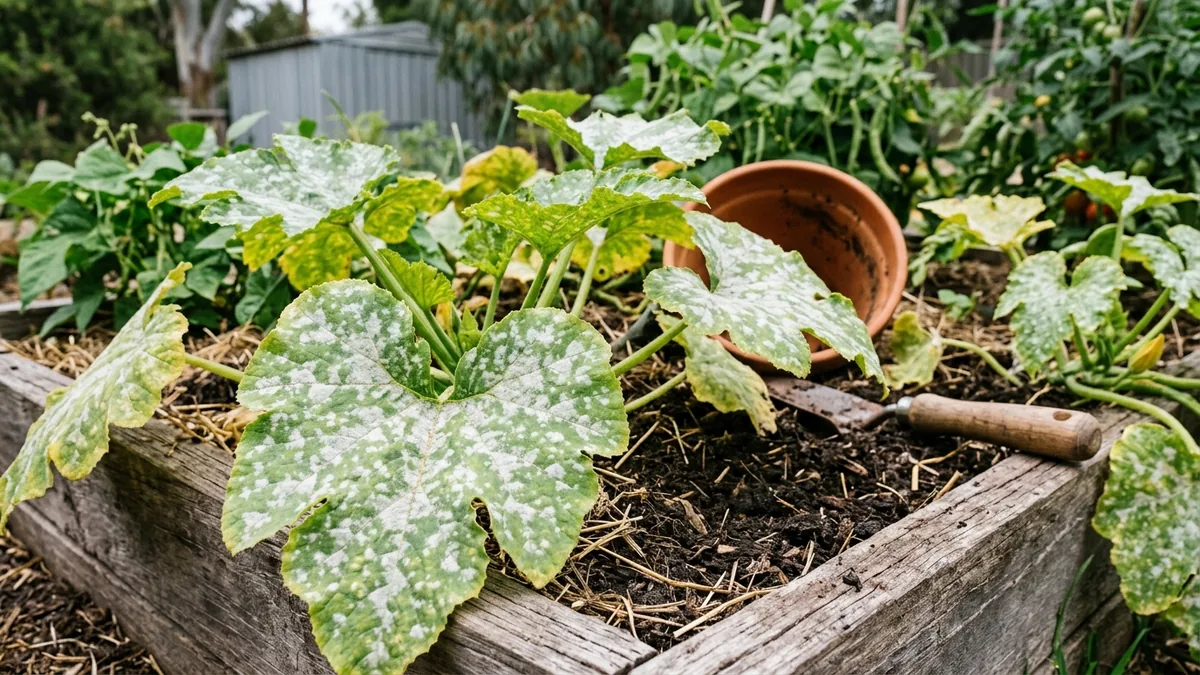
- Powdery mildew: The main problem. A white, felty coating on shoot tips, leaves and berries, which later turns brown. Grow a resistant variety, prune for airflow, avoid watering over the leaves and cut off infected tips.
- Leaf spot: Brown spots and early leaf fall in wet summers. Clear fallen leaves in autumn.
- Aphids: Curl young leaves in spring. Squash or hose them off.
- Birds: Take ripening fruit. Net bushes as the berries soften and colour.
Harvest and Storage
Gooseberries give two harvests from the same bush. In late spring, around November, pick about half the crop while the berries are still green and hard. These are for cooking. Thinning the bush this way lets the remaining berries grow bigger, and they ripen in December and January, turning soft and sweet, ready to eat fresh.
Gooseberries keep up to a week in the fridge and freeze well. Top and tail them before freezing.
Track Your Gooseberries
Add gooseberries to your garden in the Planting Season app and get reminders for pruning, mildew checks and harvest.
Open the App →Frequently Asked Questions
How do I stop mildew on gooseberries?
Grow a resistant variety such as Invicta or Hinnonmaki Red, prune the bush open so air moves through it, avoid watering over the leaves, go easy on nitrogen and cut off infected shoot tips.
When are gooseberries ready to pick?
Pick about half the crop green in late spring, around November, for cooking. Leave the rest to ripen in December and January, when the berries turn soft and sweet.
Can I grow gooseberries in Northland?
Gooseberries are not suited to Northland. Winters are too mild for them to crop well, and the humidity lets mildew take over. They grow in every other region.
Is a gooseberry the same as a Cape gooseberry?
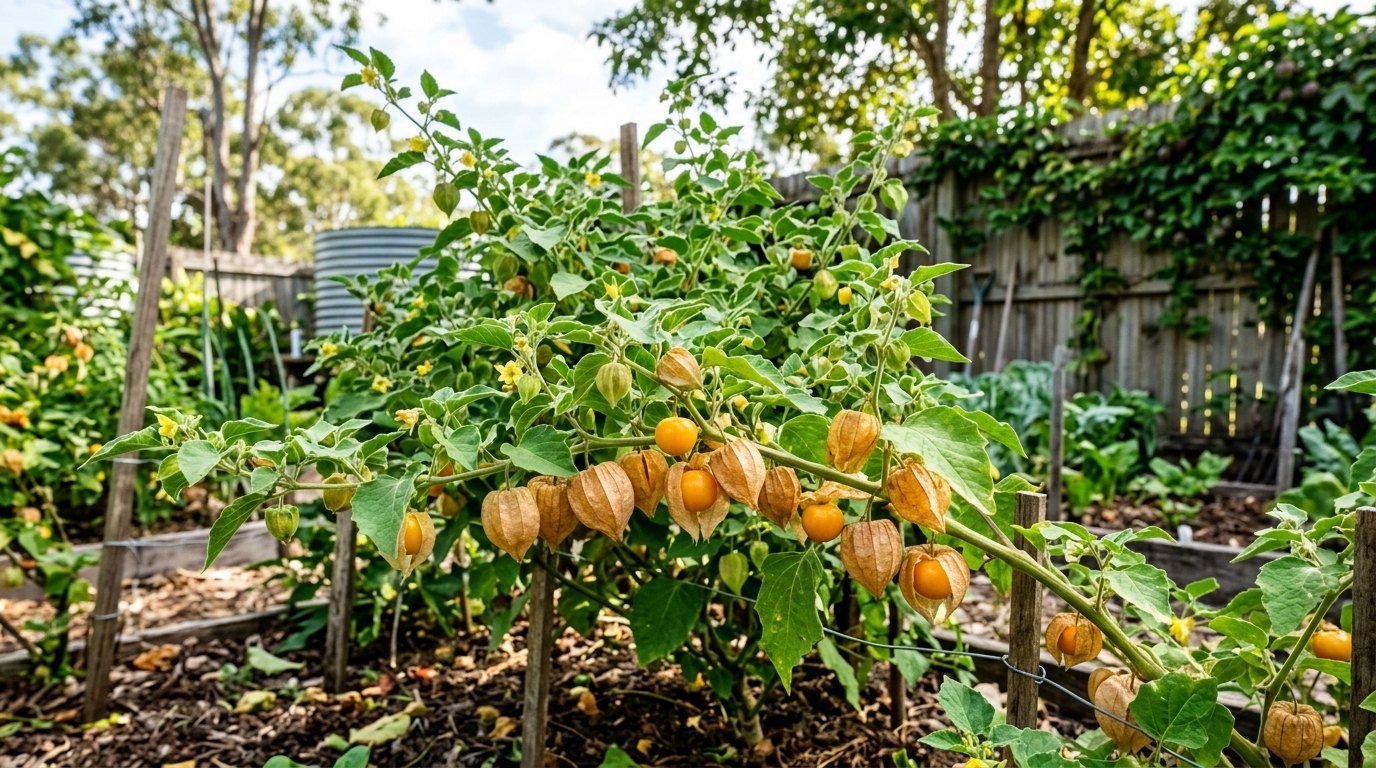
No. The gooseberry is a thorny, deciduous berry bush that needs a cold winter. The Cape gooseberry is an unrelated plant that grows its fruit inside a papery husk.
See also: Gooseberries in the Plant Library