How to Grow Redcurrants in New Zealand
Updated September 2026
Strings of glossy berries for jelly, from a bush that tolerates shade

Redcurrants hang in long strings of translucent, glossy berries that look like jewellery. The fruit is sharp, high in pectin and perfect for jelly, sauces and scattering over desserts. It is rarely sold fresh, which is a good reason to grow your own.
A redcurrant bush grows 1 to 1.8 metres tall and crops reliably in cooler gardens. Unlike blackcurrants, redcurrants fruit on older wood, so they are pruned to keep a permanent open framework rather than renewed from the ground.
Where Redcurrants Grow in New Zealand
Redcurrants need winter chill and suit cooler New Zealand gardens. They grow in Auckland, Waikato and the Bay of Plenty, the Central North Island, Wellington and the lower North Island, Nelson and Marlborough, Canterbury, Otago and Southland and Central Otago. In the warmer of those regions, give them some shade from the afternoon sun.
Northland is not suited, because its winters are too mild to give redcurrants the chill they need to fruit. Everywhere else, plant bare root bushes in winter, June to August. Choose your region below for local planting months.
Varieties to Look For
Jonkheer van Tets
An early, heavy cropping Dutch variety with long strings of large red berries.
Red Lake
A reliable old variety with long bunches of bright red fruit that ripen in midsummer.
White currants
White Versailles and similar varieties are grown exactly like redcurrants. The berries are pale, translucent and a little sweeter.
Planting
Plant bare root bushes in winter, June to August. Redcurrants grow in sun or part shade in moist, well drained soil with a pH of about 6 to 6.8. Dig in compost before planting.
- Space bushes about 1.5 metres apart.
- Plant at the depth the bush grew in the nursery, on a short clear stem, or leg, so the branches start a little above the ground.
- After planting, shorten each main branch by about half to an outward facing bud.
- Water in and mulch with compost.
- Redcurrants grow well against a fence as a flat fan or single stem cordon, and they tolerate a cooler, south facing fence better than most fruit.
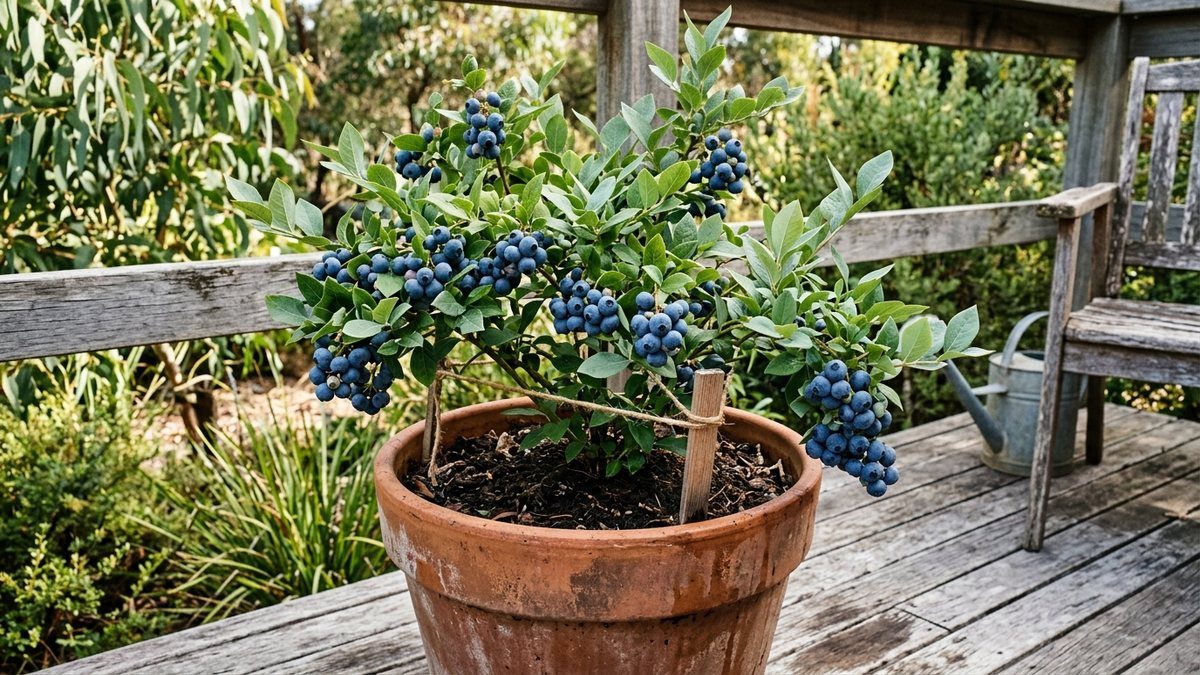
- In a pot, use one at least 40 centimetres wide.
Care and Pollination
Pollination. Redcurrants are self fertile, so one bush crops on its own. Bees visit the small spring flowers.
Watering and feeding. Keep soil moist while the fruit swells and in dry summers. Feed in early spring with compost or a balanced fertiliser, and renew the mulch.
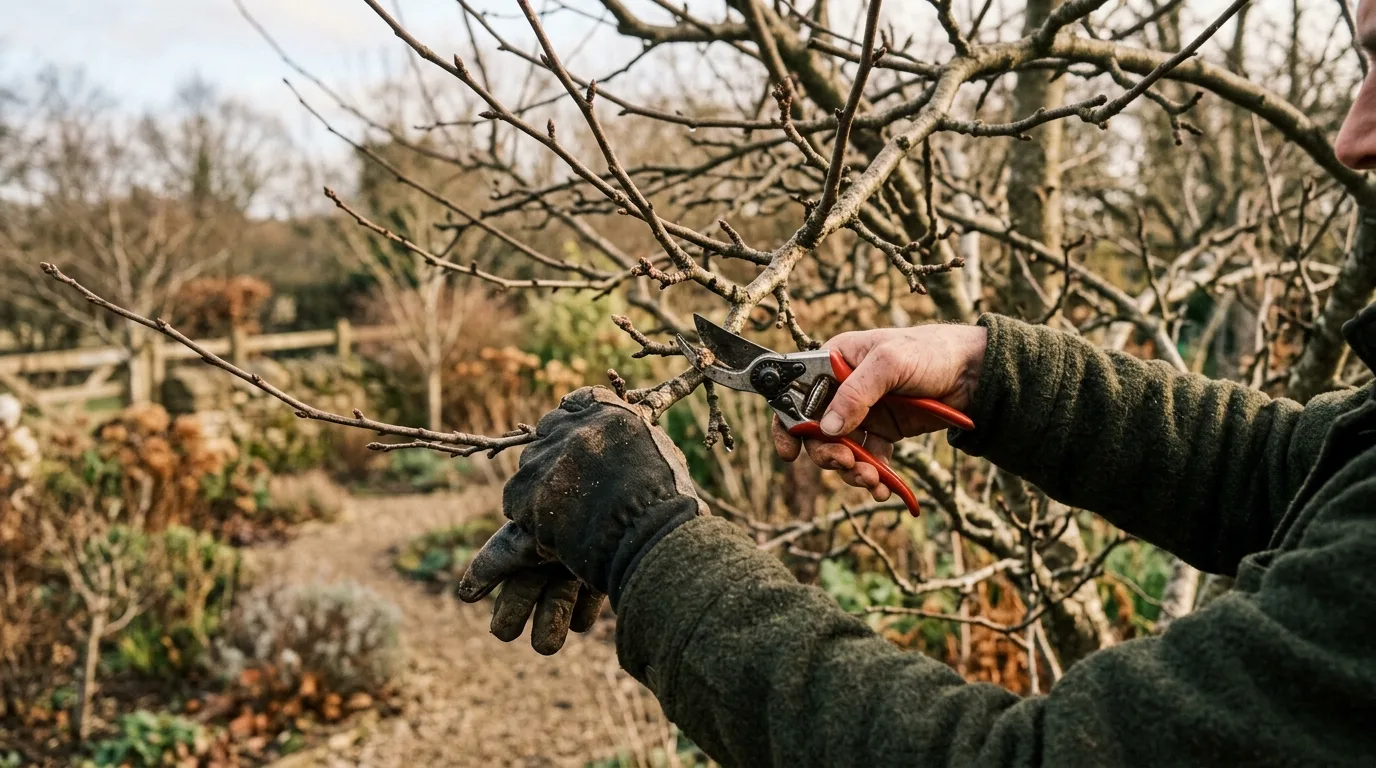
Pruning. Prune in winter. Aim for an open goblet of eight to ten main branches on a short leg, with the centre clear so air and light get in. Shorten the side shoots on each main branch to a couple of buds, because the fruit forms on short spurs at their base. Every few years, cut out an old, unproductive main branch and let a strong young shoot replace it.
Pests and Diseases
- Birds: The biggest threat. They take the berries the moment they colour. Net bushes before the fruit ripens.
- Aphids: Cause red or yellow blistered patches on young leaves in spring. The damage looks alarming but rarely affects the crop.
- Currant clearwing moth: The caterpillar tunnels inside stems, which wilt and die. Cut out affected stems below the damage in winter.
- Powdery mildew and leaf spot: Both are worse in crowded, humid bushes. An open framework and clearing fallen leaves keep them down.
Harvest and Storage
Redcurrants ripen in summer, usually December and January. Wait until the whole string has coloured, then pick the entire string rather than individual berries, which squash easily. Strip the berries off with a fork.
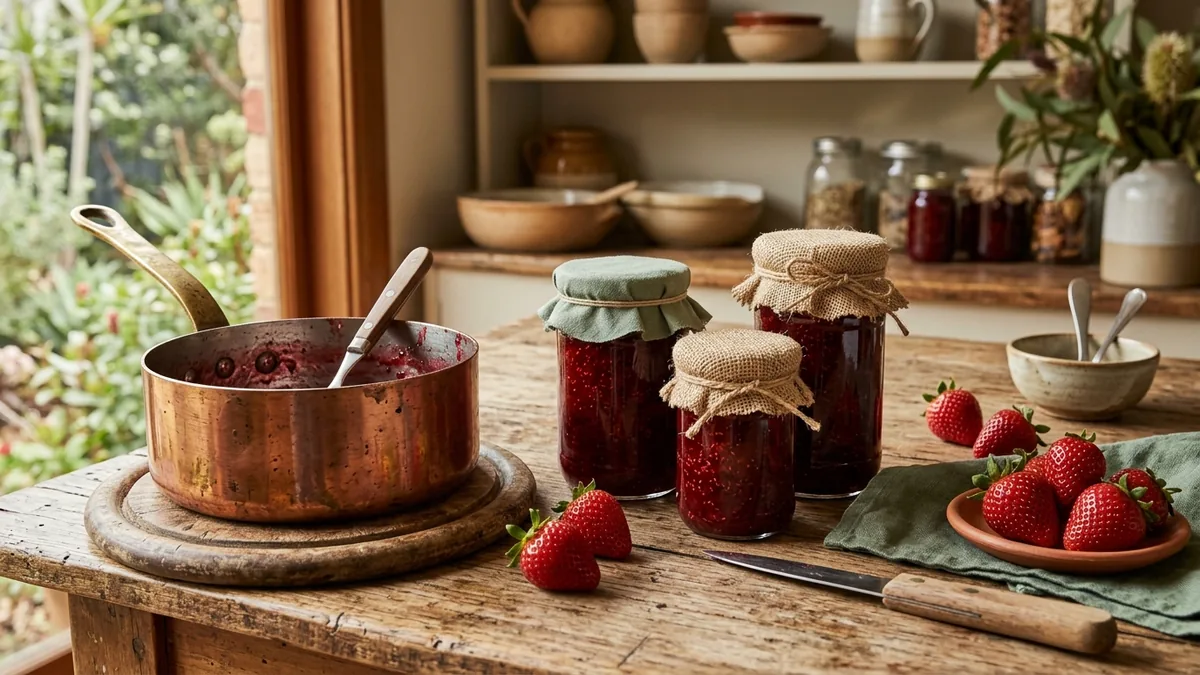
Fresh redcurrants keep a few days in the fridge and freeze well. Their high pectin makes a jelly that sets easily. See our guide to jam, jelly and marmalade.
Track Your Redcurrants
Add redcurrants to your garden in the Planting Season app and get reminders for netting, pruning and harvest.
Open the App →Frequently Asked Questions
How is pruning redcurrants different from blackcurrants?
Blackcurrants fruit on young stems, so old stems are cut to the ground each winter. Redcurrants fruit on spurs on older wood, so they are pruned to keep an open framework of main branches, with side shoots shortened to a couple of buds.
Can I grow redcurrants in Northland?
Redcurrants are not suited to Northland, where winters are too mild to give them the chill they need to fruit. They grow in every other region.
Do redcurrants need full sun?
No. Redcurrants crop in part shade and tolerate a cooler, south facing fence. In warmer regions some afternoon shade helps.
Are white currants the same as redcurrants?
White currants are a pale fruited form of the redcurrant. They are grown and pruned in exactly the same way and taste a little sweeter.
See also: Redcurrants in the Plant Library