
Starting a Vegetable Garden
Updated June 2026
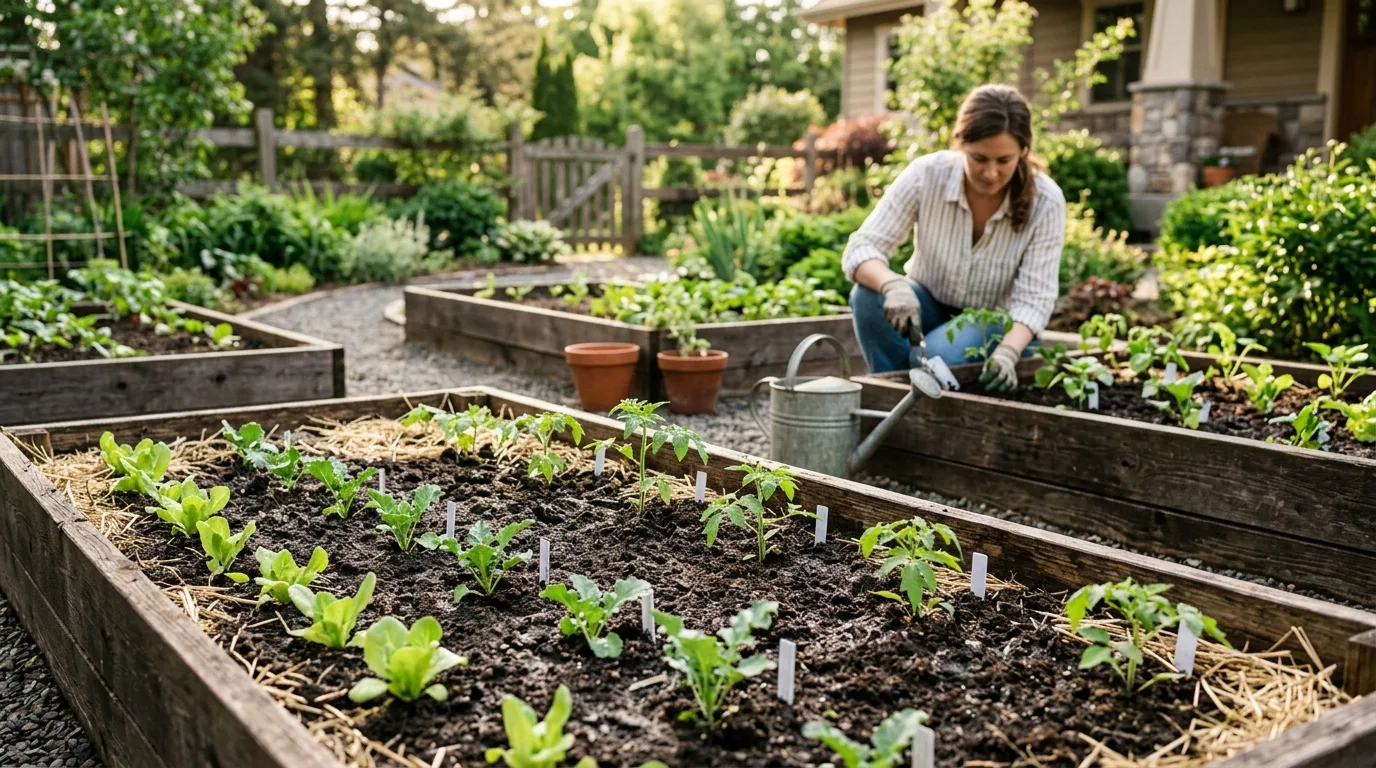
There is nothing quite like picking your own dinner from the backyard. Starting a vegetable garden is easier than it looks, and you do not need much space, money or experience to get going.
The trick is to start small and get the basics right: a sunny spot, decent soil and a few easy crops. Get a couple of beds growing well and you will soon want more. This guide walks you through the essentials for a Kiwi garden.
Pick the right spot
Sun is everything for vegetables. Choose a spot that gets at least six hours of direct sun a day, ideally facing the north for the most light. Most vegetables struggle in shade, so the sunniest corner of the section is the place to start.
Shelter matters too. Wind dries the soil, batters plants and slows growth, and it is a real issue on coastal and exposed sites. A fence, hedge or windbreak on the windward side makes a big difference, so look for a spot with some protection.
- At least six hours of direct sun a day
- Shelter from harsh and coastal wind
- Handy to a tap and the back door
- Away from frost-pooling hollows and competing tree roots
Prepare the soil
Good soil grows good vegetables. If your ground is heavy clay or poor, the easiest fix is a raised bed filled with quality soil and compost. Otherwise, dig plenty of compost through the existing soil to feed it and improve its structure.
Sheep pellets dug in before planting are a classic Kiwi way to enrich the bed and bring in worms. Mix compost and sheep pellets through the top twenty centimetres, water well, and you have a bed ready to plant.
Start with easy crops
Build confidence with crops that are hard to get wrong. Salad greens, lettuce, silverbeet, spring onions, radishes and herbs all grow quickly and forgive a few beginner mistakes. Add a couple of tomato plants in summer for the classic Kiwi reward.
Timing matters. Cool-season crops like greens and brassicas go in through the cooler months, while tender summer crops like tomatoes, courgettes and beans wait until frost risk has passed, around Labour Weekend for much of the country and a bit later down south.
- Easy starters: lettuce, silverbeet, spring onions, radishes, herbs
- Summer favourites: tomatoes, courgettes, beans, once frosts have passed
- Cool-season crops: brassicas, spinach and greens through autumn and winter
Keep it going
Water deeply a few times a week rather than a daily sprinkle, and mulch with pea straw to hold moisture and keep weeds down. Feed through the season with a seaweed or fish liquid fertiliser to keep plants growing strongly.
Visit the garden often, even just for a few minutes. Catching slugs, pulling small weeds and spotting problems early is far easier than fixing them later. Start small, enjoy the wins, and grow from there.
Frequently Asked Questions
Where should I put my vegetable garden?
Somewhere with at least six hours of direct sun, sheltered from harsh wind, and handy to a tap and the back door. Avoid frost-pooling hollows and the competing roots of large trees.
What are the easiest vegetables for beginners?
Lettuce, silverbeet, spring onions, radishes and herbs grow fast and forgive mistakes. Add a couple of tomato plants over summer. These give early wins that build your confidence to try more.
When should I start planting?
Cool-season crops like greens and brassicas go in through the cooler months. Hold tender summer crops like tomatoes and beans until frost risk passes, around Labour Weekend for much of the country and later in the cooler south.