
Lemon and Orange Recipes: Lemon Honey, Drizzle Loaf, Orange Cake and Marmalade
Updated November 2026
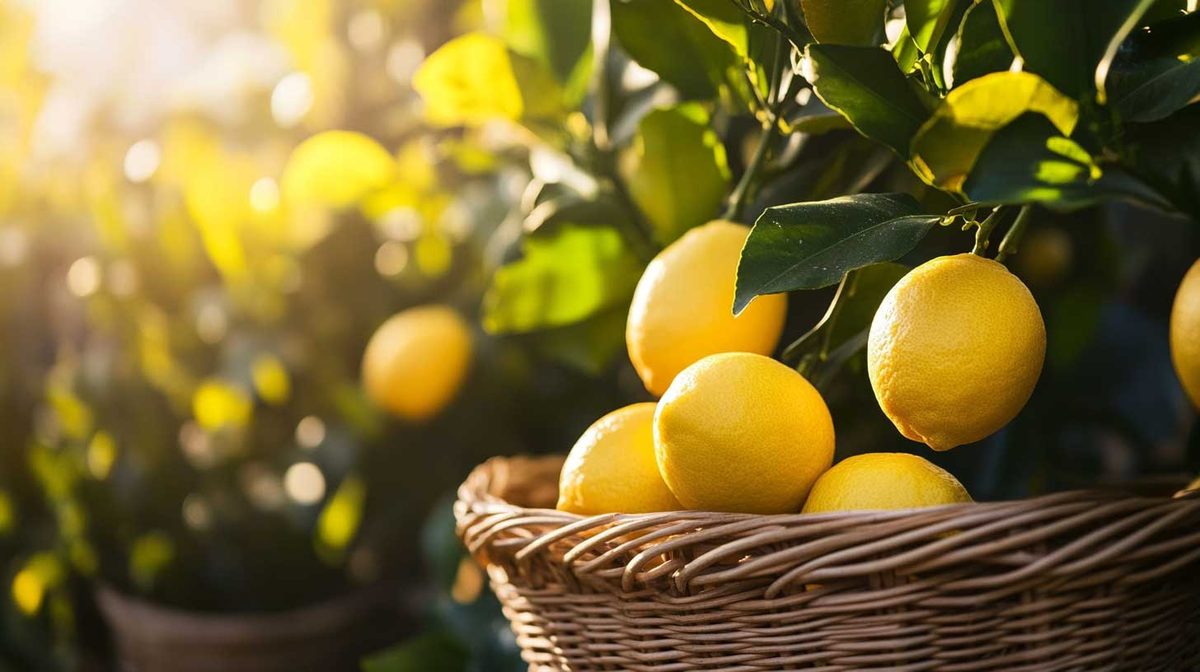
Four recipes for backyard citrus, with the months to plant and pick and how to freeze juice
A backyard lemon tree gives more fruit than most households use, and an orange tree in a sheltered spot does the same in winter. This page has four recipes in exact quantities that use the juice, zest and whole fruit: lemon honey, a lemon drizzle loaf, a whole orange cake and a small batch of marmalade. It also covers when citrus is ready in New Zealand and how to freeze juice and zest.
Oven temperatures on this page are for a standard (non-fan) oven. If you bake with a fan, lower each temperature by 20 degrees and check the food a few minutes early.
The short answer: use lemon juice and zest for lemon honey or a drizzle loaf, boil whole oranges until soft for a flourless orange cake, and freeze any surplus juice in ice cube trays. Lemon honey keeps for two weeks in the fridge.
When citrus is ready in New Zealand
Citrus trees are planted rather than sown. Our data gives these planting months for lemons, and lemon fruit is listed as available in every month of the year, since a mature tree keeps flowering and fruiting through the seasons.
| Region | Planting months |
|---|---|
| Northland | Sep to Nov |
| Auckland | Sep to Nov |
| Waikato & Bay of Plenty | Sep to Nov |
| Central North Island | Nov |
| Wellington & Lower North Island | Sep to Nov |
| Nelson & Marlborough | Oct to Nov |
| Canterbury | Nov |
| Otago & Southland | Nov |
| Central Otago | not grown here |
Oranges are more seasonal and need a warm, sheltered position, so our data gives them for the north and sheltered coastal regions only. Orange fruit is listed from June to February, and mandarins from April to August.
| Region | Planting months |
|---|---|
| Northland | Sep to Nov |
| Auckland | Sep to Nov |
| Waikato & Bay of Plenty | Oct to Nov |
| Central North Island | not grown here |
| Wellington & Lower North Island | Oct to Nov |
| Nelson & Marlborough | Oct to Nov |
| Canterbury | Nov |
| Otago & Southland | not grown here |
| Central Otago | not grown here |
Our lemon growing guide and orange growing guide cover planting, feeding and frost protection, the citrus in pots guide suits small gardens, and the lemon plant page and orange plant page have the quick facts.
Juice, zest and handling
A medium lemon gives about 50 ml of juice and 1 tablespoon of zest, and a medium orange gives about 80 ml of juice. Room-temperature fruit gives more juice than cold fruit, and rolling it under your palm on the bench for 20 seconds helps. Zest the fruit before juicing it, because a juiced lemon is almost impossible to zest.
Use unwaxed, home-grown fruit for zest, and wash it first. Take only the coloured outer skin and stop at the white pith, which is bitter. Home-grown citrus often has thicker skin and more seeds than shop fruit, so strain the juice through a sieve.
Lemon honey
Lemon honey is the New Zealand name for a soft lemon curd, and it is the best use of a lot of lemons. It makes about 2 jars of 250 ml. The mixture contains eggs, so it needs gentle cooking and fridge storage.
Ingredients
- 150 ml lemon juice (about 3 lemons)
- Finely grated zest of 2 lemons
- 150 g caster sugar
- 100 g butter, cut in small pieces
- 3 eggs, plus 1 extra yolk
Method
- Wash two 250 ml jars and lids in hot soapy water and rinse well.
- Whisk the eggs and yolk with the sugar in a heatproof bowl, then stir in the juice, zest and butter.
- Set the bowl over a pot of barely simmering water, with the base of the bowl clear of the water, and stir constantly for 10 to 15 minutes until the mixture thickens enough to coat the back of a spoon and reaches at least 71°C.
- Strain through a sieve into the jars to remove the zest and any scrambled bits, seal while hot and cool.
Lemon honey is not a shelf-stable preserve. Keep it in the fridge and use it within two weeks, or freeze it for up to three months. It is lovely on toast, scones or pavlova.
Lemon drizzle loaf
A moist loaf with a crisp sugar crust. It makes one 21 by 11 cm loaf, about 10 slices.
Ingredients
- 125 g softened butter
- 175 g caster sugar
- 2 eggs
- 190 g self-raising flour
- 125 ml milk
- Finely grated zest of 2 lemons
- Syrup: 60 ml lemon juice and 60 g caster sugar
Method
- Heat the oven to 180°C and grease and line a loaf tin.
- Beat the butter, sugar and zest for 3 to 4 minutes until pale and creamy. Beat in the eggs one at a time.
- Fold in the flour in two lots, alternating with the milk, until just combined.
- Spoon into the tin and bake for 45 to 50 minutes until a skewer comes out clean.
- While the loaf is hot, stir the syrup ingredients together and spoon the syrup over the loaf in its tin, pricking the top with a skewer first so it soaks in. Cool in the tin.
The loaf keeps for four days in an airtight tin, or three months in the freezer, sliced.
Whole orange cake
This flourless cake uses whole boiled oranges, peel and all, and is naturally gluten free. It makes one 20 cm round cake, about 10 slices. Boil the oranges the day before if you like, because the cooked fruit keeps in the fridge.
Ingredients
- 2 medium oranges (about 450 g in total)
- 5 eggs
- 220 g caster sugar
- 250 g almond meal
- 1 teaspoon baking powder
- Icing sugar, to dust
Method
- Put the whole oranges in a pot, cover with cold water and simmer, covered, for 1 hour until completely soft. Drain and cool.
- Heat the oven to 180°C and grease and line a 20 cm springform tin.
- Halve the cooled oranges, remove any pips, and blend the whole oranges, peel and all, to a smooth purée.
- Whisk the eggs and sugar for 3 minutes until pale, then fold in the almond meal, baking powder and orange purée.
- Pour into the tin and bake for 50 to 60 minutes, covering with foil after 35 minutes if the top browns too quickly, until a skewer comes out clean. Cool in the tin and dust with icing sugar.
The cake is very moist, so keep it in the fridge. It keeps for four days, and freezes for three months.
Small-batch orange and lemon marmalade
This marmalade has not been lab tested for shelf storage, so it is made as a small batch for the fridge and freezer. It makes about 5 jars of 250 ml. Start the day before.
Ingredients
- 400 g oranges
- 100 g lemons
- 1.25 litres water
- 1 kg white sugar
Method
- Wash the fruit, halve it and juice it into a large pot, keeping the pips. Tie the pips and any thick pith in a piece of muslin.
- Slice the peel thinly, 2 to 3 mm wide, and add it to the pot with the juice, water and muslin bag. Cover and leave overnight.
- Bring to the boil and simmer for 45 to 60 minutes, uncovered, until the peel is completely soft and the liquid has reduced by about a third.
- Remove the muslin bag, squeezing it into the pot. Add the sugar, stir over low heat until dissolved, then boil rapidly for 15 to 25 minutes until the mixture reaches 104°C on a jam thermometer, or a spoonful wrinkles when pushed on a chilled saucer.
- Rest for 10 minutes so the peel distributes, then ladle into clean, hot jars, seal and cool.
Keep the jars in the fridge and use the marmalade within three months, or freeze it for up to 12 months. For a pantry marmalade, follow a tested method such as the ones in our bottling and jam guide and our jam and jelly guide, and do not reduce the sugar.
Freezing juice and zest
Citrus juice freezes well. Strain it, pour it into ice cube trays and freeze, then bag the cubes. A standard cube holds about 15 ml, so you can count out the amount a recipe needs. Zest freezes in a small container or bag and can go straight into baking. Use both within 12 months. Whole lemons can be frozen too, and grated frozen, which gives zest and juice in one go. Our freezing the harvest guide has the general rules.
Quick reference
| Recipe | Citrus used | Oven or cook | Time | Keeps |
|---|---|---|---|---|
| Lemon honey (2 jars) | 3 lemons | Over simmering water | 10 to 15 minutes | 2 weeks in the fridge, 3 months frozen |
| Lemon drizzle loaf (10) | 3 lemons | 180°C | 45 to 50 minutes | 4 days, or 3 months frozen |
| Whole orange cake (10) | 2 oranges | 180°C | 50 to 60 minutes | 4 days in the fridge |
| Small-batch marmalade (5 jars) | 500 g fruit | Boil to 104°C | 15 to 25 minutes | 3 months in the fridge, 12 months frozen |
Questions
How long does lemon honey keep?
It contains eggs and butter and is not a shelf-stable preserve. Keep it in the fridge for up to two weeks, or freeze it for up to three months.
How much juice is in a lemon?
A medium lemon gives about 50 ml of juice and about 1 tablespoon of zest, and a medium orange gives about 80 ml of juice.
Can you freeze lemon juice?
Yes. Strain it, freeze it in ice cube trays and bag the cubes. Each cube holds about 15 ml, and the juice keeps for up to 12 months.
Why use whole oranges in a cake?
Boiling them whole until soft takes the bitterness out of the peel, and blending the fruit gives moisture and flavour without any flour or fat.
Can I keep homemade marmalade in the cupboard?
Only if it follows a tested recipe. Our small-batch marmalade has not been lab tested, so keep it in the fridge or freezer.
Sources
- National Center for Home Food Preservation: jams and jellies
- New Zealand Food Safety (MPI): food safety in the home
Plant profile
The lemon profile has sowing times for your region, companion plants and common pests.