How to Grow Almonds in New Zealand
Updated September 2026
An early flowering nut tree for dry, sunny gardens with a winter chill

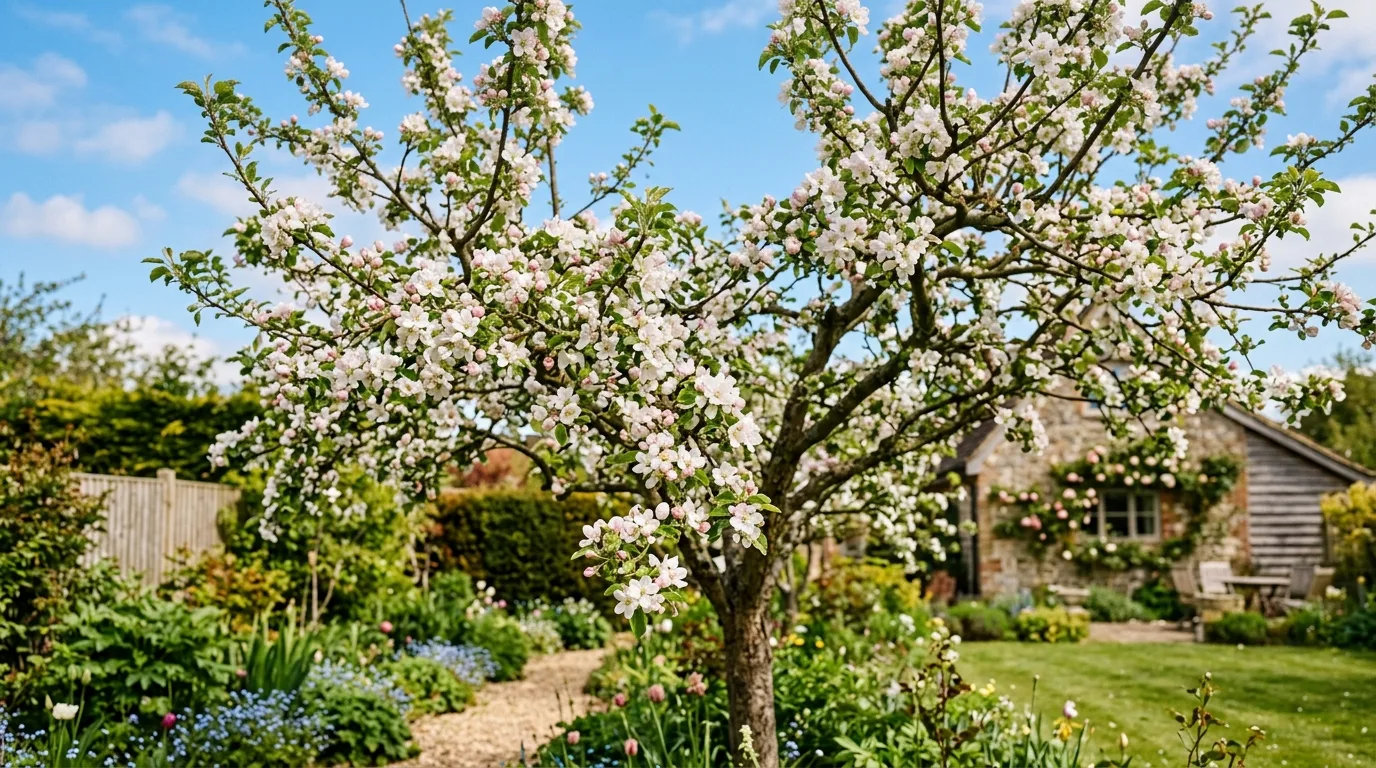
An almond is a close cousin of the peach, and it looks like one in spring when the bare branches cover in pale pink blossom. The part you eat is the stone inside a leathery green hull. Almonds are frost hardy trees, but they flower earlier than any other stone fruit, often in August, so the weather at blossom time decides whether you get a crop.
That makes site choice the most important decision. A dry spring, good drainage and a partner tree for pollination matter more than anything you do later. Get those right and a grafted tree starts cropping in about three years.
Where Almonds Grow in New Zealand
Almonds do best in the drier east, in Hawke's Bay, Marlborough and Canterbury, where spring is not too wet. Central Otago's hot, dry summers also suit them, as long as the tree is not in a frost pocket that catches the blossom. The planting calendar also lists Auckland, Waikato and the Bay of Plenty, Wellington and the lower North Island, and Nelson, but in the humid north of that range choose the sunniest, most open site you have so the blossom dries quickly after rain.
Three regions are not suited. In Northland humid, wet springs bring shot hole and brown rot to the blossom. On the Central North Island plateau wet springs and late frosts ruin the flowers, and in Otago and Southland springs are too cold and wet for the nuts to set. Plant bare root trees in winter, June to August, in every region where almonds are suited. Choose your region below for local planting months.
Varieties to Look For
Buy a grafted, named tree. Seedling almonds vary, and some seedlings produce bitter kernels. Check the label for the pollination partner the nursery recommends.
Nonpareil
A soft shelled almond with a sweet, well shaped kernel. It is not self fertile, so it needs a second variety that flowers at the same time.
Titan
A hard shelled variety that flowers a little later than most, which gives the blossom a better chance of missing a late frost. Often sold as a pollinator.
All-in-One
A semi dwarf tree sold as self fertile, a good choice where there is room for only one tree. It still crops more heavily with another almond nearby.
Garden Prince
A naturally compact tree, also sold as self fertile, that suits a small section or a large tub while young.
Planting
Plant bare root trees in winter while they are dormant, June to August. Choose full sun and a free draining soil with a pH of about 6 to 7.5. Almonds hate wet feet, so on heavy clay plant on a low mound or a raised bank rather than in a hole that will hold water.
- Allow about 6 metres between trees. A mature almond grows 4 to 8 metres tall unless you keep it smaller by pruning.
- Soak bare roots in a bucket of water for an hour before planting.
- Dig a wide, shallow hole, spread the roots out and plant at the same depth the tree grew in the nursery, keeping the graft union above the soil.
- Water in well, then mulch in a wide ring, keeping the mulch clear of the trunk.
- Plant the pollination partner within easy reach of the bees, ideally in the same part of the garden.
Care and Pollination
Pollination. Almonds are pollinated by bees, and most varieties cannot set nuts with their own pollen. Plant two varieties whose flowering overlaps. Because the blossom opens so early, cold, wet or windy weather at flowering keeps bees at home, which is another reason a sheltered, sunny site pays off.
Watering. Water young trees deeply once a week through their first two summers. Established trees are drought tolerant, but a deep soak in dry spells from spring to midsummer keeps the nuts filling well.
Feeding. Spread compost or a balanced fruit tree fertiliser over the root zone in late winter, before growth starts. Go easy on nitrogen, which pushes soft leafy growth that is more prone to disease.
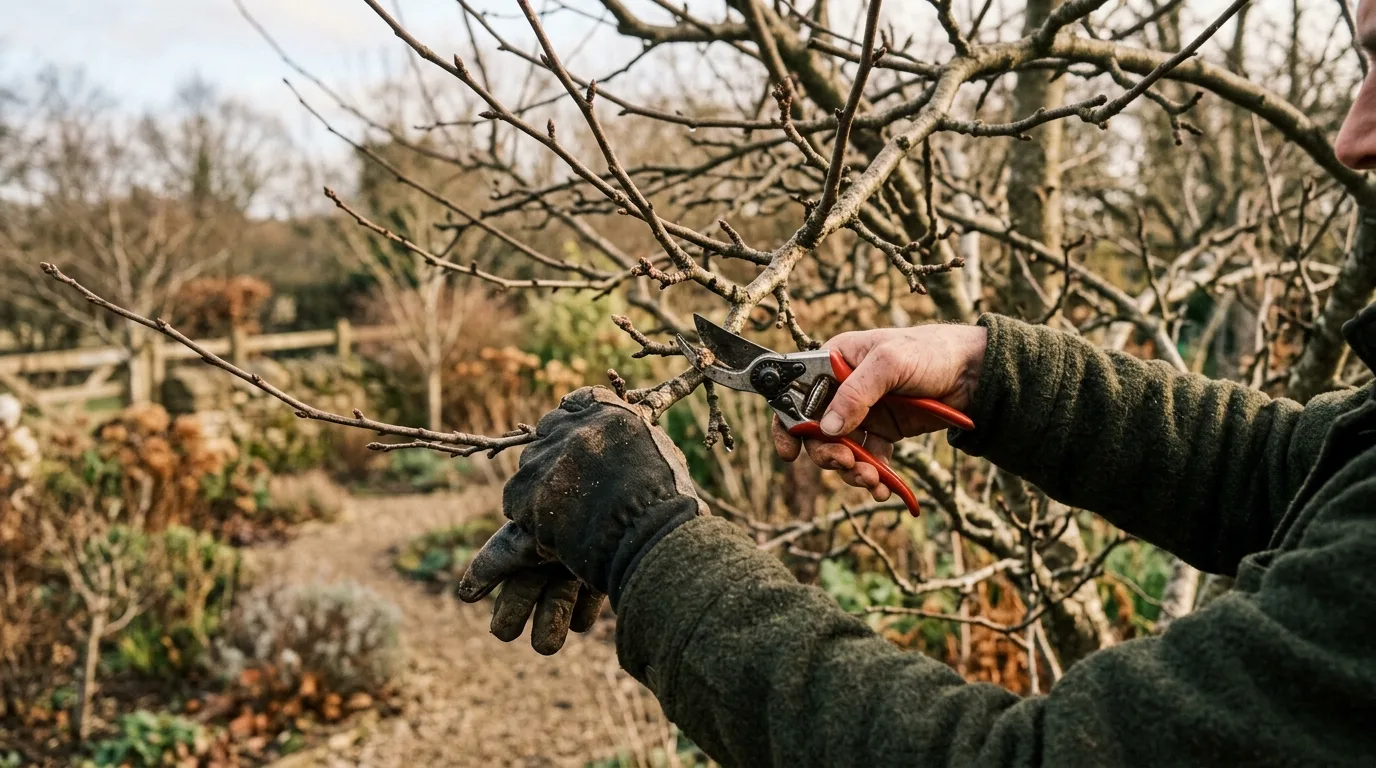
Pruning. Prune almonds in late summer, after harvest, on a dry day. Like apricots and cherries they are prone to bacterial canker and silver leaf, which enter pruning cuts in cool, wet weather, so never prune them in winter. Train young trees to an open vase of three or four main branches, and on older trees remove dead, crossing and crowded wood. See our guide to pruning fruit trees.
Pests and Diseases
- Leaf curl: Red, puckered, blistered leaves in spring. The same fungus attacks peaches. Spray copper as the buds swell in late winter, before they open.
- Shot hole: Small brown spots on leaves that fall out and leave holes. It spreads in wet springs. Clear fallen leaves and use the same copper spray at bud swell.
- Brown rot: Blossom and young hulls turn brown and wither in wet weather. Remove affected twigs and any hulls left on the tree after harvest.
- Rust: Rusty orange spots under the leaves in late summer. Usually cosmetic on a vigorous tree.
- Aphids: Cluster on soft new shoots in spring. Hose them off or squash them, and let ladybirds do the rest.
- Birds, possums and rats: All take ripening nuts. Net small trees, fit a smooth metal collar to the trunk against possums, and harvest promptly.
Harvest and Storage
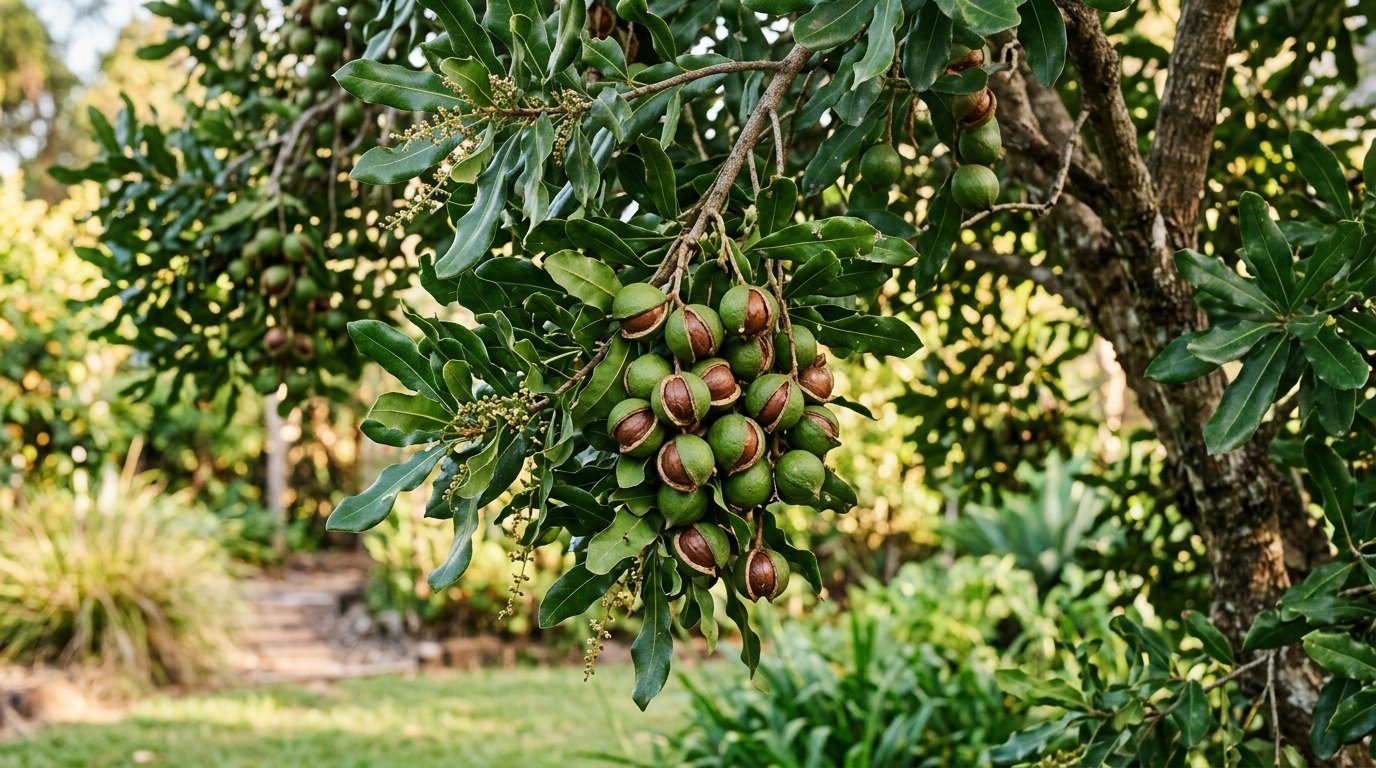
Almonds ripen in late summer to early autumn. The nuts are ready when the green hulls split open and the shell inside is dry and brown. Spread a tarpaulin under the tree and shake or knock the branches, then gather the nuts before birds and rats find them.
Peel off the hulls straight away and spread the nuts in a single layer somewhere dry and airy, out of direct sun, for a week or two. They are dry enough when a kernel snaps cleanly rather than bending. Stored in the shell in a cool, dry place, almonds keep for months. Shelled kernels keep longer in an airtight container in the fridge or freezer.
Track Your Almond Tree
Add almonds to your garden in the Planting Season app and get reminders for spring sprays, summer pruning and harvest.
Open the App →Frequently Asked Questions
Do I need two almond trees?
Most almond varieties need a second variety flowering at the same time to set nuts, and bees carry the pollen between them. A few varieties, such as All-in-One and Garden Prince, are sold as self fertile, but even these crop better with another almond nearby.
Can I grow almonds in Northland?
Almonds are not suited to Northland. Humid, wet springs bring shot hole and brown rot to the blossom. They are also not suited to the Central North Island or Otago and Southland. Almonds do best in the drier east, in Hawke's Bay, Marlborough and Canterbury, and in Central Otago.
When should I prune an almond tree?
Prune almonds in late summer after the harvest, on a dry day. Winter pruning leaves cuts open to bacterial canker and silver leaf during cool, wet weather.
How long does an almond tree take to produce nuts?
A grafted almond usually starts cropping in about three years. Seedling trees take longer and the kernels can be bitter, so a named, grafted variety is the better buy.
See also: Almonds in the Plant Library