How to Grow Carob in New Zealand
Updated September 2026
A drought hardy pod tree for the warmest, driest northern spots

Carob is an evergreen Mediterranean tree grown for its long, leathery pods. Dried and ground, the pulp makes carob powder, a naturally sweet, caffeine free stand in for cocoa. The tree is slow, handsome and extremely drought hardy once established.
Carob is a tree for patient gardeners in the right spot. It takes about five years to crop, most trees need a partner of the opposite sex, and in New Zealand it needs the warmest, driest, frost free site you can give it.
Where Carob Grows in New Zealand
Carob suits only Northland and Auckland, and even there it needs the warmest, driest, frost free spot on a free draining slope. Plant in spring, September to November.
The rest of the country is not suited. Waikato and the Bay of Plenty are too wet and frost prone, and Wellington and the lower North Island are too cool and wet. Nelson and Marlborough and Canterbury are too frosty, and the Central North Island, Otago and Southland and Central Otago are far too cold. Choose your region below to check local planting months.
Varieties to Look For
Named, grafted carob varieties are rarely sold in New Zealand, and most trees on offer are seedlings. That matters because of how carob is pollinated.
Seedling trees
The usual option. A seedling can turn out male, female or, less often, both, and you will not know which until it flowers after several years. Plant three or more to be sure of both sexes.
Grafted female or hermaphrodite trees
If you find one, a grafted tree taken from a known pod bearing tree crops sooner and more reliably. A hermaphrodite tree carries both male and female flowers and can set pods on its own.
Planting
Plant container grown trees in spring, September to November, after any risk of cold weather. Carob wants full sun, shelter from cold wind and very free draining soil with a pH of about 6 to 8. It copes with poor, stony ground but not with wet feet.
- Allow about 6 metres of space. A carob grows 5 to 10 metres tall with a broad, dense crown.
- Carob resents root disturbance. Plant carefully without teasing out the roots, at the depth it grew in the pot.
- Water in well, then water weekly through the first summer.
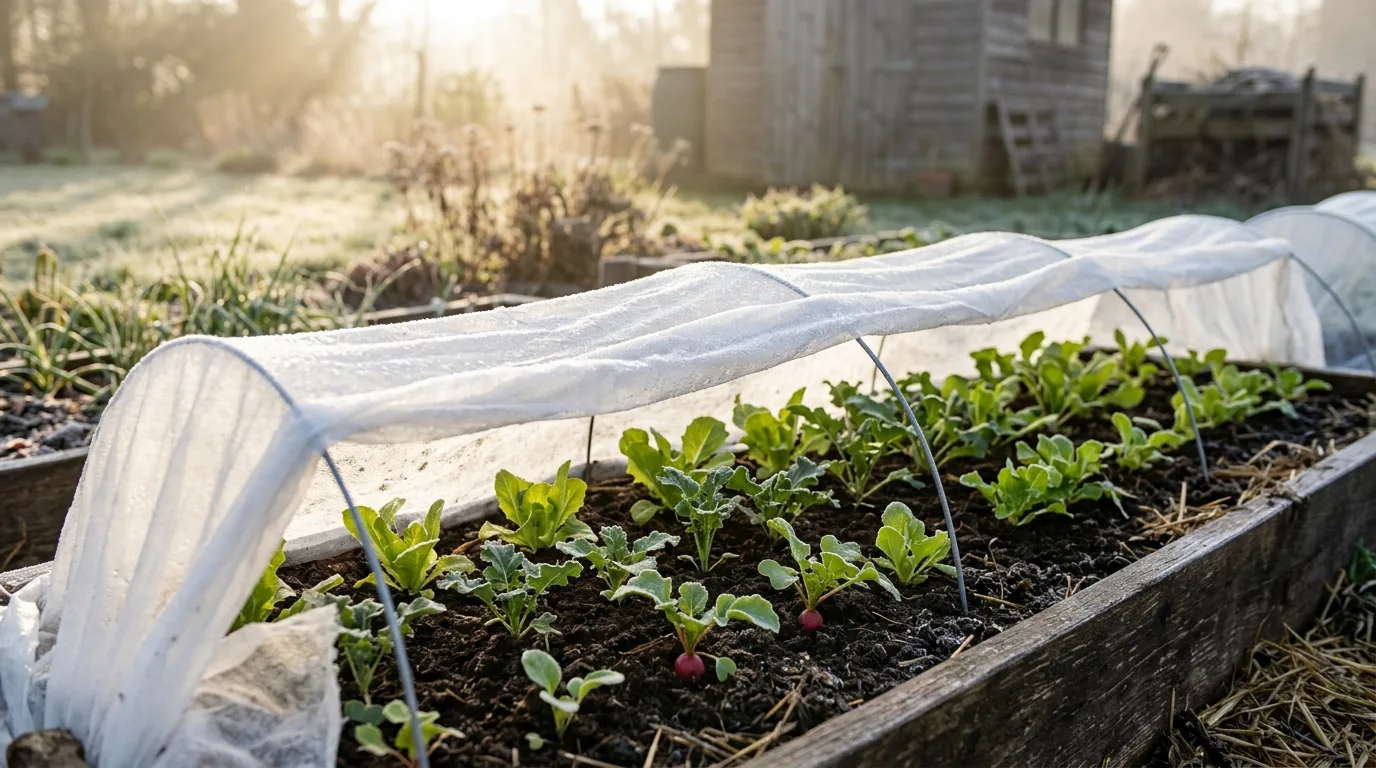
- Protect young trees from frost with frost cloth. Mature trees handle a light frost; young ones do not.
- Carob seed has a very hard coat. To grow your own, nick or soak the seed before sowing, and expect germination in about two weeks in warm conditions.
Care and Pollination
Pollination. Most carob trees are either male or female. Only female and hermaphrodite trees carry pods, and a female needs a male tree nearby for pollen. Insects and wind carry the pollen from the small autumn flowers.
Watering. Water young trees through their first two summers. After that carob is very drought hardy and usually needs no watering at all. Overwatering is a bigger risk than drought.
Feeding. Carob needs little feeding. A light dressing of compost in spring is plenty.
Pruning. Train a young tree to a single trunk by removing low branches gradually. After that, prune only to remove dead or crossing wood.
Pests and Diseases
Carob has very few pest and disease problems.
- Scale and mealybug: Can build up on stems and leaves of stressed trees. Spray with horticultural oil.
- Root rot: The main threat. Carob in heavy or wet soil declines and dies. Plant only in free draining ground.
Harvest and Storage
Carob pods take many months to mature after flowering. They are ready when they turn dark brown, leathery and dry, and begin to drop. Shake or knock them from the tree onto a sheet, or gather fallen pods.
Dry the pods further in a warm, airy place until they snap. Then split them, discard the very hard seeds, and roast and grind the pulp into powder, or chew the pods straight. Dried pods keep for months in an airtight container.
Track Your Carob Tree
Add carob to your garden in the Planting Season app and get reminders for watering young trees, frost cover and harvest.
Open the App →Frequently Asked Questions
Where can carob grow in New Zealand?
Carob suits only Northland and Auckland, in the warmest, driest, frost free spots. It is not suited to any other region.
Why does my carob tree have no pods?
Most carob trees are either male or female, and only females and the less common hermaphrodite trees carry pods. A female also needs a male tree nearby. Carob is slow, too, and takes about five years to crop.
When should I plant carob?
Plant carob in spring, September to November, in Northland or Auckland, in full sun and very free draining soil.
Is carob a good substitute for cocoa?
Carob powder is naturally sweet and caffeine free, and it is widely used in place of cocoa in baking and drinks. It has its own flavour rather than tasting exactly like chocolate.
See also: Carob in the Plant Library