How to Grow Jujubes in New Zealand
Updated September 2026
A tough, drought hardy tree whose fruit needs summer heat

The jujube, sometimes called the Chinese date, is a small deciduous tree with glossy leaves, thorny zigzag branches and fruit the size of a large olive. Picked when half brown, the fruit is crisp and sweet like a small apple. Left to ripen fully, it wrinkles and dries into the red dates used in soups and teas.
Jujubes are very hardy and very drought tolerant once established, and they have few pest problems. What they do need is summer heat, because that is what ripens the fruit.
Where Jujubes Grow in New Zealand
Jujubes are best where summers are hot and dry: Hawke's Bay, Marlborough and Central Otago. They can also be planted in Northland, Auckland, Waikato and the Bay of Plenty, the rest of Wellington and the lower North Island, Nelson and Canterbury, but the hotter and sunnier the site, the sweeter the fruit. A spot against a north facing wall helps in cooler or cloudier gardens. The tree leafs out late in spring, so it rarely suffers frost damage.
Two regions are not suited. On the Central North Island plateau, and in Otago and Southland, summers are too short and cool for the fruit to ripen. Elsewhere, plant bare root trees in winter, June to August. Choose your region below for local planting months.
Varieties to Look For
Buy grafted, named trees. Seedling jujubes and suckers from rootstock give small, poor fruit.
Li
Large, round fruit that is crisp and sweet when picked half brown. The best choice for eating fresh.
Lang
Pear shaped fruit that is a little dry to eat fresh but excellent once fully ripe and dried. A good pollinator for Li.
Sugar Cane
Small, very sweet fruit on a productive tree, good fresh or dried.
Planting
Plant bare root trees in winter, June to August, in the sunniest spot you have. Jujubes tolerate a wide range of soils, from sandy to heavy, with a pH of about 6 to 8, as long as the ground drains.
- Allow about 5 metres of space. A jujube grows 4 to 8 metres tall, though it is easily kept smaller.
- Plant at nursery depth with the graft union above the soil, water in and mulch.
- Plant somewhere you will not mind a few suckers, and away from paths, because the branches are thorny.
- Jujubes are slow to leaf out in their first spring. Do not give up on a tree that still looks bare in October.
Care and Pollination
Pollination. Jujube flowers are tiny, green and scented, and are pollinated by insects. Some varieties set fruit on their own, but most crop more heavily with a second variety nearby, such as Li planted with Lang.
Watering. Water young trees through their first two summers. Established trees are very drought hardy, although watering in a long dry spell while fruit is setting helps it size up.
Feeding. Little is needed. Spread compost around the tree in spring.
Suckers. Grafted trees send up suckers from the roots. Pull or cut them off at their base as they appear.
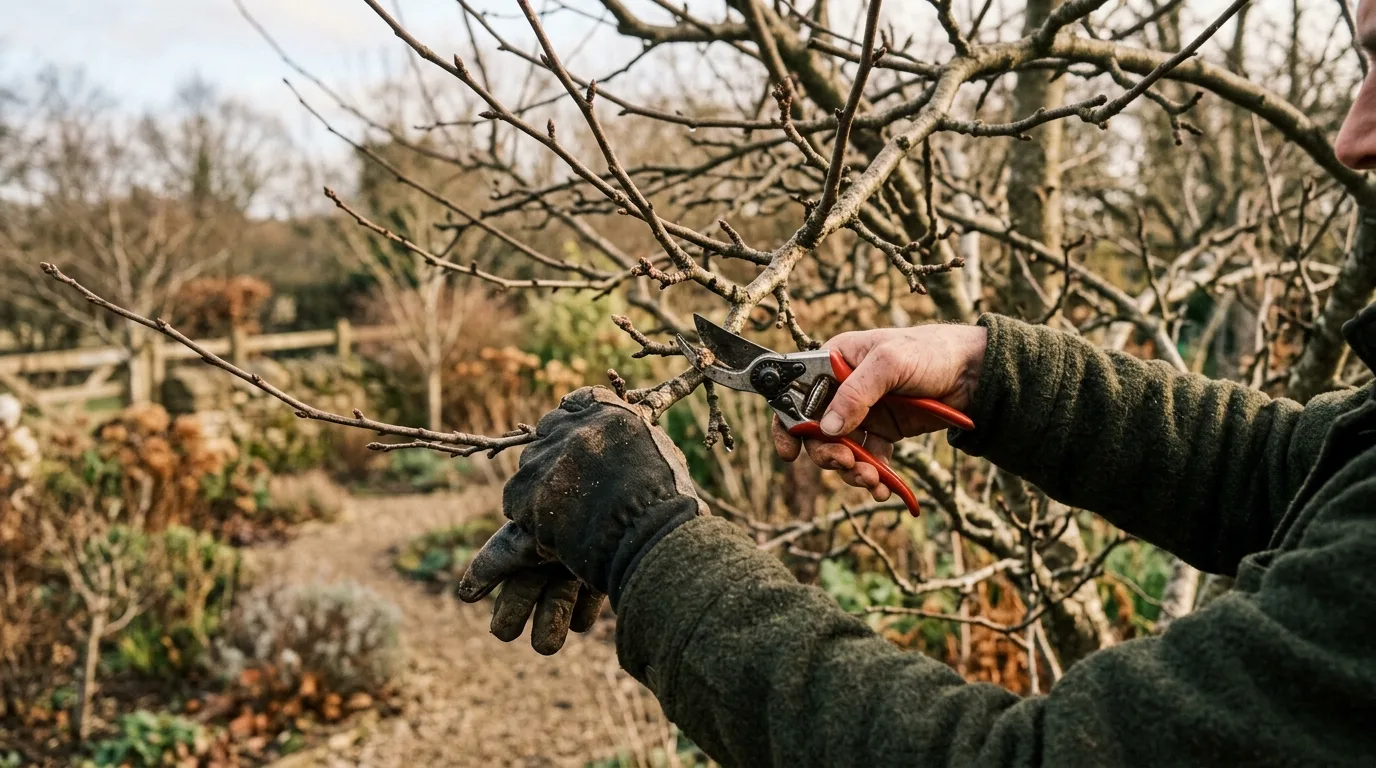
Pruning. Prune in winter while dormant. Shape a young tree to an open framework, then remove only dead, crossing and crowded branches. See our guide to pruning fruit trees.
Pests and Diseases
Jujubes have very few pest or disease problems in New Zealand, which is a big part of their appeal. Almost no spraying is needed.
- Birds: Peck ripening fruit. Net small trees as the fruit starts to colour.
- Possums: Can take fruit and browse young growth. Fit a smooth collar around the trunk.
- Root rot: The main risk to the tree itself is waterlogged soil, so avoid spots where water lies in winter.
Harvest and Storage
Jujubes ripen in autumn, and the fruit does not ripen further once picked, so timing depends on how you want to use it. For eating fresh, pick when the skin is half to mostly red brown and the flesh is still crisp. For drying, leave the fruit on the tree until it is fully red brown and starts to wrinkle.
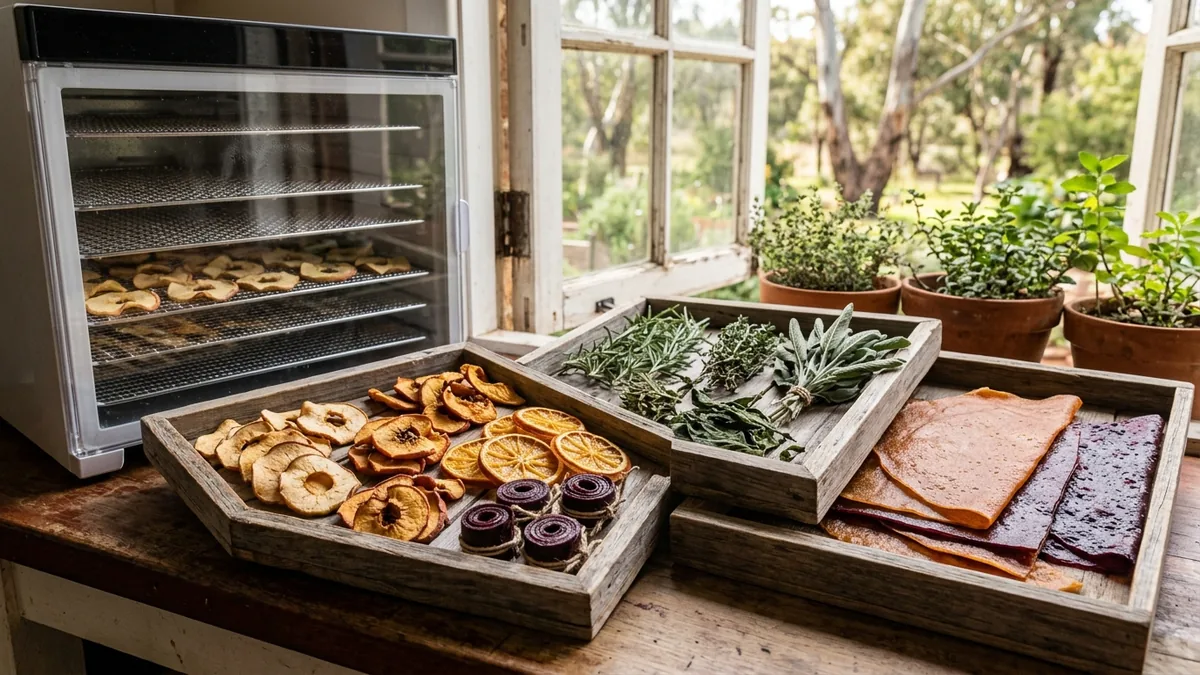
Fresh jujubes keep about a week in the fridge. Dried fruit stores for months in an airtight jar. See our guide to dehydrating fruit.
Track Your Jujube Tree
Add jujubes to your garden in the Planting Season app and get reminders for sucker removal, netting and harvest.
Open the App →Frequently Asked Questions
Do I need two jujube trees?
Some jujube varieties set fruit on their own, but most crop more heavily with a second variety nearby. Li and Lang are a common pairing.
Where do jujubes grow best in New Zealand?
Jujubes do best where summers are hot and dry, such as Hawke's Bay, Marlborough and Central Otago. They are not suited to the Central North Island or Otago and Southland, where summers are too short and cool for the fruit to ripen.
When are jujubes ripe?
Jujubes ripen in autumn. Pick them half to mostly red brown for crisp fresh eating, or leave them to turn fully red brown and wrinkle for drying.
Why has my jujube not leafed out?
Jujubes are among the last trees to leaf out in spring, and newly planted trees can be especially slow. Scratch a twig with a fingernail: green underneath means the tree is alive.
See also: Jujubes in the Plant Library