How to Grow Walnuts in New Zealand
Updated September 2026
A long lived shade and nut tree for cooler districts

Walnut trees have been planted on New Zealand farms and in town sections for generations, as shelter, shade and a winter store of nuts. A walnut is a big commitment: the tree can reach 20 metres, it needs deep soil, and it takes several years to crop. In return, a mature tree gives nuts for decades.
The two things that decide your harvest are winter chill and spring frost. Walnuts need a proper cold winter, but their new shoots and flowers are easily burnt by a late frost, so choosing the right variety for your district matters.
Where Walnuts Grow in New Zealand
Walnuts are well suited to most of New Zealand, from Auckland and Waikato to Canterbury, Otago, Southland and Central Otago. The cooler regions, with their colder winters, suit them particularly well. On the Central North Island plateau and in Central Otago, where late spring frosts are common, choose a late leafing variety so the new growth comes after the worst frosts.
Northland is the one region where walnuts are not suited. It does not get enough winter chill for a reliable crop, and the humidity brings walnut blight. Everywhere else, plant bare root trees in winter, June to August. Choose your region below for local planting months.
Varieties to Look For
Grafted trees start cropping sooner and give nuts of known quality. Seedling walnuts can take years longer to bear and the nuts vary.
Franquette
An old French variety that leafs out late in spring, which helps it escape frost damage. A good choice for frosty inland sites.
Rex
A variety selected in New Zealand, known for well filled, light coloured kernels.
Meyric
Another New Zealand selection, often planted with Rex so that their flowering overlaps.
Chandler
Bears nuts on side shoots as well as branch tips, so it crops heavily for its size. Leafs out fairly late.
Planting
Plant in winter, June to August, while the tree is dormant. Walnuts want full sun and deep, fertile, free draining soil with a pH of about 6 to 7.5. They sulk in shallow soil or where water lies in winter.
- Give each tree about 10 metres of space. A walnut grows 8 to 20 metres tall and nearly as wide.
- Keep walnuts well away from vegetable beds and apple trees. Walnut roots and leaves release a compound called juglone that stunts some plants, tomatoes among them.
- Walnuts have a long tap root. Dig a deep hole, set the tree at its nursery depth, and do not bend or cut the tap root to fit.
- Water in well and mulch widely. Stake only in very windy sites, low on the trunk.
Care and Pollination
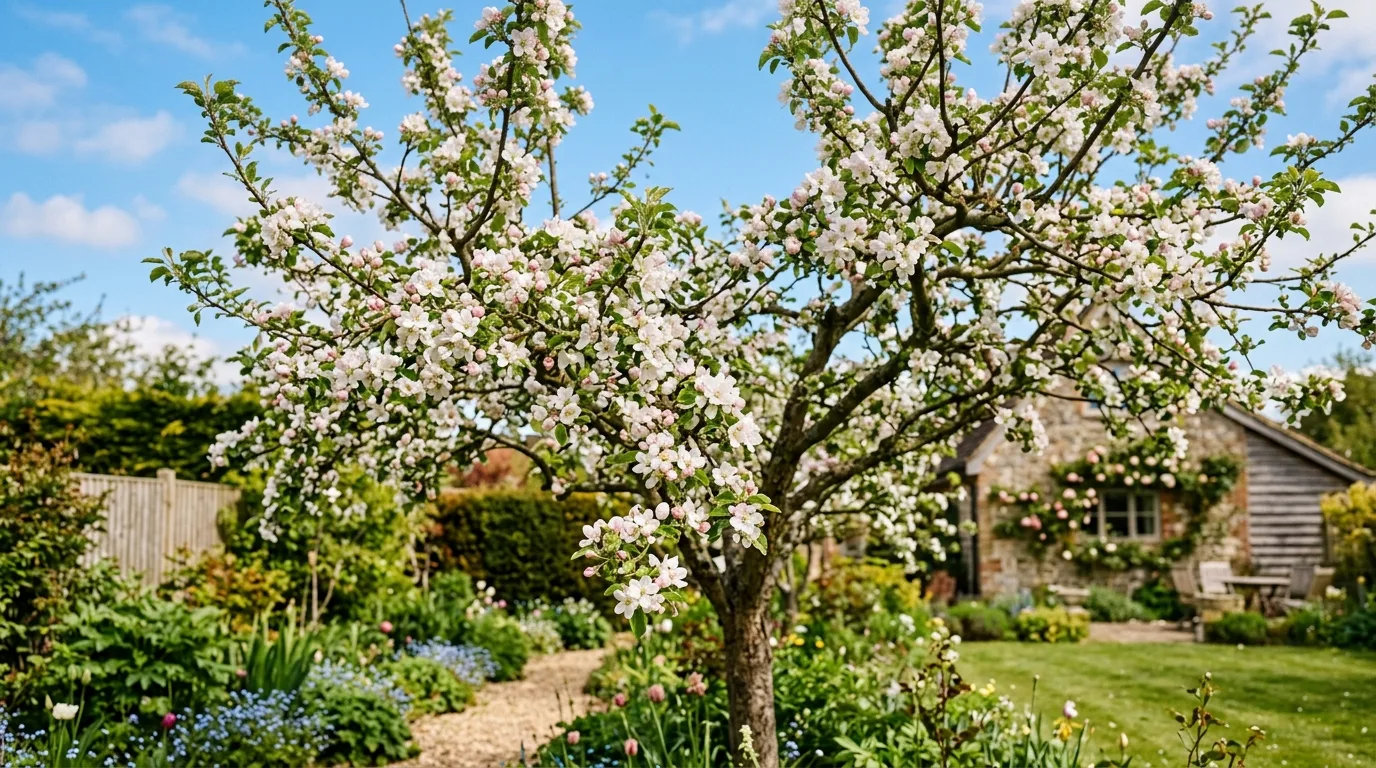
Pollination. Walnuts are wind pollinated. Each tree carries both male catkins and female flowers, but on many trees the two open at different times, so a single tree often sets a light crop. Planting a second variety whose pollen is released while the first tree's female flowers are open nearly always improves the harvest.
Watering. Water young trees deeply through their first few summers. Established trees have deep roots, but a soak in a dry summer helps the kernels fill.
Feeding. Spread compost or well rotted manure under the canopy in late winter. Mature walnuts on good soil need little else.
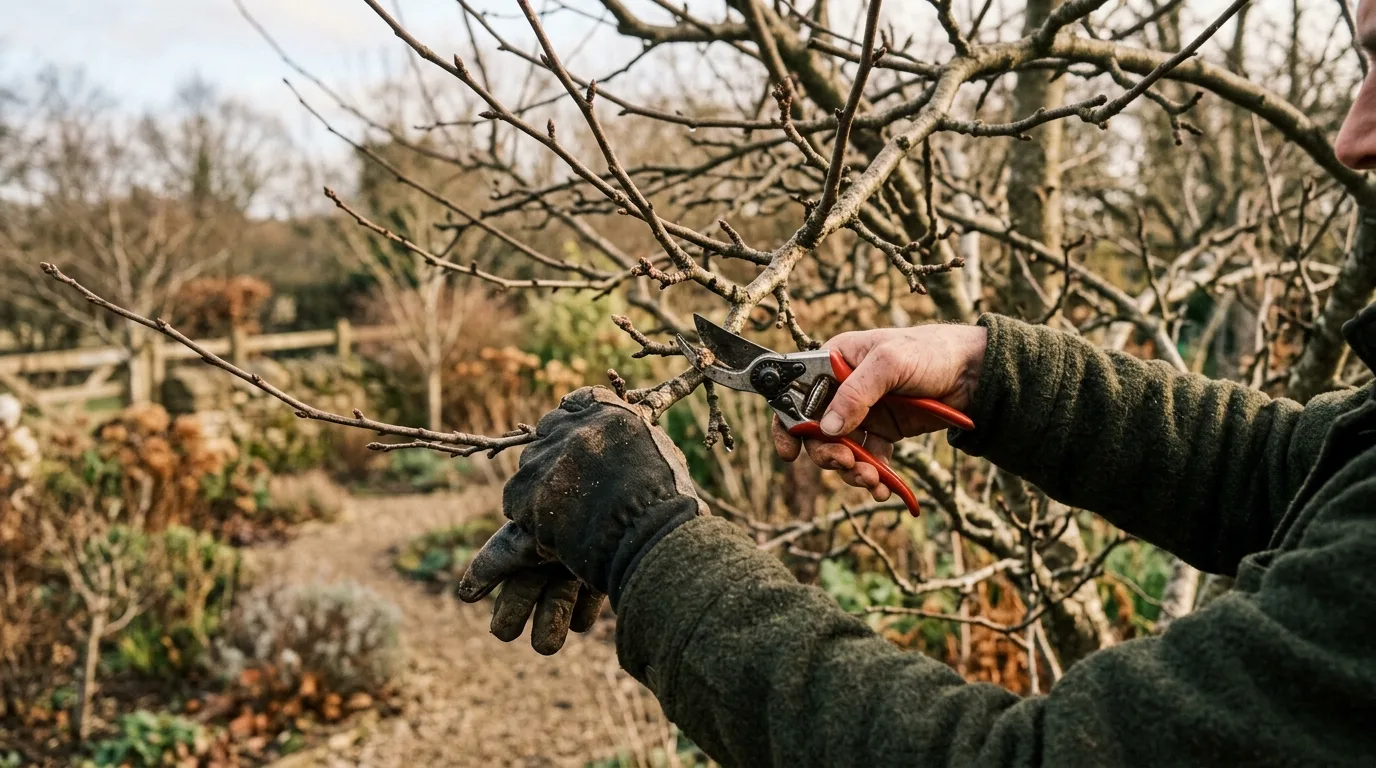
Pruning. Walnuts bleed sap heavily if cut in late winter or spring. Do any pruning in late summer or early autumn. Keep it light: shape a young tree around a central leader with well spaced branches, and later remove only dead, damaged or crossing wood. See our guide to pruning fruit trees.
Pests and Diseases
- Walnut blight: A bacterial disease that causes black spots on leaves and black, sunken patches on the young nuts. It spreads in wet, humid springs. Choose late leafing varieties, which flower after the wettest weather, and clear up fallen infected nuts and leaves.
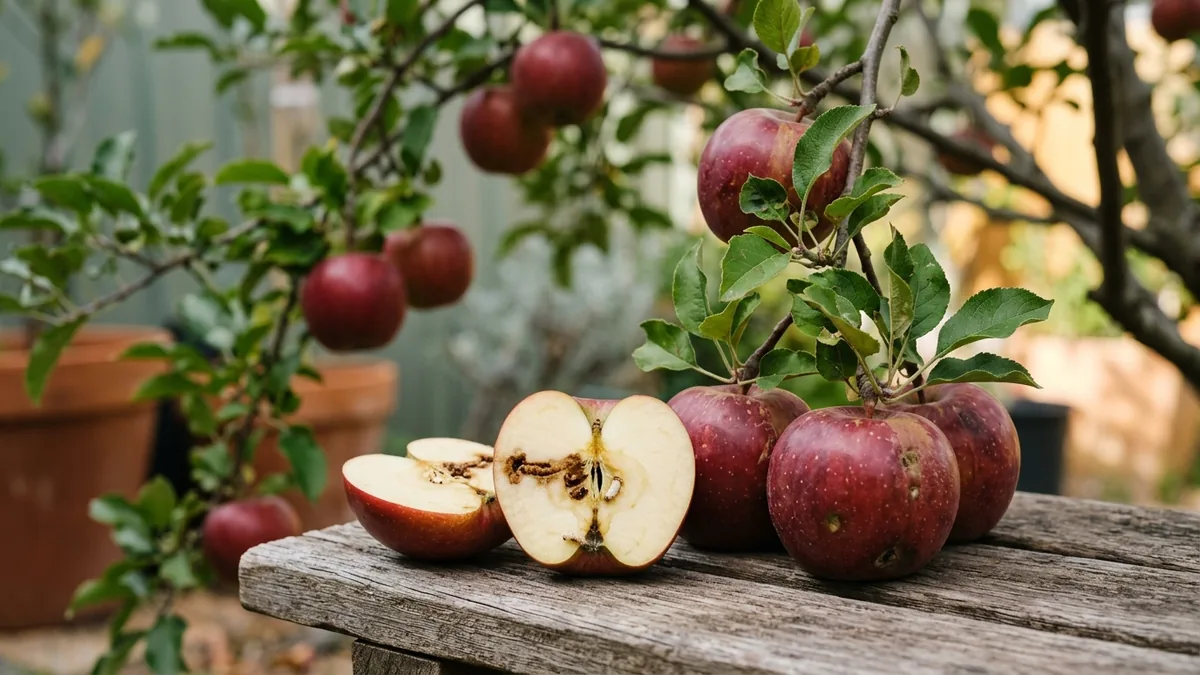
- Codling moth: The same caterpillar that tunnels into apples also bores into walnuts, leaving a hole and frass in the kernel. Pheromone traps show when the moths are flying, and removing fallen nuts early breaks the cycle.
- Birds, possums and rats: All take the nuts once the husks split. A metal collar on the trunk keeps possums from climbing, and collecting nuts every day keeps rats from building up.
Harvest and Storage
Walnuts ripen in autumn. When they are ready the green husks crack open and the nuts start to drop. Gather them every day or two. Wear gloves to remove any husk still attached, because the juice stains skin brown for days.
Wash off any husk residue, then dry the nuts in a single layer somewhere airy and out of the sun for two to three weeks, turning them now and then. They are ready when the kernel snaps cleanly and the papery divider inside is brittle. Store dry nuts in the shell in a cool, dry, rodent proof container, where they keep for months. Shelled walnuts freeze well.
Track Your Walnut Tree
Add walnuts to your garden in the Planting Season app and get reminders for pruning, pest checks and harvest time.
Open the App →Frequently Asked Questions
How long does a walnut tree take to produce nuts?
A grafted walnut usually starts to crop in about four years, with the harvest building steadily as the tree grows. Seedling trees take longer and their nuts vary in quality.
Do walnut trees need a pollinator?
A single walnut can set nuts, but its male and female flowers often open at different times, so crops are usually light. Planting a second variety whose flowering overlaps gives a much better set.
Can I grow walnuts in Northland?
Walnuts are not suited to Northland. The winters are too mild to give the chill they need for a reliable crop, and the humidity brings walnut blight. They grow well in every other region, especially the cooler south.
What can I plant under a walnut tree?
Walnut roots and leaves release juglone, which stunts some plants, including tomatoes and apples. Keep vegetable beds and fruit trees out of the root zone, and use grass or tolerant shrubs under the canopy instead.
See also: Walnuts in the Plant Library