
Paste Tomatoes
Updated June 2026
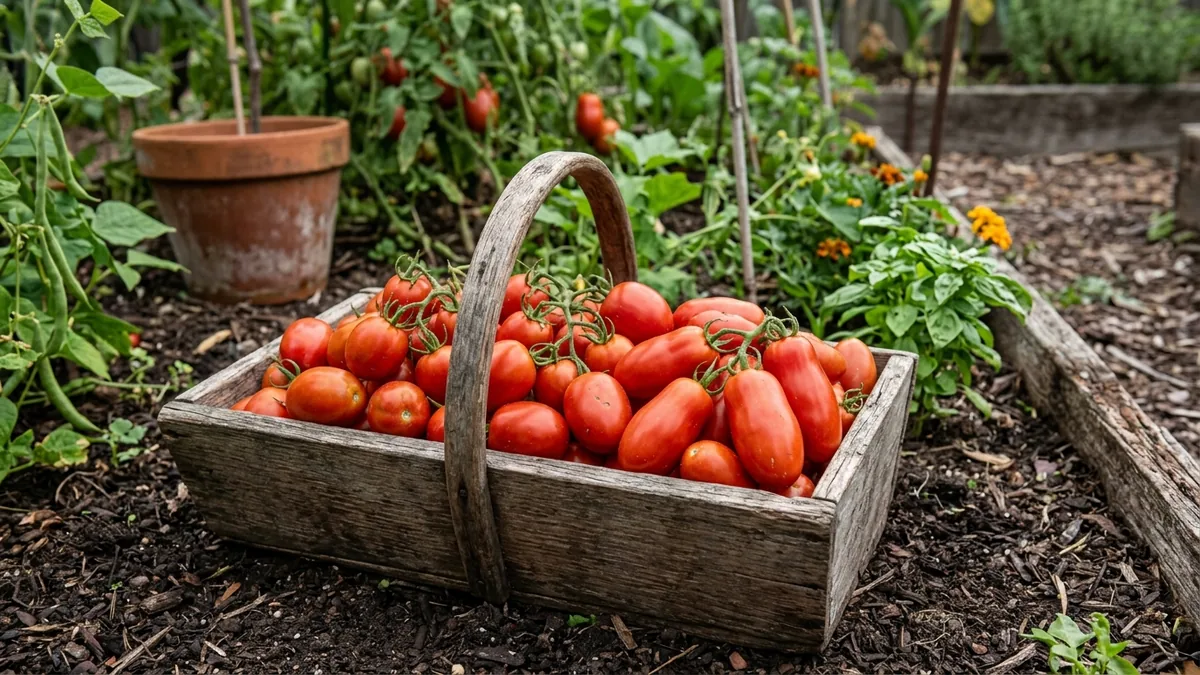
The best varieties for sauce, passata and bottling, and how to grow a big batch in New Zealand
If you want a pantry stocked with your own passata and bottled sauce, you grow paste tomatoes. These are the meaty, low-moisture types bred for the kitchen rather than the salad bowl, and they turn a summer glut into jars of red gold with far less effort than a watery salad tomato ever could.
This guide covers what makes a paste tomato different, the best varieties to grow, and how to plan a crop big enough for a proper bottling day. Use the variety picker below to match a paste tomato to what matters most to you.
Paste Tomato Variety Picker
There is no single best paste tomato, only the best one for how you want to grow and cook. Tell the picker what matters most and it will recommend a variety to start with.
Which paste tomato should I grow?
Want flavour above all? San Marzano is the famous long Italian indeterminate sauce tomato, and Speckled Roman is a meaty red-and-gold striped heirloom with a wonderful rich flavour. Both reward a long warm season.
Why Grow Paste Types
Salad tomatoes are juicy and full of seeds, which is lovely raw but a problem in the pot, where all that water has to boil away before the sauce thickens. Paste tomatoes solve that.
- Thick, meaty flesh. Dense walls and little hollow space mean more sauce per fruit.
- Low moisture. Less water to cook off, so the sauce thickens faster and tastes more concentrated.
- Few seeds. Less to strain out, and a smoother result.
- They cook down well. Paste types hold their flavour through long, slow cooking, which is exactly what sauce and passata need.
Determinate or Indeterminate
Paste tomatoes come in both habits, and the difference matters a lot when you are planning a bottling day.
- Determinate (bush) types. Roma and Roma VF grow to a set size and ripen one concentrated flush of fruit. That is perfect if you want to pick a big load all at once for a single sauce-making session. They need little pruning and stay compact.
- Indeterminate (vine) types. San Marzano, Amish Paste and Speckled Roman keep growing and fruiting in waves over a long season. You harvest steadily rather than all at once, so freeze or bottle in batches. They need staking and regular removal of side shoots.
Growing for a Big Batch
To stock the pantry, you need volume. As a rough guide, four to six plants give a small household a good run of fresh sauce and a batch or two to bottle, while eight to twelve plants set you up for serious bottling.
- Pick your habit to suit your plan. Grow determinate Roma if you want one big harvest for a single cook-up. Grow indeterminate types if you would rather freeze fruit in waves and cook when you have enough.
- Full sun and rich soil. Give them at least 6 to 8 hours of sun and dig in plenty of compost and aged manure before planting.
- Space for airflow. Set plants about 50 to 60 cm apart so they dry quickly after rain, which keeps fungal disease down.
For the kitchen side of the job, see our passata and bottling guide.
Watering and Feeding
Even, consistent watering is the most important thing with paste tomatoes, which are quite prone to blossom end rot. Water deeply at the base, keep the soil evenly moist, and mulch thickly with straw or pea straw to buffer the moisture.
Feed with compost and aged manure at planting, then switch to a potassium-rich tomato fertiliser once the first flowers appear, feeding every one to two weeks through fruiting. Ease off nitrogen once flowering starts, or you will get a leafy green bush and few tomatoes.
Common Problems
Blossom end rot
A dark, sunken patch on the base of the fruit, caused by a calcium shortage in the developing tomato that is almost always triggered by uneven watering rather than a lack of calcium in the soil. Paste types are especially prone to it. Water deeply and regularly, mulch to hold steady moisture, and it usually clears up on later fruit.
Fruit cracking
Splits in the skin after rain or a heavy soak following a dry spell, when the fruit swells faster than the skin can stretch. Water evenly, mulch well, and pick fruit promptly once it starts to colour, especially before forecast rain.
When to Plant in New Zealand
Paste tomatoes are frost-tender, so plant them out only after the last frost in spring, once the soil and nights have warmed, roughly September to December depending on your region. The warm north has a long window that suits indeterminate types right through the season. In the cold south the season is short, so lean on early determinate types like Roma and start seed indoors 6 to 8 weeks before your last frost for a head start.
| Region | Best planting window | Notes |
|---|---|---|
| Warm north (Northland, Auckland) | Sep to Dec | Long window, ideal for San Marzano and other indeterminate types |
| Central (Waikato, Bay of Plenty, Wellington, Nelson) | Oct to Dec | Plant out once frost risk passes, both habits do well |
| Cool south (Canterbury, Otago, Southland) | Late Oct to Dec | Short season, choose early Roma types and start seed indoors |
Plan Your Sauce Garden in the App
Add your paste tomatoes, pick the variety from the in-app dropdown, and get reminders for feeding, staking and harvest tuned to your New Zealand region, so your bottling day lands right.
Open the App →Best Paste Tomato Varieties
Every variety below is a real one grown in New Zealand gardens. Days are a rough guide from transplanting to first ripe fruit.
| Variety | Habit | Days | Note |
|---|---|---|---|
| Roma | Determinate | 75 | The classic sauce tomato. Crops in one concentrated flush, ideal for a single bottling day. |
| San Marzano | Indeterminate | 80 | The famous long Italian sauce tomato. Meaty, low-moisture fruit that cooks into a rich passata. |
| Amish Paste | Indeterminate | 85 | Heirloom paste with more flavour than most. Larger, slightly heart-shaped fruit, excellent cooked. |
| Speckled Roman | Indeterminate | 85 | Striking red-and-gold striped heirloom. Meaty and richly flavoured for sauce and roasting. |
| Roma VF | Determinate | 75 | Improved Roma with verticillium and fusarium resistance. Reliable and early for a quick bush crop. |
Plan Your Varieties in the App
This guide helps you choose a paste tomato. The Planting Season app helps you grow it. When you add a tomato to your garden you can choose your variety from the in-app dropdown, and the app tracks it from sowing through to harvest with reminders tuned to your New Zealand region. Grow a determinate Roma for one big cook-up and a cherry tomato for snacking, all on the one plan.
Frequently Asked Questions
What is a paste tomato?
A paste tomato, also called a sauce or plum tomato, has thick, meaty flesh, few seeds and low moisture. That means it cooks down into a rich sauce or passata far faster than a watery salad tomato, with less boiling needed and a thicker result. Roma is the best known, with San Marzano, Amish Paste and Speckled Roman also popular.
What is the best tomato for making sauce or passata?
For a reliable big batch, Roma is the classic choice and crops in one concentrated flush, which is ideal for a single bottling day. For the richest flavour, San Marzano is the famous Italian sauce tomato, and Amish Paste is a heirloom with more flavour than most paste types. Use the variety picker above to match a type to what matters most to you.
Are paste tomatoes determinate or indeterminate?
It depends on the variety. Roma and Roma VF are determinate bush types that ripen one concentrated flush, perfect for a single sauce-making session. San Marzano, Amish Paste and Speckled Roman are indeterminate vines that fruit in waves over a long season, so you harvest steadily and freeze or bottle in batches.
How many paste tomato plants do I need for sauce?
As a rough guide, four to six healthy plants will give a small household a good run of sauce and a batch or two to bottle. For serious bottling to stock the pantry for the year, grow eight to twelve plants. Determinate types like Roma make this easier because they ripen together for a single big cook-up.
Why do my paste tomatoes get blossom end rot?
Blossom end rot is the dark sunken patch on the base of the fruit, caused by a calcium shortage in the developing tomato that is almost always triggered by uneven watering. Paste types are quite prone to it. Water deeply and consistently, mulch to hold steady soil moisture, and it usually clears up on later fruit.
When should I plant paste tomatoes in New Zealand?
Plant paste tomatoes out after the last frost in spring, once the soil and nights have warmed, roughly September to December depending on your region. The warm north has a long window for indeterminate types, while the cold south should lean on early determinate types like Roma and start seed indoors for a head start.
Can I freeze paste tomatoes instead of bottling them?
Yes. If you grow indeterminate paste types that ripen in waves, freezing is the easy option. Wash and freeze them whole in bags, then cook a big batch when you have enough, or cook down as you go and freeze the sauce. Determinate types that ripen all at once suit a single bottling day instead.
See also: How to Grow Tomatoes and Tomato in the Plant Library