Pest Management Guide
Updated June 2026
Organic pest control for aphids, caterpillars, guava moth, slugs, whitefly, and scale
Every garden has pests. The goal is not to eliminate them entirely but to keep damage at manageable levels using methods that do not harm beneficial insects, soil life, or your health. Organic pest management works by building a balanced garden ecosystem where predators keep pest numbers in check, and targeted sprays handle outbreaks.
This guide covers the most common garden pests here and the organic sprays that actually work.
Common Garden Pests
Aphids
Small, soft-bodied insects that cluster on new growth, buds, and leaf undersides. They suck sap, distort growth, and excrete sticky honeydew that attracts sooty mould. Green, black, grey, and orange types are common.
Control: Blast off with a strong jet of water. Spray with soapy water (1 tablespoon liquid soap per litre of water) or neem oil. Encourage ladybirds, lacewings, and hoverflies, which eat aphids in large numbers.
Caterpillars
Larvae of moths and butterflies that chew holes in leaves, fruit, and stems. The cabbage white butterfly caterpillar is the most common pest of brassicas. Other types attack tomatoes, corn, and fruit trees.
Control: Handpick visible caterpillars. Spray with Dipel (Bacillus thuringiensis/Bt), a biological insecticide that only affects caterpillars and is safe for bees, beneficial insects, and humans. Reapply after rain.
Guava Moth
Guava moth is the fruit pest that matters most in the warmer parts of the country, and it has spread steadily south since it arrived. The moth lays on developing fruit and the caterpillar tunnels in, so the damage stays invisible until you cut the fruit open. It goes after feijoa, citrus, apples, peaches, pears, plums and nuts.
Control: net the tree once flowering has finished, so the fruit is pollinated first, and pin the net down rather than draping it. Pheromone traps catch the males and tell you when the moth is active. Pick up every piece of fallen fruit and bin it sealed, never compost it, because that is where the next generation comes from. No spray controls it well on its own.
New Zealand is free of Queensland fruit fly, and Biosecurity New Zealand runs a national trapping programme to keep it that way. If you ever find maggots in fruit, report it on 0800 80 99 66 rather than dealing with it yourself.
Feed at night on soft foliage, seedlings, and strawberries. Leave silvery slime trails. Most active in wet weather.
Control: Iron-based snail pellets (sold as pet-safe and wildlife-safe) are the most effective option. Beer traps (a shallow dish of beer sunk into the ground) attract and drown slugs. Copper tape around pots creates a barrier. Water in the morning so the soil surface is drier at night.
Whitefly
Tiny white flying insects that cluster on leaf undersides. They suck sap and produce honeydew. Common on tomatoes, brassicas, and ornamentals.
Control: Yellow sticky traps catch adults. Spray leaf undersides with neem oil or soapy water. Encouraging beneficial insects (lacewings, parasitic wasps) provides long-term control.
Scale
Small, brown or white bumps on stems and leaves. Scale insects are stationary sap-suckers protected by a waxy shell. They weaken plants and produce sooty mould via honeydew. Common on citrus, olives, and many ornamentals.
Control: Spray thoroughly with white oil (horticultural oil), making sure to cover all surfaces. Two applications 2 to 3 weeks apart. For small infestations, scrub off with an old toothbrush dipped in soapy water.
Organic Spray Guide
Neem Oil
Made from the neem tree. Works as an insecticide, fungicide, and insect repellent. Disrupts feeding and breeding in a wide range of pests including aphids, whitefly, caterpillars, and mites.
- Mix: 5 ml neem oil + 2 ml liquid soap per litre of water
- Spray in the evening (neem breaks down in sunlight)
- Coat all leaf surfaces, especially undersides
- Repeat every 7 to 14 days during outbreaks
- Low toxicity to bees if sprayed in the evening when bees are not foraging
White Oil (Horticultural Oil)
Smothers soft-bodied insects and scale by blocking their breathing pores. Effective against scale, aphids, mites, and mealybugs.
- Buy ready-made or make your own: blend 2 cups vegetable oil with 1 cup dishwashing liquid. Dilute 1 tablespoon of this concentrate per litre of water.
- Spray on a cool, dry day (not above 30 degrees)
- Cover all surfaces thoroughly
- Do not use on plants under water stress
Dipel (Bacillus thuringiensis / Bt)
A biological insecticide containing bacteria that kill caterpillars specifically. Safe for bees, ladybirds, humans, and pets. The gold standard for caterpillar control.
- Mix according to packet directions
- Spray on leaves where caterpillars are feeding
- Caterpillars stop feeding within hours and die within 2 to 3 days
- Reapply after rain and every 7 to 10 days during heavy infestations
Pyrethrum
Made from chrysanthemum flowers. A broad-spectrum organic insecticide that kills on contact. Effective against aphids, whitefly, thrips, and many other insects.
- Spray in the evening (breaks down rapidly in sunlight)
- Kills beneficial insects as well as pests, so use as a last resort
- Very short residual period (hours, not days)
- Do not spray on flowers where bees are active
Building a Pest-Resistant Garden
Sprays are a short-term fix. A genuinely pest-resistant garden relies on:
- Healthy soil: Plants growing in rich, living soil are naturally more resistant to pest damage
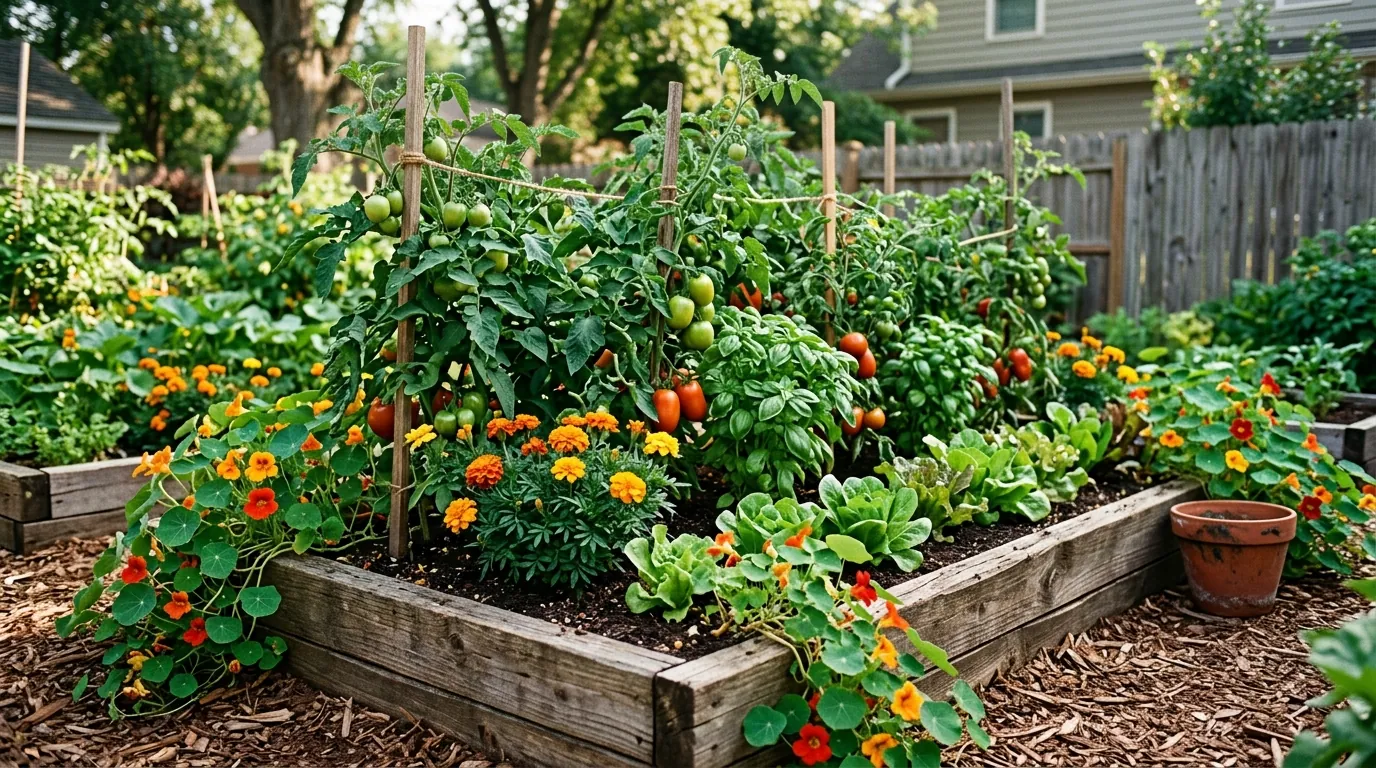
- Diversity: Mixed plantings with flowers, herbs, and vegetables attract beneficial insects and confuse pests
- Beneficial insects: Ladybirds, lacewings, hoverflies, and parasitic wasps eat pest insects. Plant flowers (alyssum, marigolds, dill, fennel) to attract them
- Companion planting: Strategic plant combinations can reduce pest pressure (see our companion planting guide)
- Good hygiene: Remove dead plant material, fallen fruit, and diseased leaves to reduce pest breeding sites
- Crop rotation: Do not plant the same crop family in the same spot year after year. This breaks pest and disease cycles
Pest and Disease Identification
Use these photos to identify common garden pests, diseases, and beneficial insects.
Common Pests
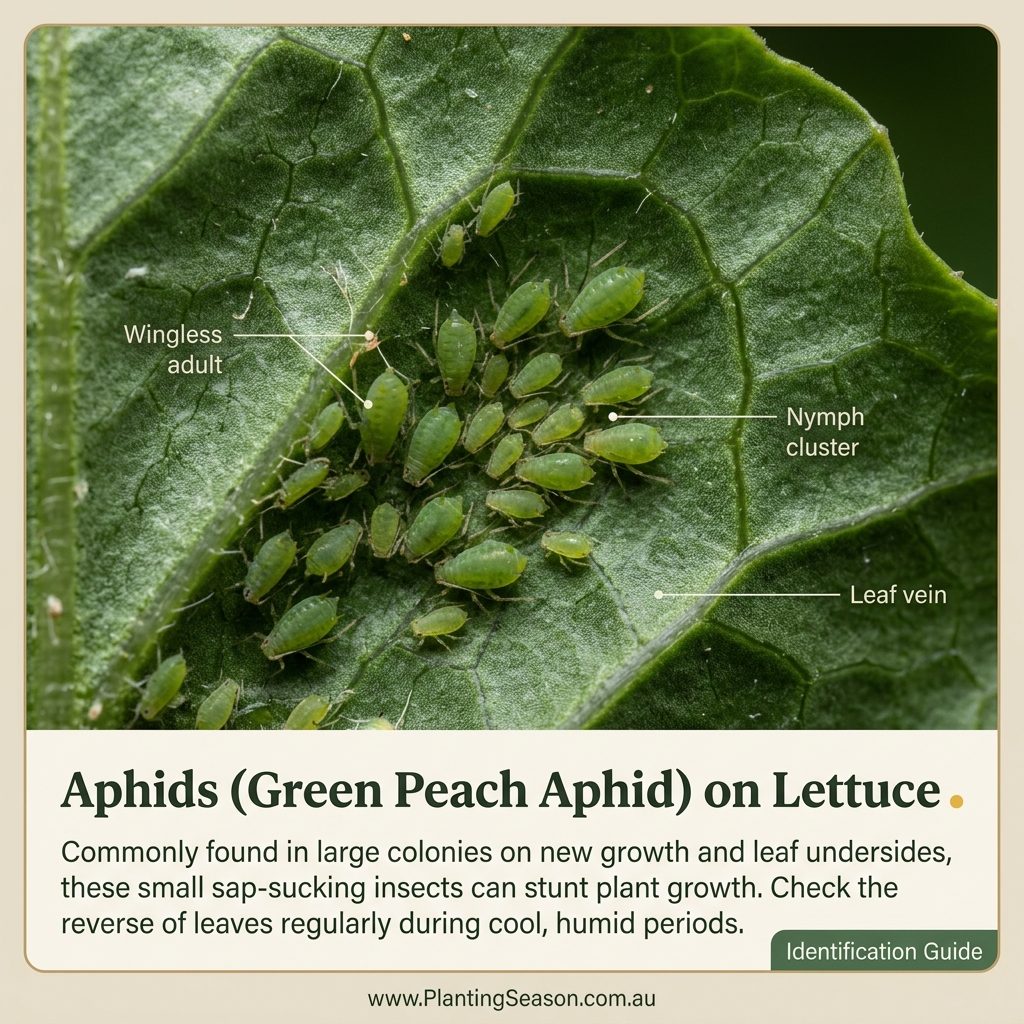
Aphids
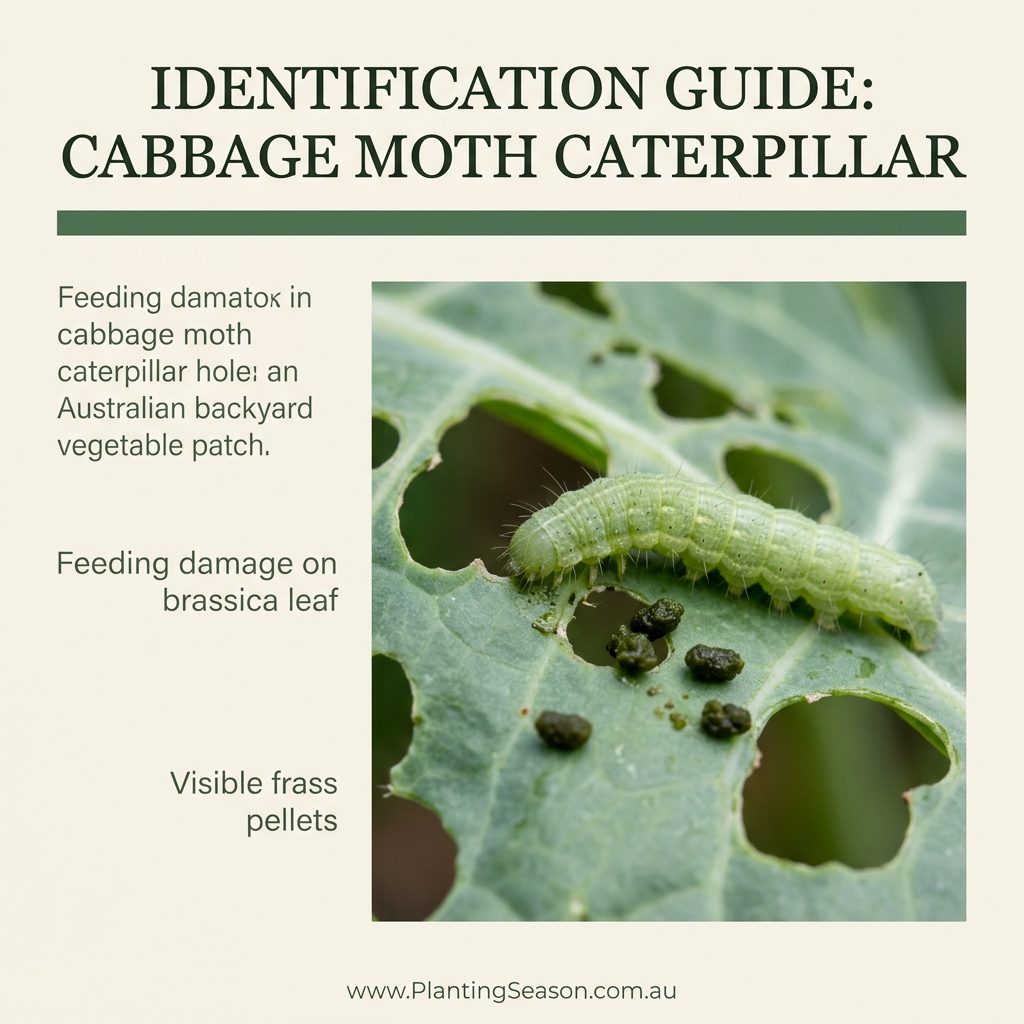
Caterpillar Cabbage Moth
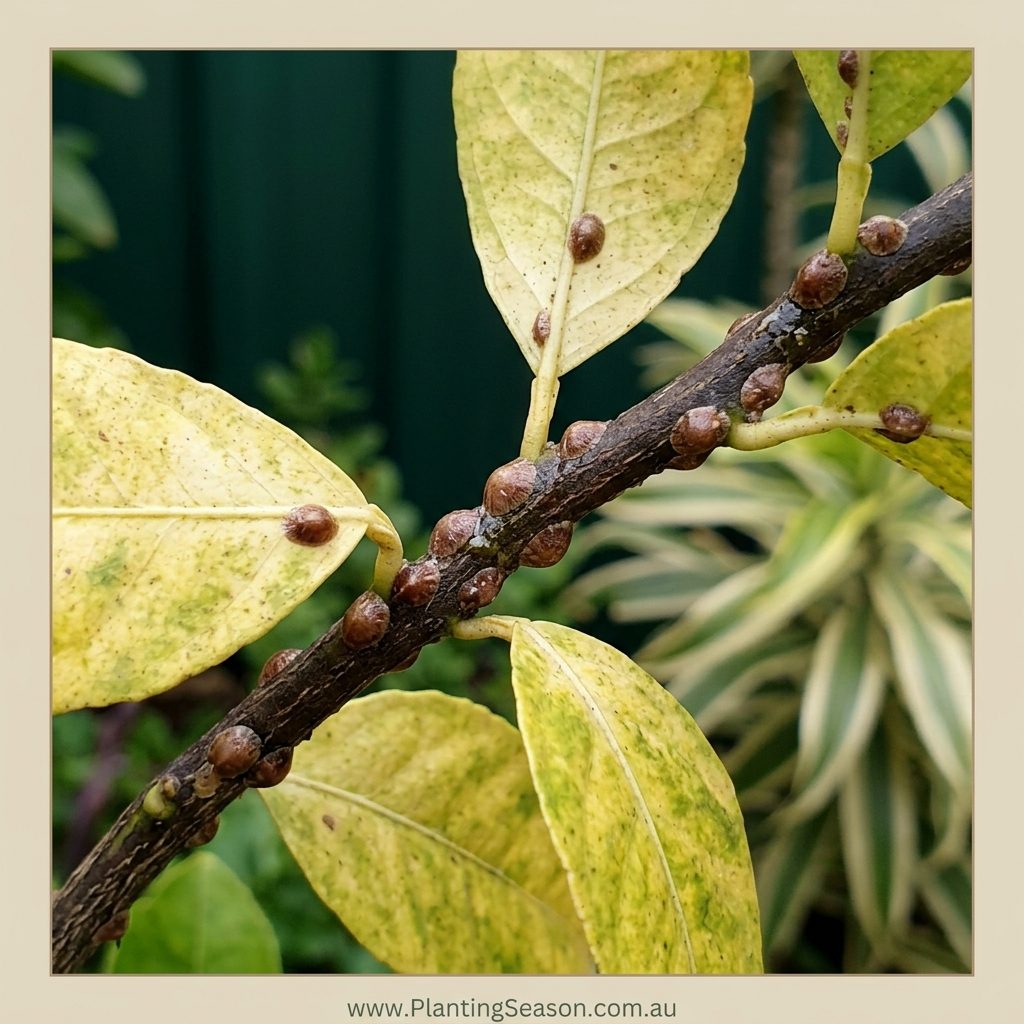
Scale Insects
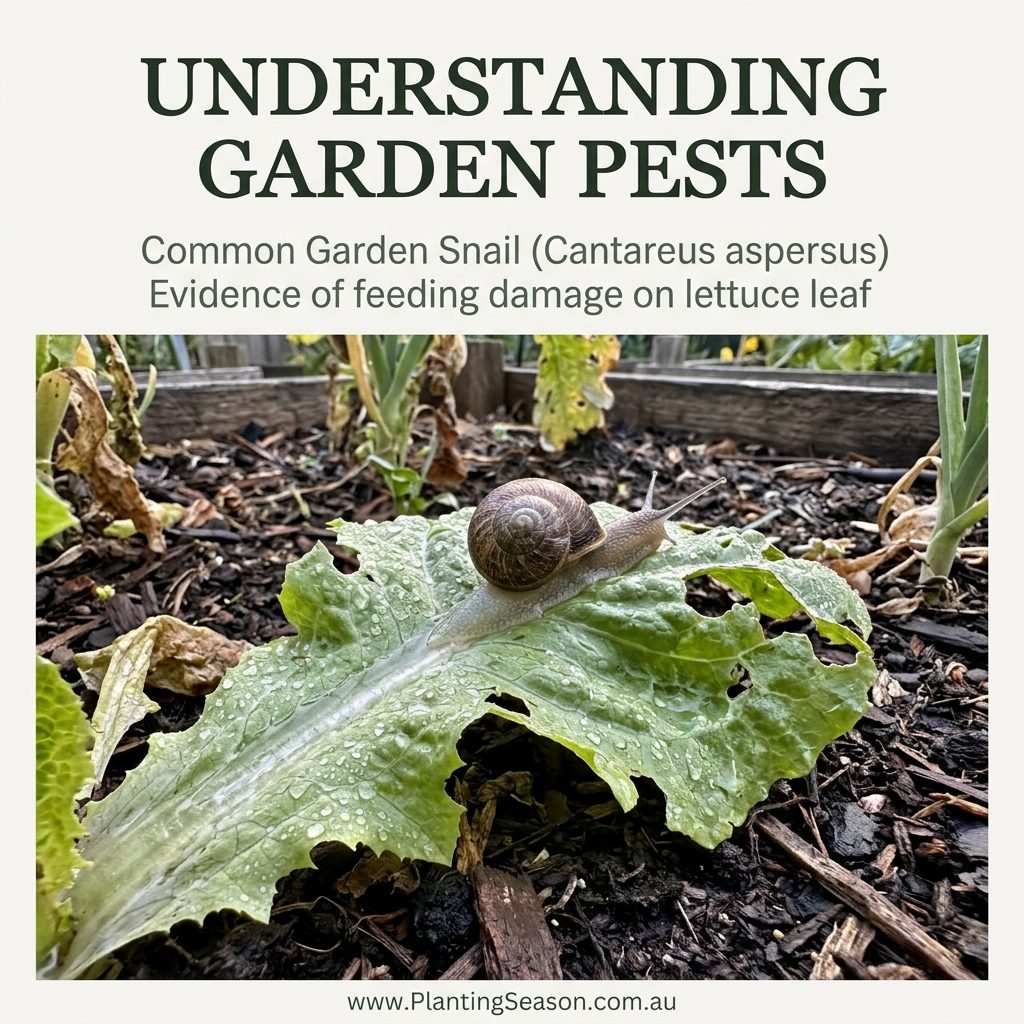
Snails Slugs
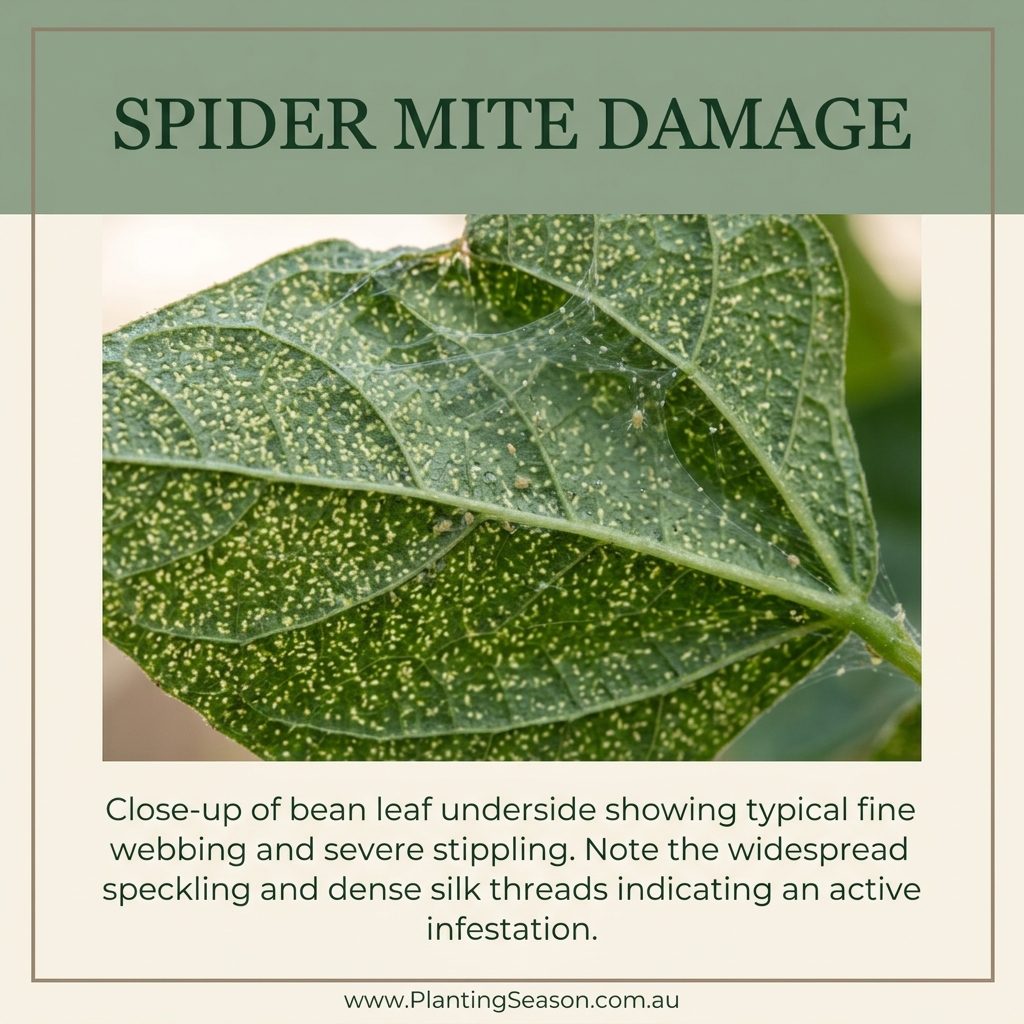
Spider Mites
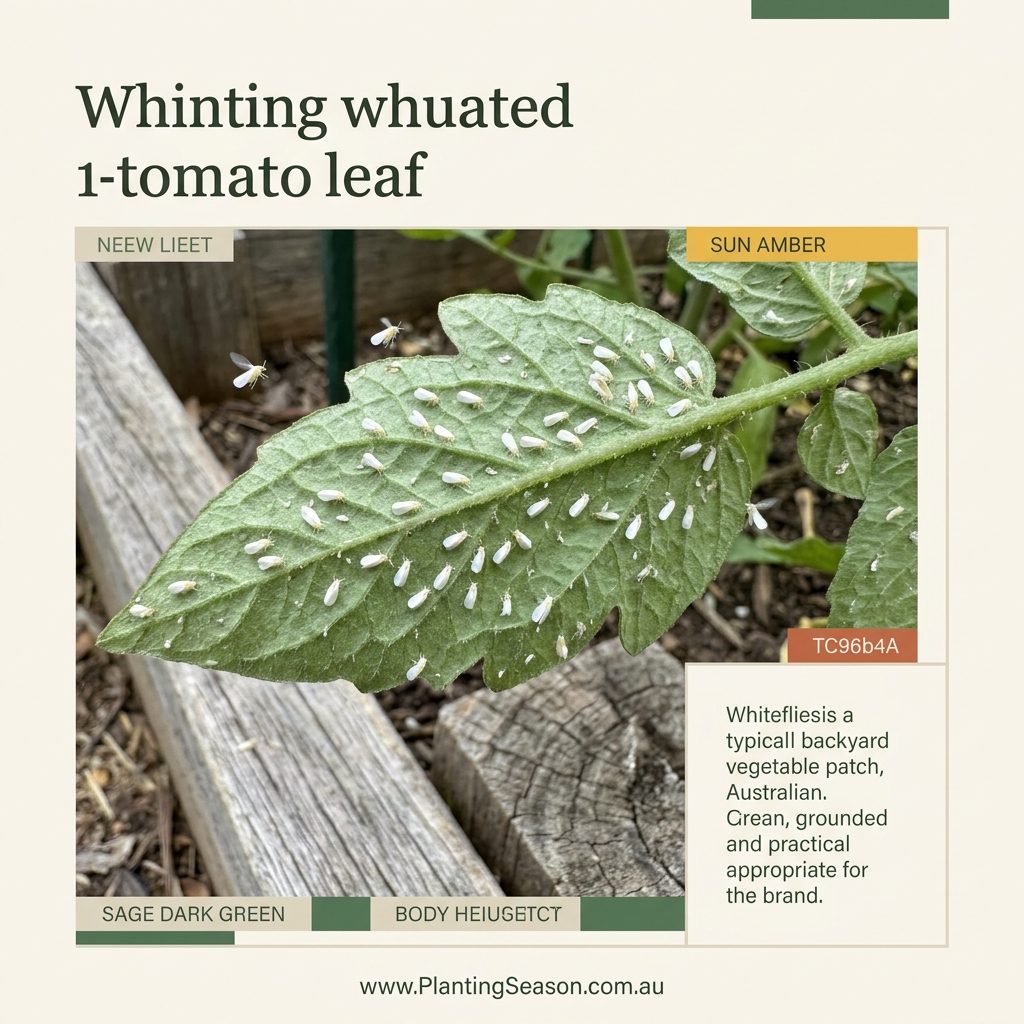
Whitefly
Common Diseases
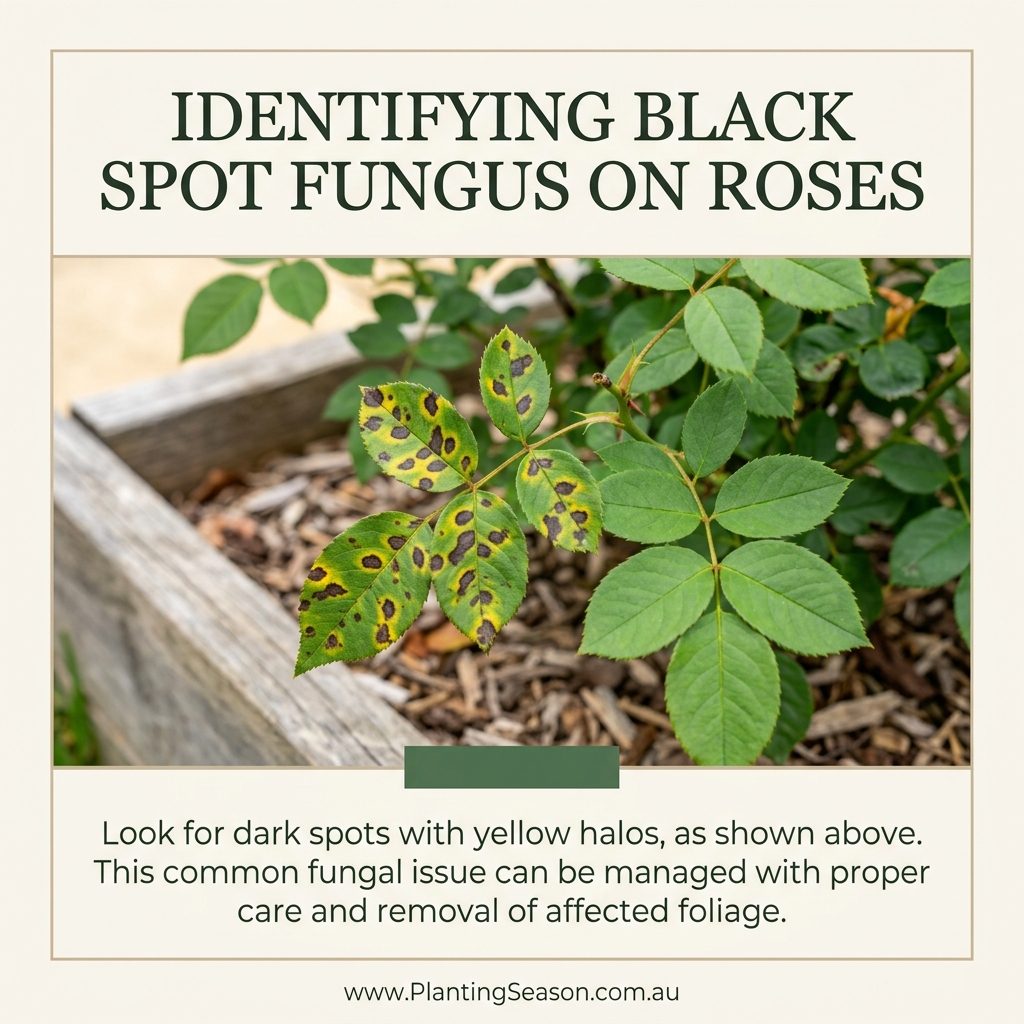
Black Spot
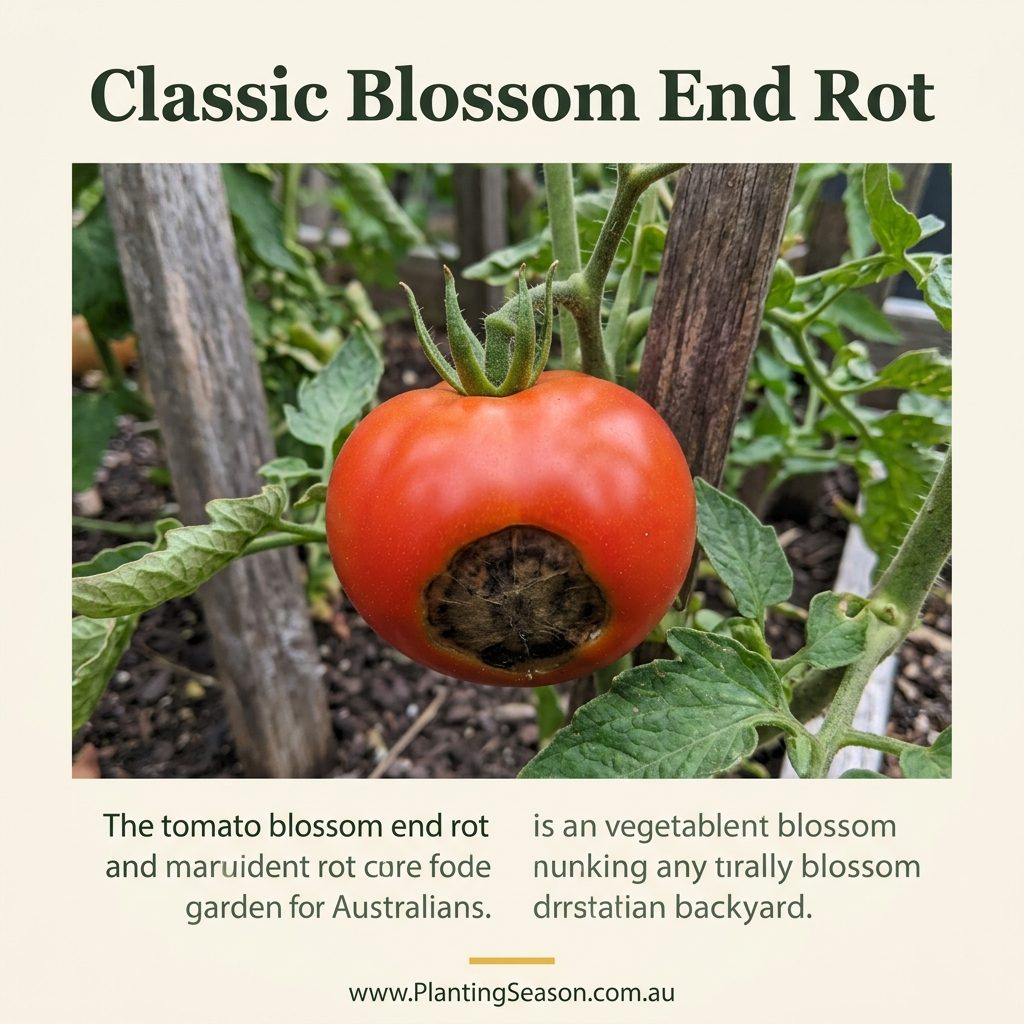
Blossom End Rot
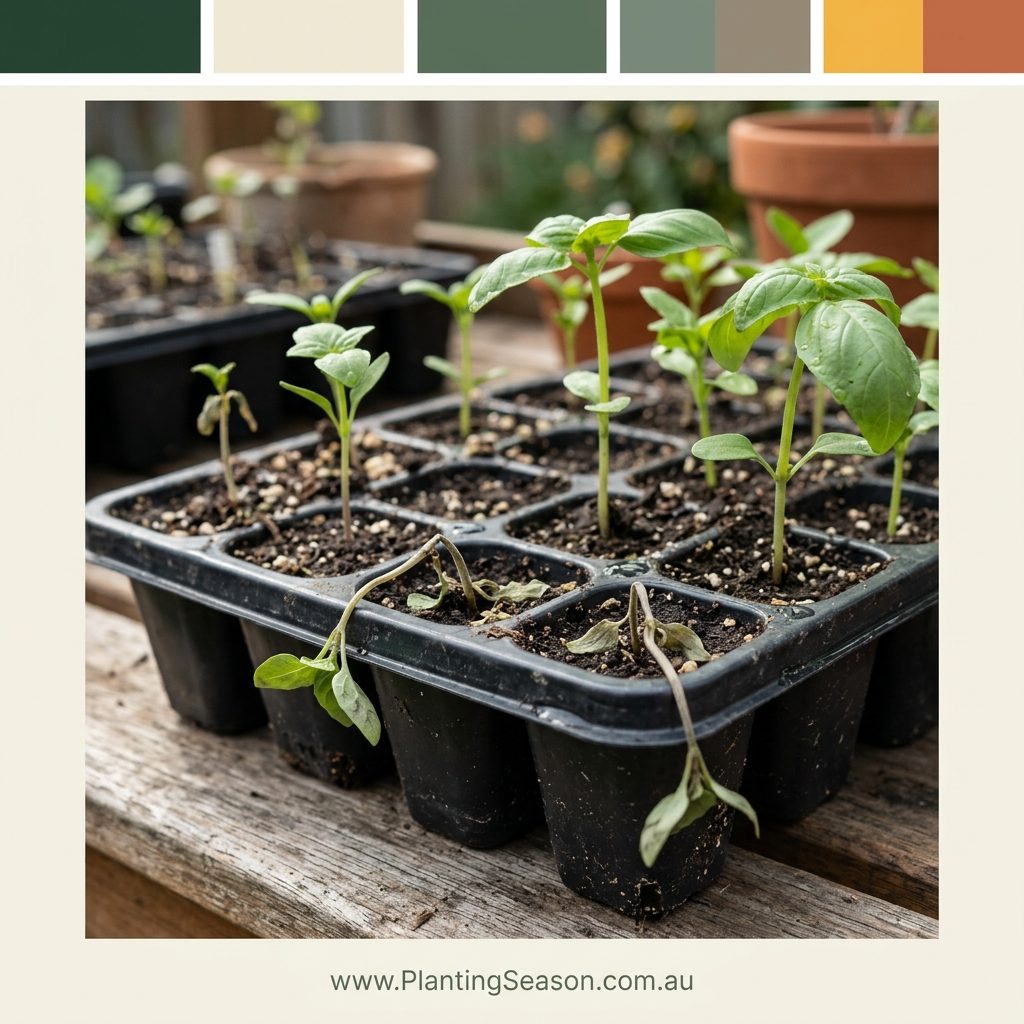
Damping Off
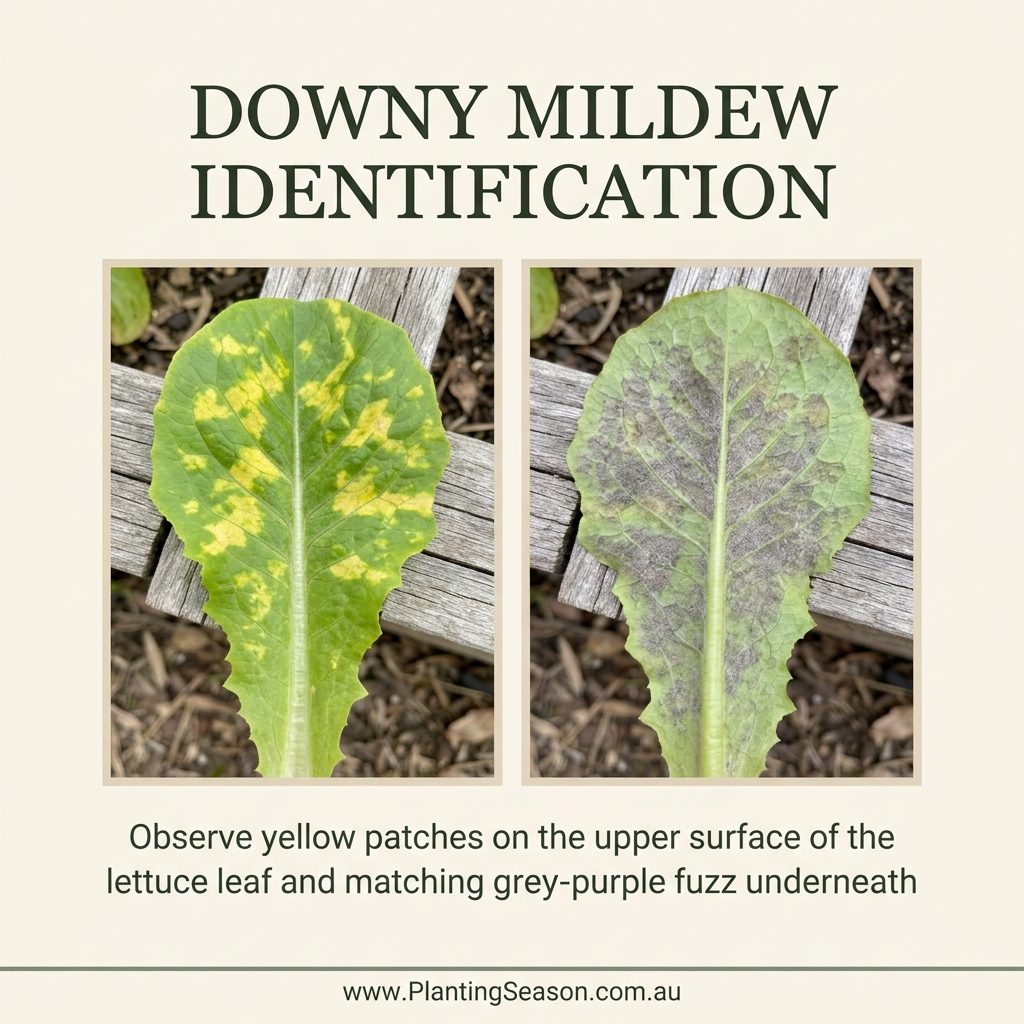
Downy Mildew
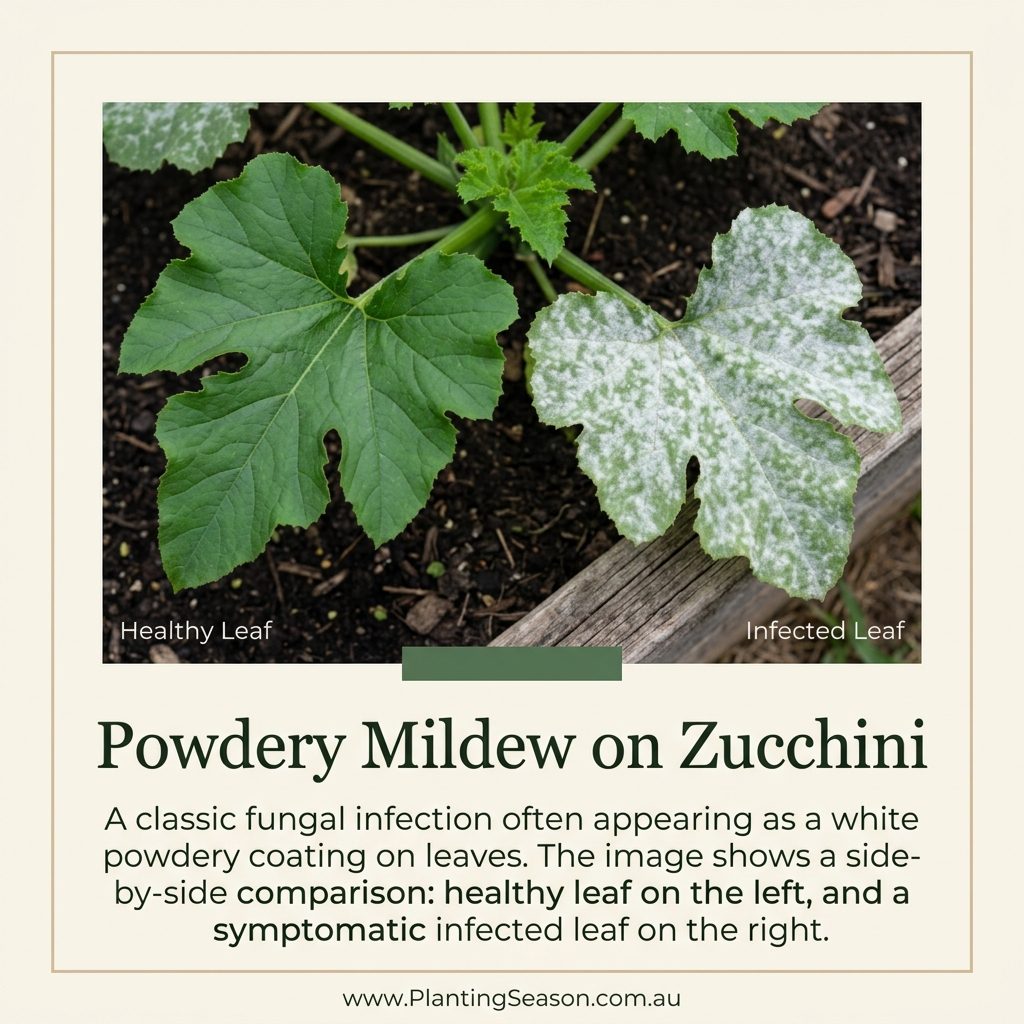
Powdery Mildew
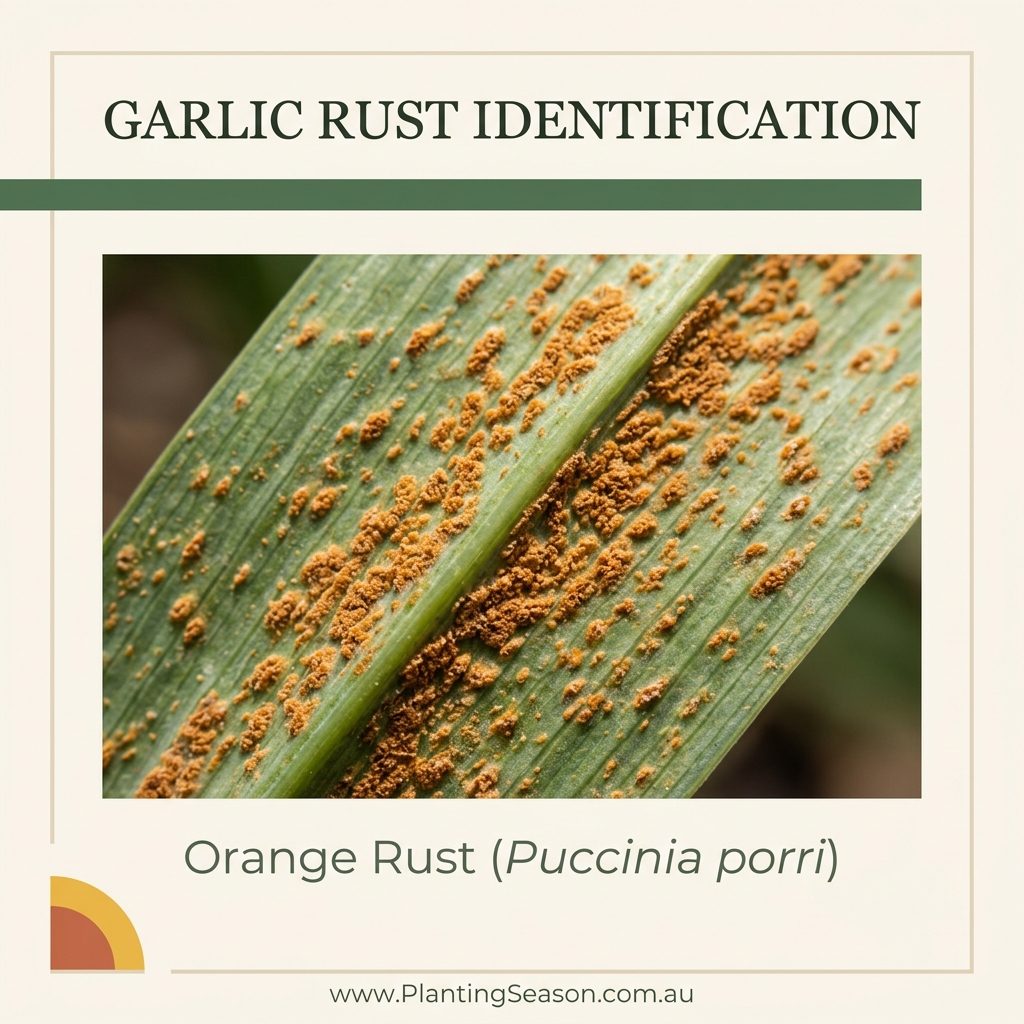
Rust
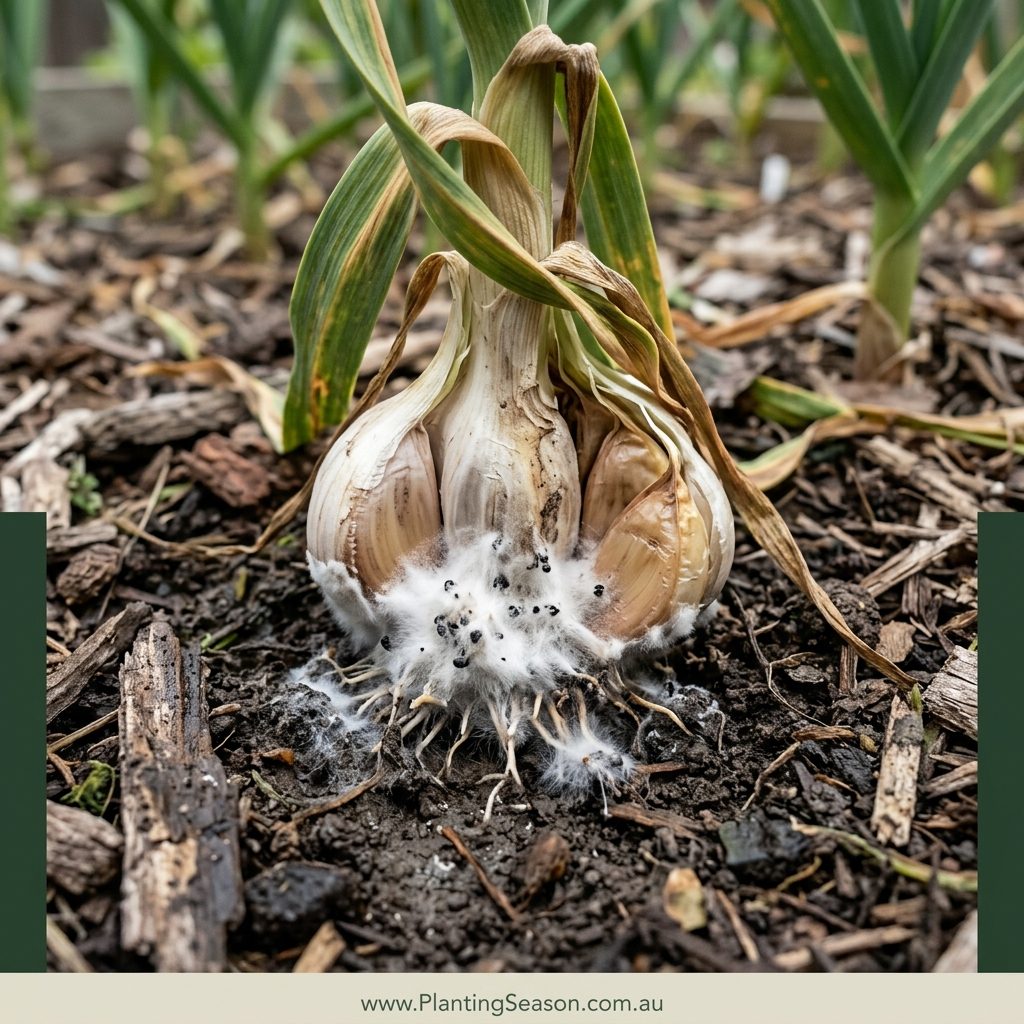
White Rot
Beneficial Insects
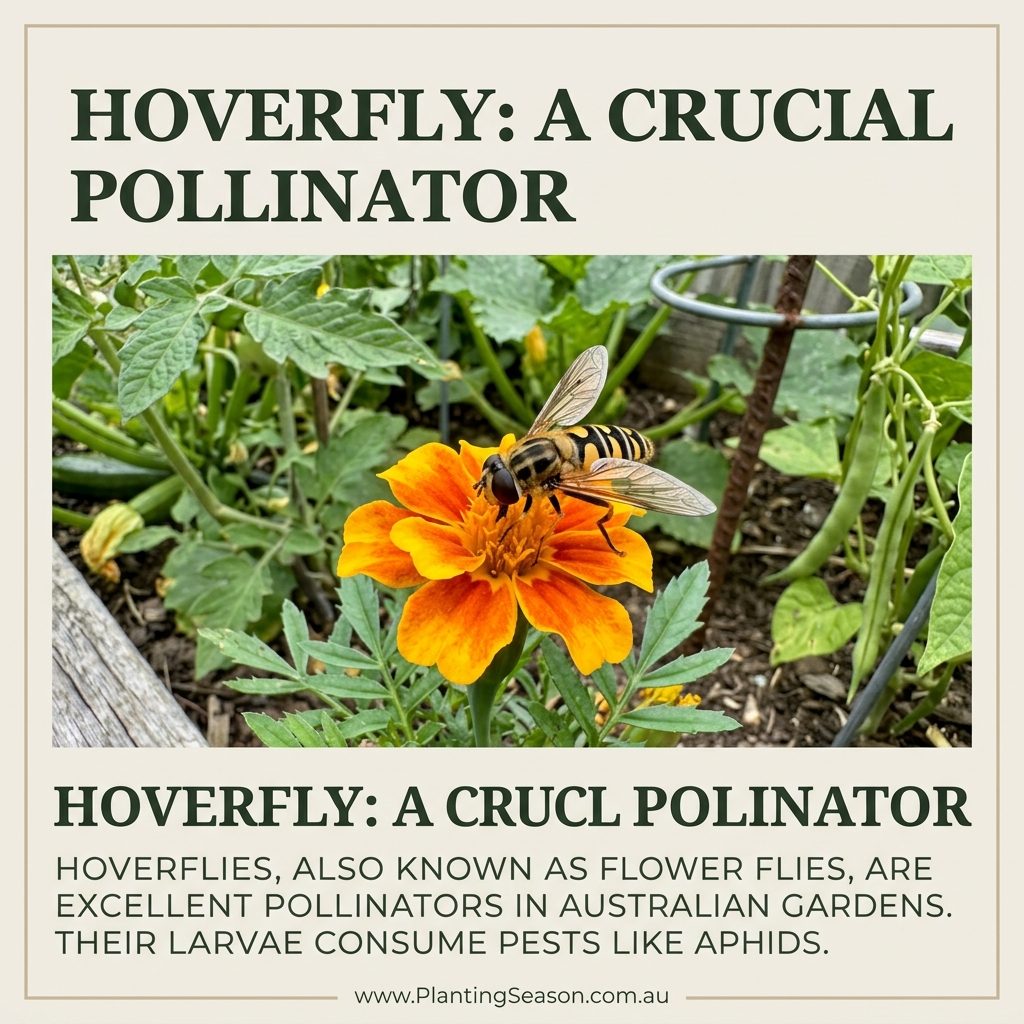
Hoverfly
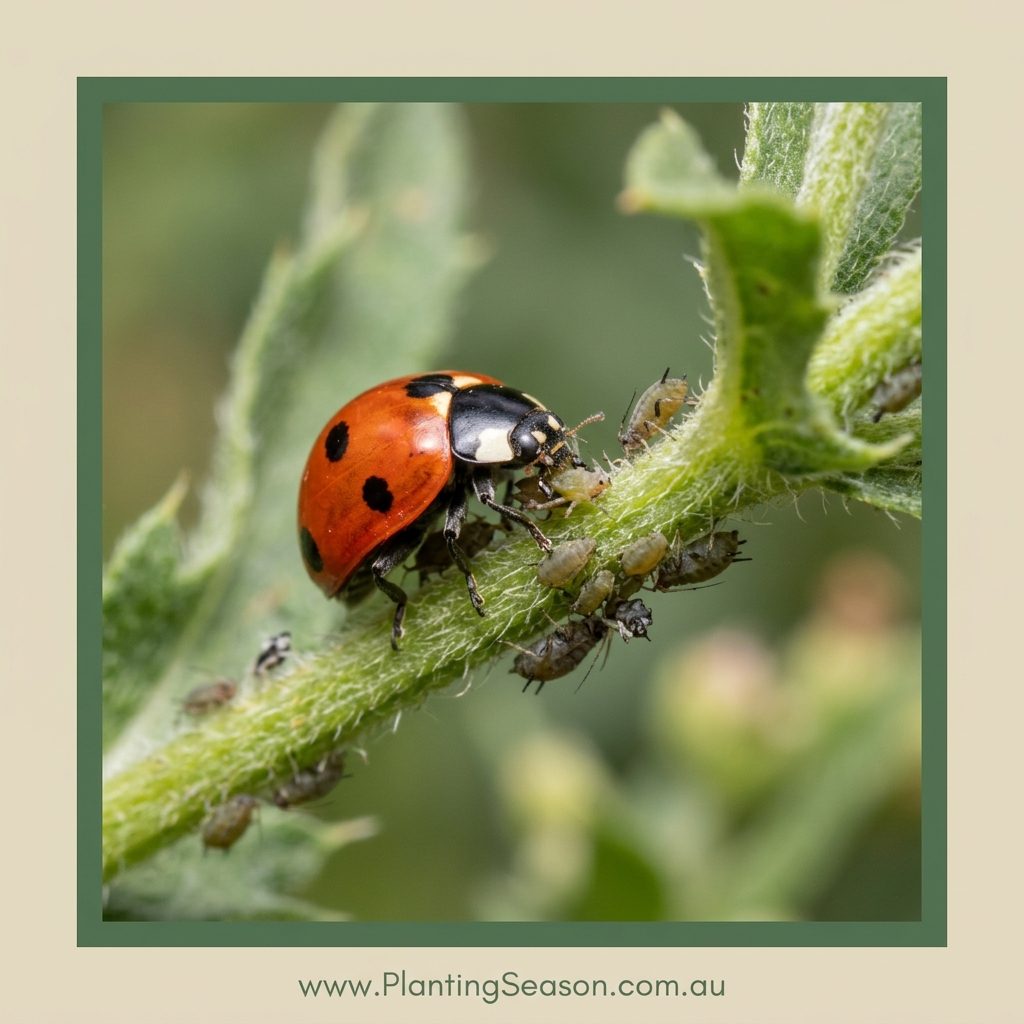
Ladybird
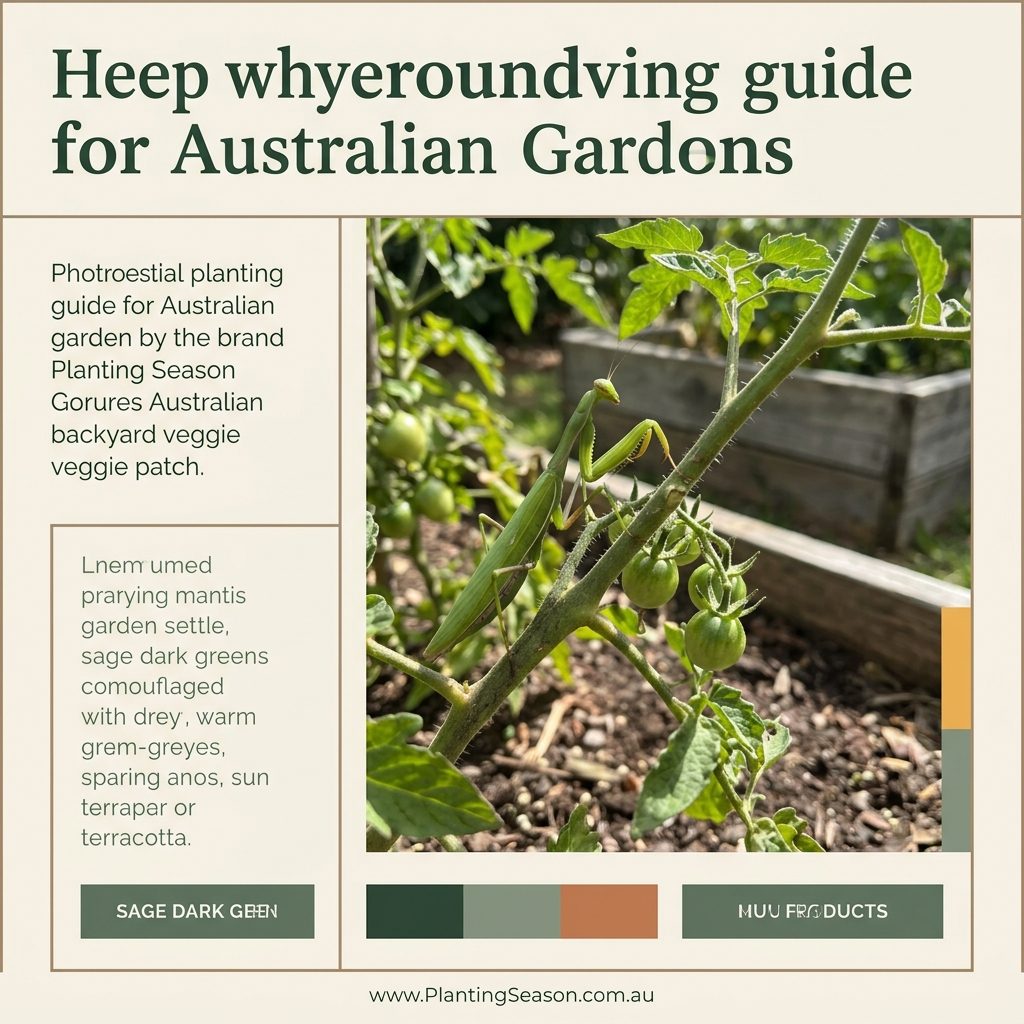
Praying Mantis
Frequently Asked Questions
What is the best organic spray for aphids?
Soapy water (1 tablespoon liquid soap per litre) is the cheapest and most effective first response. For persistent infestations, neem oil is more effective and has a longer-lasting effect. Always spray in the evening to avoid harming bees.
How do I control guava moth organically?
Net the tree after flowering has finished and pin the net to the ground, so the moth cannot reach the fruit at all. Pheromone traps tell you when it is active. Collect fallen fruit daily and bin it sealed. No single spray controls guava moth effectively.
Is neem oil safe for bees?
Neem oil has low toxicity to bees but can still affect them if sprayed directly. Always spray in the evening when bees have returned to their hives. By morning, the spray has dried and poses minimal risk to bees visiting flowers.
How do I get rid of slugs without harming pets?
Use iron-based snail pellets (labelled as pet-safe and wildlife-safe). They break down into iron and phosphate in the soil. Beer traps and copper tape are also effective non-toxic options.