
Yams in NZ: Oca, Kumara and True Yams Explained
Updated November 2026
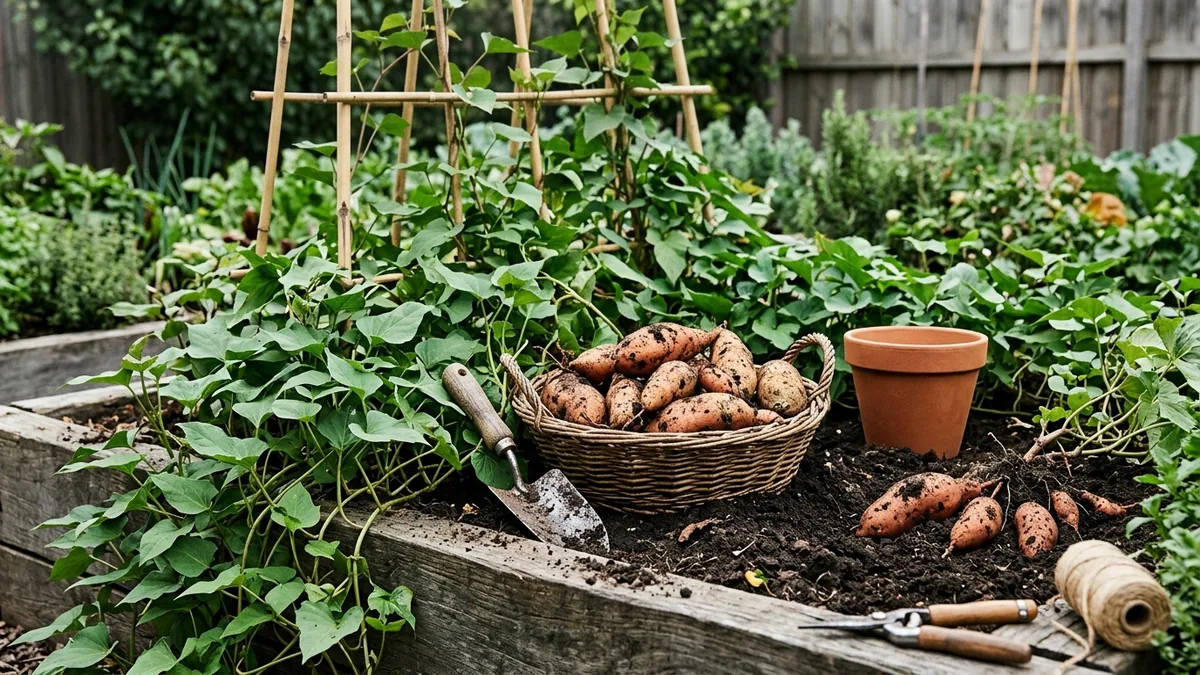
Why the New Zealand yam is not a yam, how kumara fits in, and what you can plant this spring.
When a New Zealander says "yams", they almost always mean oca, a small, knobbly, brightly coloured tuber from the Andes. The "New Zealand yam" (Oxalis tuberosa) is not related to a true yam at all. Kumara is the New Zealand name for the sweet potato (Ipomoea batatas), and it is a different plant again. True yams (Dioscorea) are tropical vines that are not grown in New Zealand gardens.
Short answer: an NZ yam is oca, kumara is the sweet potato, and a true yam is a third plant that needs tropical heat. Of the three, oca and kumara are the two you can plant in a New Zealand garden, and they want very different seasons.
The New Zealand yam is oca
Oca belongs to the wood sorrel family, the same genus as the little clover-like weed that turns up in lawns. It comes from the high Andes of Peru, where it has been a food crop for a very long time. Yates, one of the main seed sellers here, states that its New Zealand yams are actually oca, and the Koanga Institute lists them in its range of heritage root crops as well.
The tubers are short and finger-sized, usually 5 to 10 cm long, with a wrinkled surface. Skin colours run through cream, yellow, orange, pink and red, and many gardeners grow a mixed lot for the colour. The leaves look like those of a clover, and the plant makes a low, bushy clump about knee high. Cooked oca is firm and a little lemony, and it is used much like a small potato.
The name "yam" is only a local habit. Nothing about the plant is related to Dioscorea.
Kumara is the sweet potato
Kumara is the New Zealand word for the sweet potato, and it is the word we use on this site throughout. It is a trailing, frost-tender vine in the morning glory family and it comes from the tropical Americas. It has been grown in Aotearoa for centuries, and it is still one of our best known root crops. The edible part is the thickened root, which can be red, orange, white or purple depending on the type.
Kumara is not a yam, and it is not a potato either. It is a warm-season crop that needs heat, long days and a long season, which is why it grows best in the north and in warm, sheltered gardens further south. Our kumara growing guide covers the whole season, and the kumara slips guide shows how to start your own plants.
True yams are not a New Zealand garden crop
True yams are climbing vines from the tropics of Africa and Asia. They need months of steady heat with no frost, and the tubers can be very large. New Zealand does not have the climate for them outdoors, even in Northland, so they are not grown here as a garden crop. If you see a long, rough-skinned yam, it is most likely imported and sold at a Pacific or Asian grocer. For a tropical root that does grow in our warmest gardens, look at taro.
| Feature | NZ yam (oca) | Kumara | True yam |
|---|---|---|---|
| Botanical name | Oxalis tuberosa | Ipomoea batatas | Dioscorea species |
| Plant family | Wood sorrel | Morning glory | Dioscoreaceae |
| Origin | Andes of South America | Tropical Americas | Africa and Asia |
| Size and shape | Small, wrinkled, finger-sized tubers | Medium to large tapered roots | Large, thick tubers, often over 1 kg |
| Skin and flesh | Cream, yellow, pink or red skin; firm, tangy flesh | Red, orange, white or purple; soft, sweet flesh | Rough dark skin; starchy white flesh |
| Climate it likes | Cool, short autumn days | Warm and frost-free for a long season | Hot tropics, no frost |
| Grown in NZ gardens | Yes, in most regions | Yes, best in the north and warm sites | No |
How to grow oca in NZ
Oca is not in our planting data, so the timing below comes from seller and grower advice and follows the seasons and frost. Oca is a spring planting and an autumn harvest, and it gets its crop late. Plants grow leaves through summer, and the tubers only begin to swell when the days shorten and the evenings cool down in autumn. That is the opposite of kumara, which wants the heat of mid summer.
- Get seed tubers. Oca is grown from small tubers, not from seed. Koanga and Yates both sell them, and stock changes each year, so look in late winter. Koanga's listings say its shipping starts in September.
- Sprout them if you like. Let the tubers show shoots on a bright windowsill for a few weeks before planting.
- Plant after the last frost. Yates recommends planting out sprouted tubers once all danger of frost has passed, from late October. Check the frost dates page for your region. Koanga suggests planting about 5 cm deep and 40 cm apart.
- Hill the plants up. Koanga advises drawing soil up around the stems as the tops grow. Tubers form under the soil, so keep light off them.
- Water through late summer and autumn. Dry spells at tuber initiation cut the crop. Mulch to hold the moisture.
- Harvest late. Wait until the tops have died back before digging. Koanga warns that tubers will not have formed until then. In cooler regions Yates suggests harvesting after the first or second frost, because the cold sweetens the flavour.
Oca suits a cool, moist garden. That makes it a good fit for Canterbury, Otago and Southland and the cooler parts of the south, where kumara struggles. In a warm northern garden it still grows, but it needs a spot that stays cool and moist in autumn.
How to grow kumara in NZ
Kumara goes in after oca in the calendar, once the soil is properly warm. You plant slips, which are rooted shoots grown from a sprouted kumara, not seeds. Our data lists about 150 days from planting to harvest, so it needs a long warm season, and the slips go in when frost danger has passed. These are the planting months in our data for several regions:
- Northland: Oct to Nov. See the Northland planting calendar.
- Auckland: Oct to Nov. See the Auckland planting calendar.
- Waikato and Bay of Plenty: Oct to Nov. See the Waikato and Bay of Plenty planting calendar.
- Nelson and Marlborough: Nov to Dec. See the Nelson planting calendar.
- Canterbury: Nov.
- Otago and Southland: Dec.
In the cooler south, give kumara the warmest, most sheltered spot you have, warm the soil under black plastic or a cloche before planting, and expect a smaller crop than in the north. The kumara plant page has the full calendar for every region.
Which should you grow?
If you garden in Northland, Auckland, the Bay of Plenty or any warm site, grow kumara in the warm months and consider oca in a cooler corner for the autumn. If you garden in the south, oca is the more reliable of the two, and kumara is an experiment that needs a warm, sheltered bed. Either way, you are growing a true crop, not a yam, and both crops will be ready at very different times of the year.
Using the right name when you shop
At the garden centre, a packet or bag of "NZ yams" is oca. At the greengrocer, kumara is kumara. A rough, bark-skinned tuber sold as "yam" in a Pacific or Asian grocer is probably a true yam. Because the words overlap, it pays to look at the Latin name, which seed sellers usually print on the pack.
Questions
What is a yam in NZ?
In New Zealand the word yam almost always means oca (Oxalis tuberosa), a small colourful tuber from the Andes, also called the New Zealand yam. It is not related to a true yam.
Is kumara a yam?
No. Kumara is the sweet potato (Ipomoea batatas), in the morning glory family. True yams are Dioscorea species and oca is a wood sorrel.
Can you grow true yams in New Zealand?
Not as a normal garden crop. True yams need months of hot, frost-free weather, which most of New Zealand does not provide.
When do you plant oca in NZ?
Plant sprouted tubers in spring after the last frost, from late October according to Yates. Harvest in late autumn once the tops have died back.
When should I plant kumara?
Plant slips once frost danger has passed and the soil is warm. The months depend on your region, so use the kumara plant page and your regional calendar.
Where can I buy oca tubers?
Seed sellers such as Yates and the Koanga Institute list them, and stock varies from year to year, so look in late winter.
Sources
- Yates NZ: How to grow New Zealand yam
- Yates NZ: New Zealand yam
- Koanga Institute: Yams Nana's
- Garden Organic: How to grow oca
Plant profile
The kumara profile has sowing times for your region, companion plants and common pests.