
Northland and Whangārei Vegetable Planting Calendar: What to Plant Now
Subtropical calendar for Northland. 183 plants with monthly sow windows calibrated for local conditions.
This is our Northland vegetable planting calendar, covering Whangārei, Kerikeri, Kaitaia, Dargaville and Mangawhai. It starts with what vegetables to plant now in Northland, then goes through the whole year, with sowing windows set for the subtropical climate of subtropical Northland. Further down you will find a sowing chart for popular vegetables, local timing notes, frost dates and a season-by-season guide, all from the same data that runs the Planting Season app. Northland is our warmest region, so the sowing windows here open earlier than anywhere else in New Zealand, and summer humidity rather than cold is the main thing to plan around.
Monthly Planting Calendar
Northland is New Zealand's warmest region: subtropical, humid, and effectively frost-free along the coast. Growing runs year-round, and subtropicals that struggle elsewhere in New Zealand (bananas, ginger, tamarillo, citrus) thrive here. The main challenges are summer humidity, which drives fungal disease, and wet winters. Choose disease-resistant varieties, space for airflow, and you can pick something fresh in every month.
Month-by-month vegetable planting calendar for Northland
Every vegetable in our Northland calendar, grouped by the month you can sow or plant it. Each month links to its full page with herbs, fruit, spacing, harvest times and companions.
| Month | Vegetables to sow or plant | Count |
|---|---|---|
| January | Beans (bush), Beetroot, Broccoli, Cabbage, Carrot, Cauliflower, Celeriac, Chicory, Collards, Cucumber, Globe Artichoke, Good King Henry, Hamburg Parsley, Jerusalem Artichoke, Kale, Kohlrabi, Komatsuna, Leek, Lettuce, Mizuna, New Zealand Spinach (Warrigal), Parsnip, Pigface (Horokaka), Quinoa, Radicchio, Radish, Rhubarb, Salsify, Scarlet Runner Bean, Scorzonera, Silverbeet, Sorrel, Spring Onion, Swede, Turnip, Watercress, Zucchini | 37 |
| February | Beans (bush), Beetroot, Bok Choy, Broccoli, Broccolini, Cabbage, Carrot, Cauliflower, Celeriac, Celery, Chicory, Collards, Daikon, Endive, Fennel, Florence Fennel, Gai Lan, Globe Artichoke, Good King Henry, Hamburg Parsley, Jerusalem Artichoke, Kale, Kohlrabi, Komatsuna, Leek, Lettuce, Mibuna, Mizuna, Mustard Greens, Parsnip, Pigface (Horokaka), Radicchio, Radish, Rhubarb, Rocket, Salsify, Scorzonera, Silverbeet, Snow Peas, Sorrel, Spring Onion, Swede, Tatsoi, Turnip, Watercress, Wombok | 46 |
| March | Beetroot, Bok Choy, Broad Beans, Broccoli, Broccolini, Cabbage, Carrot, Cauliflower, Celeriac, Celery, Chicory, Collards, Daikon, Endive, Fennel, Florence Fennel, Gai Lan, Globe Artichoke, Good King Henry, Hamburg Parsley, Jerusalem Artichoke, Kale, Kohlrabi, Komatsuna, Leek, Lettuce, Mibuna, Mizuna, Mustard Greens, Onion, Parsnip, Peas, Pigface (Horokaka), Radicchio, Radish, Rhubarb, Rocket, Salsify, Scorzonera, Shallot, Silverbeet, Snow Peas, Sorrel, Spinach, Spring Onion, Swede, Tatsoi, Turnip, Watercress, Wombok | 50 |
| April | Bok Choy, Broad Beans, Broccoli, Broccolini, Carrot, Celeriac, Celery, Chicory, Daikon, Endive, Fennel, Florence Fennel, Gai Lan, Garlic, Globe Artichoke, Good King Henry, Hamburg Parsley, Jerusalem Artichoke, Kohlrabi, Komatsuna, Leek, Lettuce, Mibuna, Mizuna, Mustard Greens, Onion, Parsnip, Peas, Pigface (Horokaka), Radicchio, Radish, Rhubarb, Rocket, Salsify, Scorzonera, Shallot, Silverbeet, Snow Peas, Sorrel, Spinach, Spring Onion, Swede, Tatsoi, Turnip, Watercress, Wombok | 46 |
| May | Broad Beans, Garlic, Lettuce, Onion, Peas, Shallot, Spinach, Watercress | 8 |
| June | Broad Beans, Garlic, Onion, Shallot, Spinach | 5 |
| July | Broad Beans, Garlic, Spinach | 3 |
| August | Asparagus, Beetroot, Bok Choy, Broccoli, Broccolini, Cabbage, Carrot, Cauliflower, Celeriac, Celery, Chicory, Collards, Daikon, Endive, Fennel, Florence Fennel, Gai Lan, Globe Artichoke, Good King Henry, Hamburg Parsley, Horseradish, Jerusalem Artichoke, Kale, Kohlrabi, Komatsuna, Leek, Lettuce, Mibuna, Mizuna, Mustard Greens, Parsnip, Peas, Potato, Radicchio, Radish, Rhubarb, Rocket, Salsify, Scorzonera, Silverbeet, Snow Peas, Sorrel, Spinach, Spring Onion, Swede, Tatsoi, Turnip, Watercress, Wombok | 49 |
| September | Amaranth, Asparagus, Beetroot, Bok Choy, Brazilian Spinach, Broccoli, Broccolini, Cabbage, Capsicum, Carrot, Cauliflower, Celeriac, Celery, Chicory, Chilli, Collards, Daikon, Edamame, Eggplant, Endive, Fennel, Florence Fennel, Gai Lan, Ginger, Globe Artichoke, Good King Henry, Hamburg Parsley, Horseradish, Jerusalem Artichoke, Kale, Kang Kong, Kohlrabi, Komatsuna, Leek, Lettuce, Malabar Spinach, Mibuna, Mizuna, Mustard Greens, New Zealand Spinach (Warrigal), Okra, Parsnip, Peas, Pigface (Horokaka), Potato, Quinoa, Radicchio, Radish, Rhubarb, Rocket, Salsify, Scorzonera, Silverbeet, Snow Peas, Sorrel, Spinach, Spring Onion, Swede, Taro, Tatsoi, Tomatillo, Tomato, Turmeric, Turnip, Watercress, Wombok | 66 |
| October | Amaranth, Asparagus, Beans (bush), Beetroot, Bok Choy, Brazilian Spinach, Broccoli, Broccolini, Cabbage, Capsicum, Carrot, Celeriac, Celery, Chicory, Chilli, Choko, Collards, Cucumber, Daikon, Edamame, Eggplant, Endive, Fennel, Florence Fennel, Gai Lan, Ginger, Globe Artichoke, Good King Henry, Hamburg Parsley, Horseradish, Jerusalem Artichoke, Kale, Kang Kong, Kohlrabi, Komatsuna, Leek, Lettuce, Malabar Spinach, Mibuna, Mizuna, Mustard Greens, New Zealand Spinach (Warrigal), Okra, Parsnip, Pigface (Horokaka), Popcorn, Potato, Pumpkin, Quinoa, Radicchio, Radish, Rhubarb, Rocket, Rockmelon, Salsify, Scarlet Runner Bean, Scorzonera, Silverbeet, Snow Peas, Sorrel, Spring Onion, Squash, Swede, Sweet Corn, Sweet Potato, Taro, Tatsoi, Tomatillo, Tomato, Turmeric, Turnip, Watercress, Watermelon, Wombok, Zucchini | 75 |
| November | Amaranth, Asparagus, Beans (bush), Beetroot, Brazilian Spinach, Cabbage, Capsicum, Carrot, Chilli, Choko, Cucumber, Edamame, Eggplant, Ginger, Kang Kong, Lettuce, Malabar Spinach, New Zealand Spinach (Warrigal), Okra, Pigface (Horokaka), Popcorn, Pumpkin, Quinoa, Radish, Rockmelon, Scarlet Runner Bean, Silverbeet, Spring Onion, Squash, Sweet Corn, Sweet Potato, Taro, Tomatillo, Tomato, Turmeric, Watercress, Watermelon, Zucchini | 38 |
| December | Amaranth, Beans (bush), Beetroot, Brazilian Spinach, Carrot, Chilli, Cucumber, Edamame, Eggplant, Ginger, Kang Kong, Lettuce, Malabar Spinach, New Zealand Spinach (Warrigal), Okra, Pigface (Horokaka), Quinoa, Radish, Scarlet Runner Bean, Silverbeet, Spring Onion, Taro, Tomatillo, Tomato, Turmeric, Watercress, Zucchini | 27 |
Northland vegetable sowing chart
33 popular crops, with the months you can sow or plant them in Northland. Shaded months are open sowing windows, and the last column spells them out. Seed started in trays or under cover counts as a sowing where our data says so.
| Crop | Jan | Feb | Mar | Apr | May | Jun | Jul | Aug | Sep | Oct | Nov | Dec | Sow or plant |
|---|---|---|---|---|---|---|---|---|---|---|---|---|---|
| Tomato | Sep to Dec | ||||||||||||
| Capsicum | Sep to Nov | ||||||||||||
| Chilli | Sep to Dec | ||||||||||||
| Eggplant | Sep to Dec | ||||||||||||
| Courgette (zucchini) | Oct to Jan | ||||||||||||
| Cucumber | Oct to Jan | ||||||||||||
| Pumpkin | Oct to Nov | ||||||||||||
| Sweet Corn | Oct to Nov | ||||||||||||
| Beans (bush) | Oct to Feb | ||||||||||||
| Peas | Mar to May and Aug to Sep | ||||||||||||
| Snow Peas | Feb to Apr and Aug to Oct | ||||||||||||
| Broad Beans | Mar to Jul | ||||||||||||
| Lettuce | Aug to May | ||||||||||||
| Spinach | Mar to Sep | ||||||||||||
| Silverbeet | Aug to Apr | ||||||||||||
| Kale | Jan to Mar and Aug to Oct | ||||||||||||
| Bok Choy | Feb to Apr and Aug to Oct | ||||||||||||
| Broccoli | Jan to Apr and Aug to Oct | ||||||||||||
| Cabbage | Jan to Mar and Aug to Nov | ||||||||||||
| Cauliflower | Jan to Mar and Aug to Sep | ||||||||||||
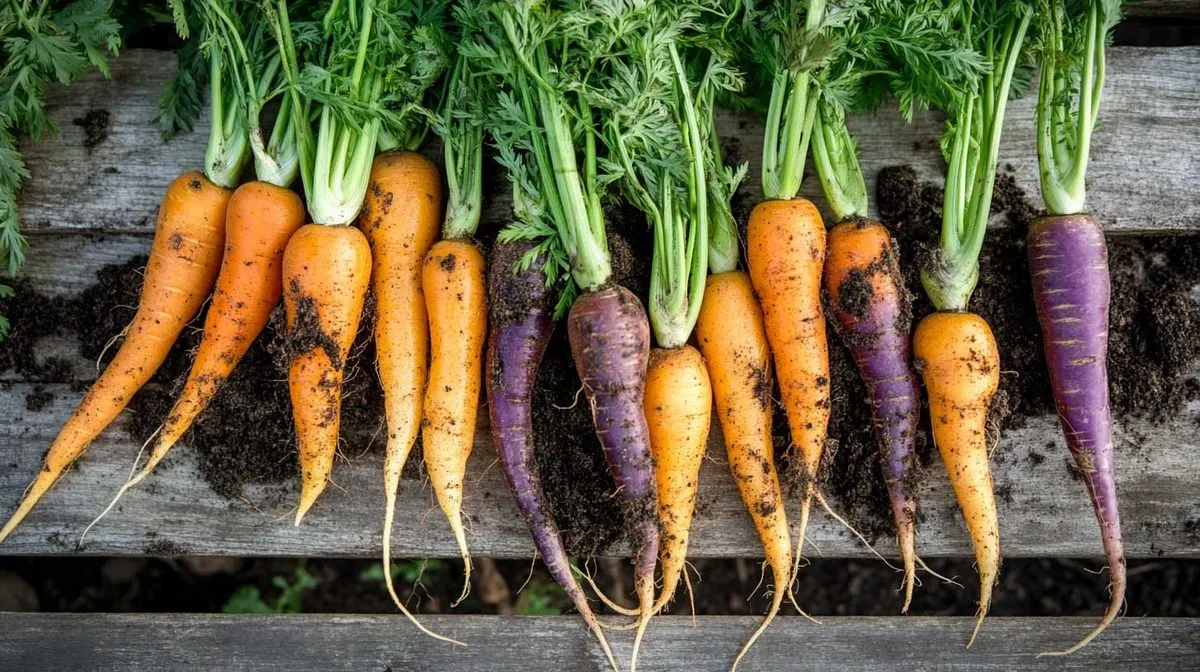
| Carrot | Aug to Apr | ||||||||||||
| Beetroot | Aug to Mar | ||||||||||||
| Radish | Aug to Apr | ||||||||||||
| Onion | Mar to Jun | ||||||||||||
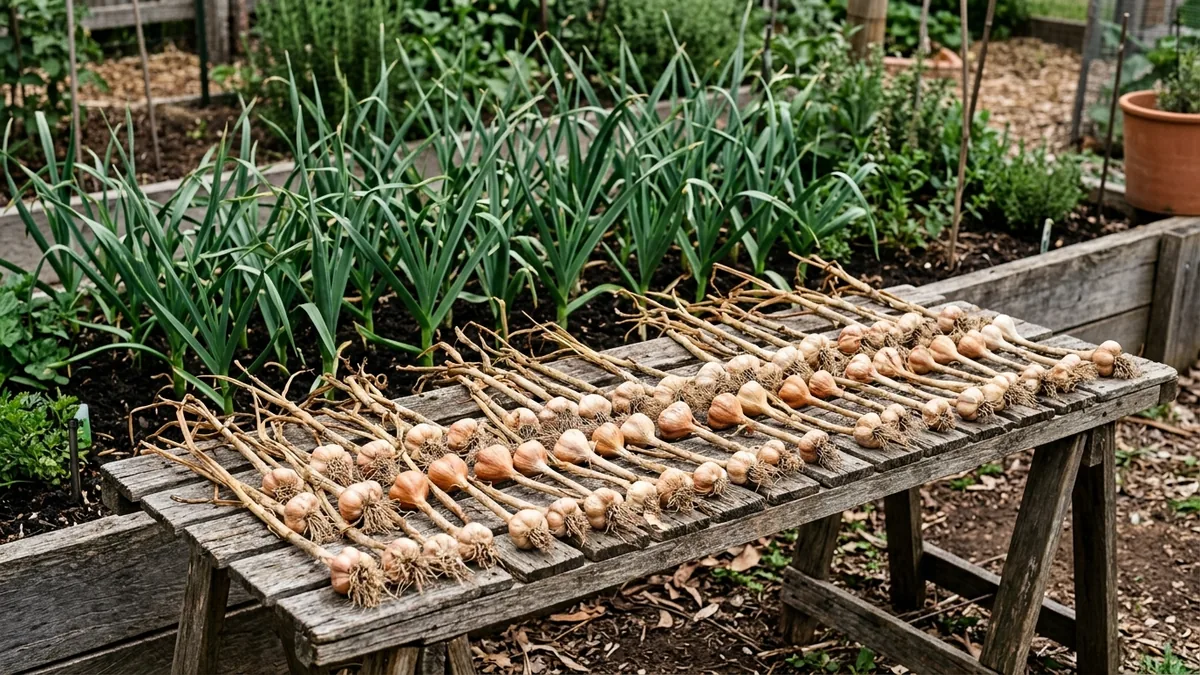
| Garlic | Apr to Jul | ||||||||||||
| Leek | Jan to Apr and Aug to Oct | ||||||||||||
| Potato | Aug to Oct | ||||||||||||
| Kūmara (sweet potato) | Oct to Nov | ||||||||||||
| Basil | Oct to Feb | ||||||||||||
| Coriander | Mar to Apr and Aug to Oct | ||||||||||||
| Parsley | Aug to May | ||||||||||||
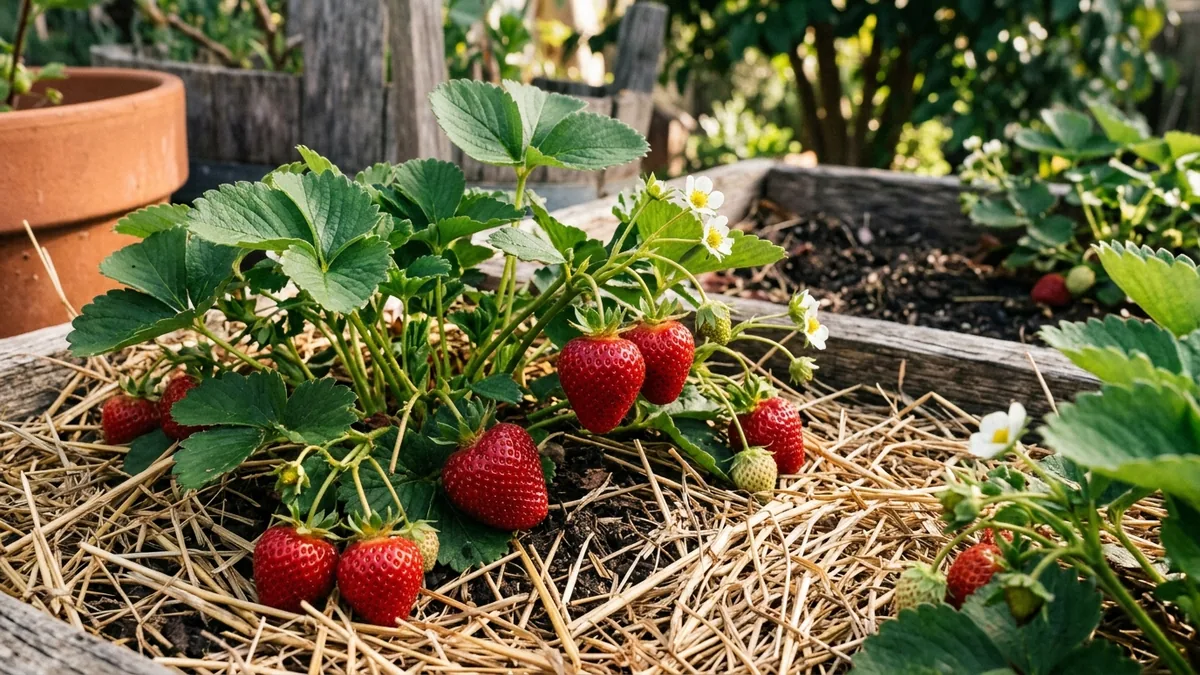
| Strawberry | Apr to Jul | ||||||||||||
| Watermelon | Oct to Nov |
Browse by Category
Frost dates and climate in Northland
Northland has a subtropical climate, and our regional frost table lists it as effectively frost free, so the growing season runs all year.
Growing runs all year here. The challenges are summer humidity, which drives fungal disease, and wet winters, so disease-resistant varieties and good airflow matter more than frost cover.
Our Northland calendar already allows for this: frost-tender crops start later than hardy ones, with tomatoes from September and basil from October. The frost dates by region page compares all nine regions, and the free app gives a local forecast with frost alerts.
Northland planting seasons: a season-by-season guide
The calendar above, read by season. Counts and crop lists come straight from the Northland sowing windows, so they change only when our data changes.
Spring in Northland (September to November)
78 vegetables can be sown at some point in spring. Sowing windows that open: in September, Tomato, Capsicum, Chilli, Eggplant, Amaranth, Brazilian Spinach, Edamame, Ginger, Kang Kong, Malabar Spinach and 7 more; in October, Zucchini, Cucumber, Pumpkin, Sweet Corn, Beans (bush), Sweet Potato, Watermelon, Choko, Popcorn, Rockmelon and 2 more. Last chance before the season ends: September for Peas, Spinach and Cauliflower; October for Snow Peas, Kale, Bok Choy, Broccoli, Leek, Potato, Broccolini, Celeriac, Celery, Chicory and 27 more. You can keep sowing Tomato, Capsicum, Chilli, Eggplant, Lettuce, Silverbeet, Cabbage, Carrot, Beetroot, Radish, Amaranth, Asparagus, Brazilian Spinach, Edamame and 12 more through every month of it.
Summer in Northland (December to February)
64 vegetables can be sown at some point in summer. Sowing windows that open: in January, Kale, Broccoli, Cabbage, Cauliflower, Leek, Celeriac, Chicory, Collards, Globe Artichoke, Good King Henry and 13 more; in February, Snow Peas, Bok Choy, Broccolini, Celery, Daikon, Endive, Fennel, Florence Fennel, Gai Lan, Mibuna and 4 more. Last chance before the season ends: December for Tomato, Chilli, Eggplant, Amaranth, Brazilian Spinach, Edamame, Ginger, Kang Kong, Malabar Spinach, Okra and 3 more; January for Zucchini, Cucumber, New Zealand Spinach (Warrigal), Quinoa and Scarlet Runner Bean. You can keep sowing Beans (bush), Lettuce, Silverbeet, Carrot, Beetroot, Radish, Pigface (Horokaka), Spring Onion and Watercress through every month of it.
Autumn in Northland (March to May)
51 vegetables can be sown at some point in autumn. Sowing windows that open: in March, Peas, Broad Beans, Spinach, Onion and Shallot; in April, Garlic. Last chance before the season ends: March for Kale, Cabbage, Cauliflower, Beetroot and Collards; April for Snow Peas, Silverbeet, Bok Choy, Broccoli, Carrot, Radish, Leek, Broccolini, Celeriac, Celery and 28 more. You can keep sowing Peas, Broad Beans, Lettuce, Spinach, Onion, Shallot and Watercress through every month of it. For more detail, see what to grow in autumn.
Winter in Northland (June to August)
53 vegetables can be sown at some point in winter. Sowing windows that open: in August, Peas, Snow Peas, Lettuce, Silverbeet, Kale, Bok Choy, Broccoli, Cabbage, Cauliflower, Carrot and 38 more. Last chance before the season ends: June for Onion and Shallot; July for Broad Beans and Garlic. You can keep sowing Spinach through every month of it. For more detail, see winter vegetables to plant in New Zealand.
Growing Guides
In-depth guides for the most popular crops and techniques. These guides adapt to your region.
Free Monthly Planting Calendar
Get a personalised email each month with what to plant, seasonal tips, and harvest reminders for your region.
We send one email per month. Unsubscribe any time.
Free Printable Planting Calendars
A4 landscape PDFs for each month, stick one on the fridge.
Get printable calendars →Planting calendars for other New Zealand regions
Gardening somewhere else? Each region has its own sowing windows, frost dates and month pages. For the whole country at a glance, see what vegetables to plant now in New Zealand.
- Auckland vegetable planting calendar
Auckland, the North Shore, Manukau, Waitakere and Pukekohe: warm temperate, effectively frost free. - Waikato and Bay of Plenty vegetable planting calendar
Hamilton, Tauranga, Whakatāne and the Coromandel: warm temperate, frost window 25 September to 5 May. - Central North Island vegetable planting calendar
Rotorua, Taupō, Tūrangi, Taumarunui and Ohakune: cool temperate highland, frost window 15 October to 15 April. - Wellington vegetable planting calendar
Wellington, Palmerston North, New Plymouth, Whanganui, Napier, Hastings and Gisborne: temperate, frost window 30 August to 10 June. - Nelson and Marlborough vegetable planting calendar
Nelson, Richmond, Motueka, Blenheim and Picton: sunny temperate, frost window 20 September to 10 May. - Canterbury vegetable planting calendar
Christchurch, Timaru, Ashburton, Rangiora and Kaikōura: cool temperate, frost window 10 October to 20 April. - Otago and Southland vegetable planting calendar
Dunedin, Invercargill, Oamaru, Gore and Balclutha: cold temperate, frost window 25 October to 5 April. - Central Otago vegetable planting calendar
Queenstown, Wānaka, Alexandra, Cromwell and Arrowtown: semi-continental, frost window 5 November to 25 March.
Frequently Asked Questions
What can I grow in Northland?
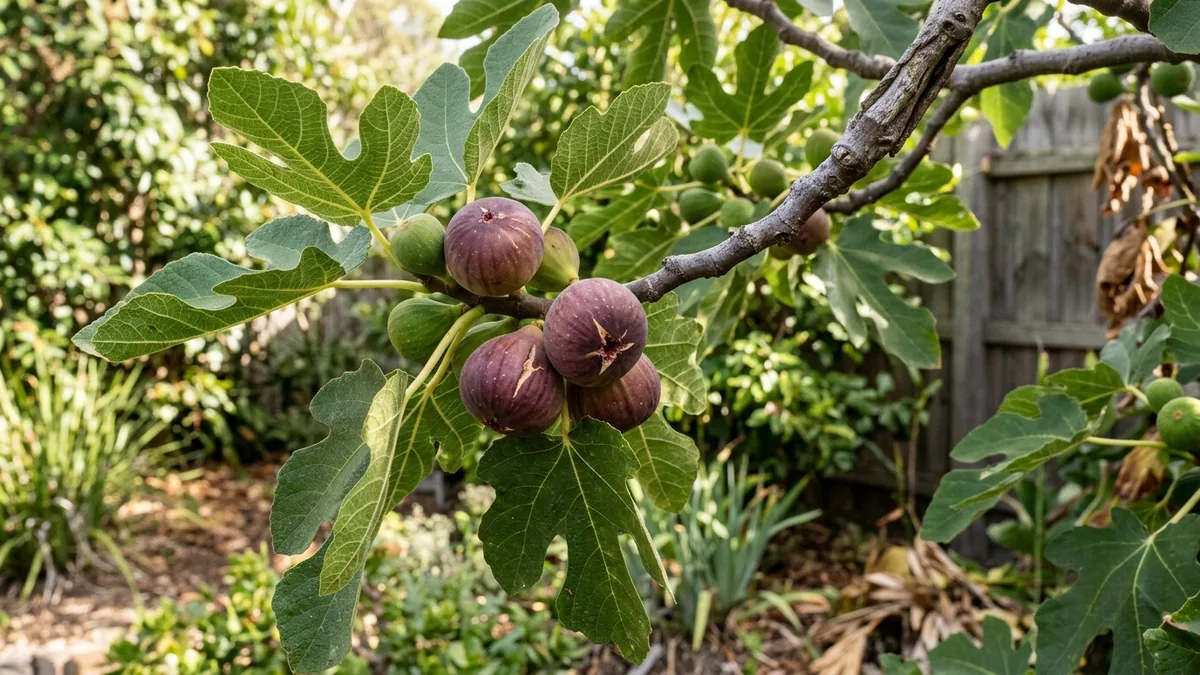
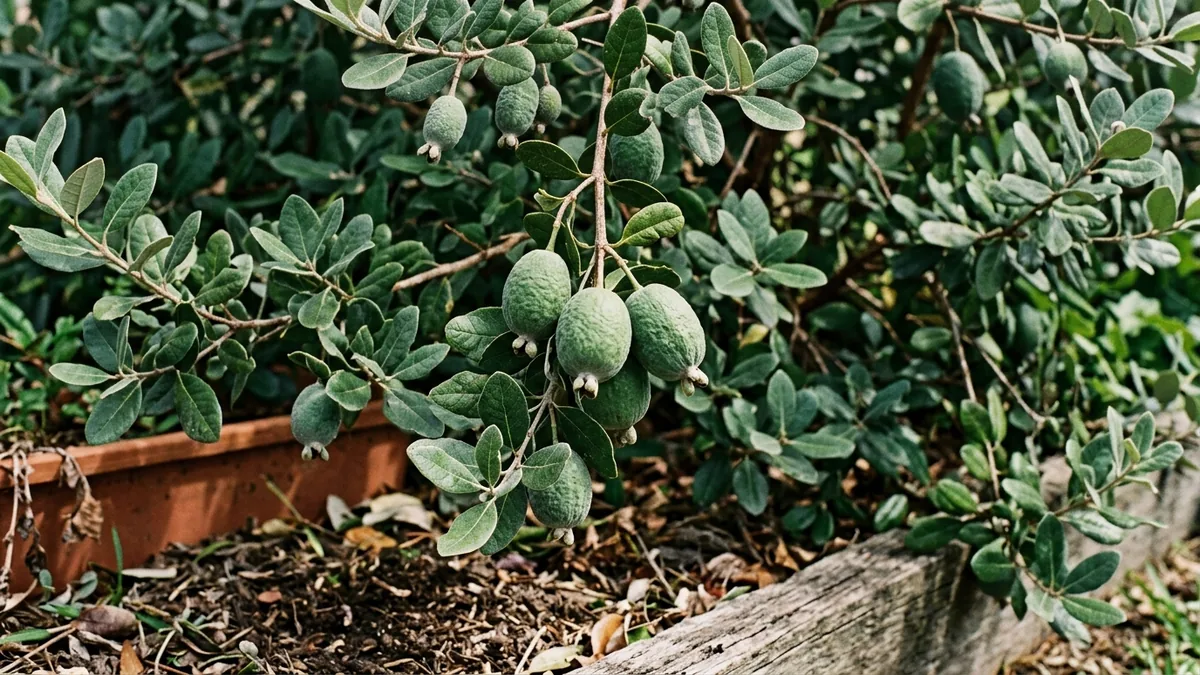
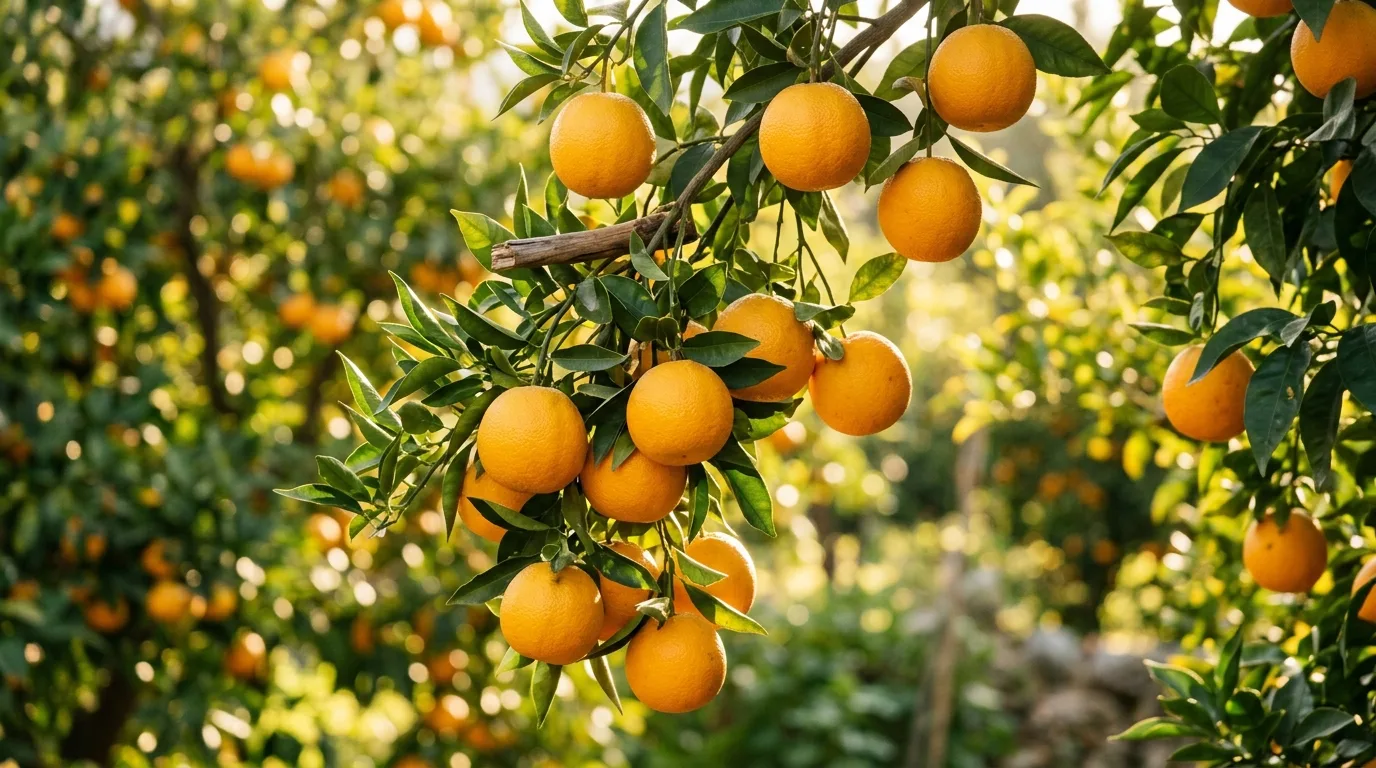
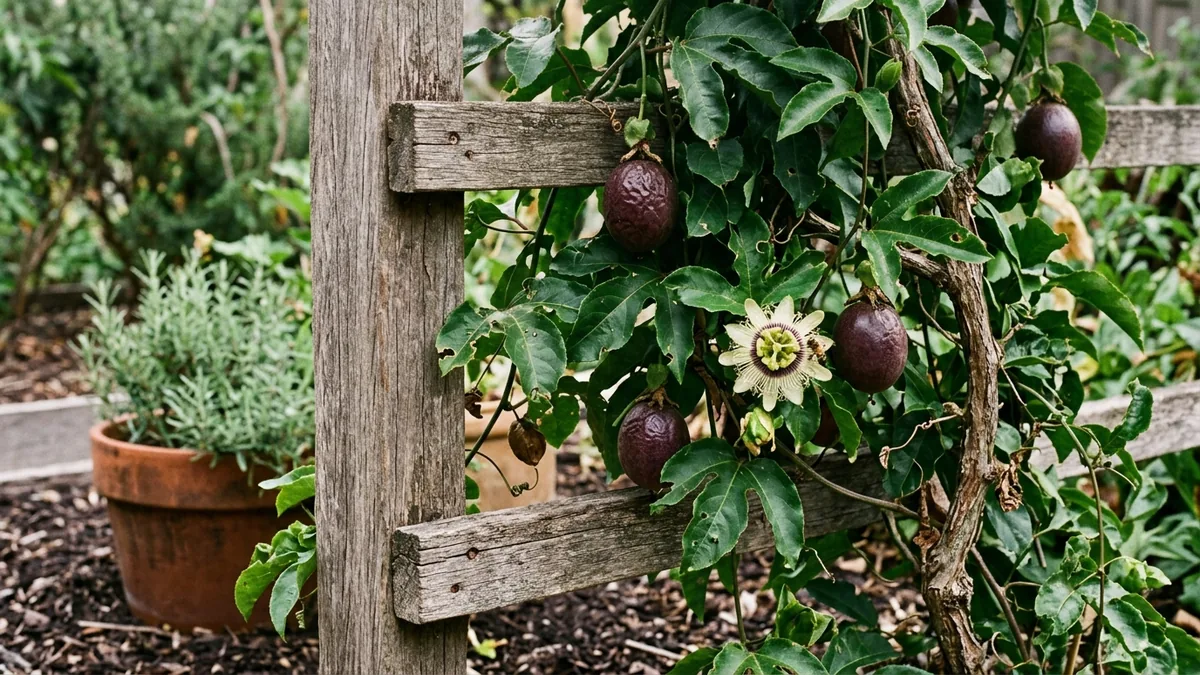
Northland's subtropical, near frost-free climate grows the widest range in New Zealand: year-round vegetables, citrus, avocado, and subtropicals like bananas, tamarillo and ginger that struggle further south. The main limits are summer humidity and wet winters, so favour disease-resistant varieties and good airflow.
When can I plant tomatoes in Northland?
Our Northland calendar has tomatoes sown or planted from September to December, earlier than most of New Zealand, as soon as the soil warms. Humidity drives fungal disease, so choose resistant varieties, space them well, and water at the base rather than over the leaves. More in when to plant tomatoes in New Zealand.
What's the catch with Northland's warm climate?
Heat and humidity bring strong pest and fungal pressure, and wet winters can rot roots in heavy soil. Raised beds, airflow, and resistant varieties matter more here than cold protection. Pick something fresh in every month, but stay on top of disease.
What vegetables can I plant now in Northland?
It depends on the month. Going by our Northland calendar, in spring (Sep to Nov) you can sow Tomato, Capsicum, Chilli, Eggplant, Zucchini, Cucumber and Pumpkin; in summer (Dec to Feb) you can sow Zucchini, Cucumber, Beans (bush), Lettuce, Silverbeet, Kale and Broccoli; in autumn (Mar to May) you can sow Peas, Snow Peas, Broad Beans, Lettuce, Spinach, Silverbeet and Bok Choy; in winter (Jun to Aug) you can sow Peas, Snow Peas, Broad Beans, Lettuce, Spinach, Silverbeet and Garlic. The What to plant in Northland now section at the top of this page always shows the current month, and each month page lists every crop.
When is the last frost in Northland?
Our regional frost table lists Northland as effectively frost free. Growing runs all year here. The challenges are summer humidity, which drives fungal disease, and wet winters, so disease-resistant varieties and good airflow matter more than frost cover. The frost dates by region page compares all nine regions.
When should I plant potatoes in Northland?
Our Northland calendar has potatoes planted from August to October. More in how to grow potatoes.