
When to Plant Capsicum in NZ: How to Grow Capsicums by Region
Updated October 2026
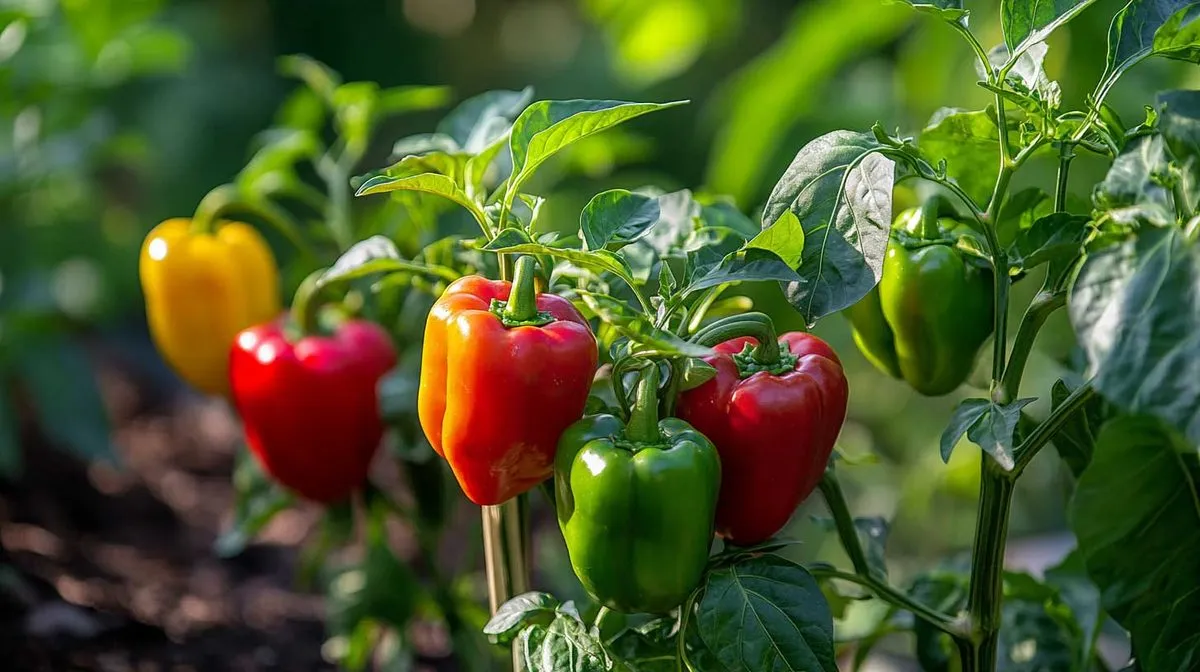
Capsicums are a long, warm-season crop that reward patience with sweet, crunchy fruit. New Zealand stretches from the warm subtropical north to the cool deep south, so the single most important thing is matching your sowing to your region. In the warm north a sheltered sunny spot is plenty. Further south a glasshouse or polytunnel makes ripening far more reliable.
Use the climate sowing selector below to see when to start seed, whether to sow indoors or direct, in-ground or in a pot, and the warmth your plants will need.
Climate sowing selector
Pick your region to see when and how to sow capsicum where you garden.
What it looks like as it grows


🌱 Plant profile: Capsicum, with sowing times for your region, companion plants and common pests.
When to Plant Capsicum in Your Region
Capsicums are planted out once the weather has settled and the soil is warm. These are the planting months for each of our nine New Zealand regions, straight from our planting data. Each region links to its vegetable planting calendar, and the Capsicum plant page has spacing, companions and care notes for your region.
| Region | Plant out | Local note |
|---|---|---|
| Northland | September to November | Effectively frost free. |
| Auckland | September to November | Effectively frost free. |
| Waikato & Bay of Plenty | September to November | Frosts on average from 5 May to 25 September. |
| Central North Island | November and December | Frosts on average from 15 April to 15 October. |
| Wellington & Lower North Island | October to December | Frosts on average from 10 June to 30 August. |
| Nelson & Marlborough | October to December | Frosts on average from 10 May to 20 September. |
| Canterbury | November and December | Frosts on average from 20 April to 10 October. |
| Otago & Southland | November and December | Frosts on average from 5 April to 25 October. |
| Central Otago | December | Frosts on average from 25 March to 5 November. |
Capsicums are frost tender, so the planting months follow the frosts on our frost dates page. Northland, Auckland and Waikato and the Bay of Plenty plant from September to November. Wellington and the lower North Island and Nelson and Marlborough plant from October to December. The central North Island, Canterbury and Otago and Southland wait until November and December, and Central Otago, where frosts run to an average of 5 November, plants in December only. Seed sown indoors 8 to 10 weeks earlier is ready to plant out in your window.
Position & soil
Capsicums need the warmest, sunniest, most sheltered spot you have, with at least 6 to 8 hours of direct sun. Wind chills the plants and snaps fruiting branches, so shelter matters as much as sun.
- Soil should be rich, free-draining, and slightly acidic to neutral (pH 6.0 to 7.0).
- Dig through plenty of well-rotted compost or aged manure before planting.
- In cooler regions, grow against a warm north-facing wall, in a pot that warms quickly, or under cover.
- Avoid beds where you grew tomatoes, potatoes, or eggplant last season, as they share soil diseases.
Sowing & planting
- Start seed indoors 8 to 10 weeks before planting out. Capsicums germinate slowly and need warm soil around 22 to 28 degrees C. A heat pad or warm windowsill helps.
- Sow seed about 5 mm deep. Expect germination in 10 to 21 days, sometimes around 14.
- Plant out only after the last frost and once nights stay reliably above 15 degrees C. Cold soil stalls young plants for weeks.
- Harden off seedlings over a week before they go in the ground.
- In-ground or pot: both work. A pot of at least 30 cm across suits balconies and cooler regions because it warms faster than garden soil.
Spacing
Space plants about 45 cm apart, in rows roughly 60 cm apart. Capsicums form compact bushes around 60 cm tall and need good airflow but less room than tomatoes. Stake each plant or use a small cage, as heavy fruit can snap branches.
Watering & feeding
- Water deeply and evenly. Steady moisture is the key to avoiding blossom end rot.
- Mulch well with straw or pea straw to hold moisture and even out soil temperature.
- Feed fortnightly once flowering starts with a potassium-rich fertiliser such as tomato food.
- Go easy on nitrogen, which pushes leafy growth at the expense of fruit and can cause flower drop.
Growing Capsicum in Pots
Capsicums suit containers well. Our plant data calls for a pot of at least 30 cm, and a pot warms faster than garden soil, which helps in the cooler regions. Stand it in the warmest, sunniest spot you have, stake the plant, and water steadily, because pots dry out fast and uneven watering brings on blossom end rot. Feed with a potassium-rich fertiliser once fruit sets. Our container vegetable gardening guide covers pots and mixes.
Pollination
Capsicums are self-fertile, so each flower can set fruit on its own without a second plant. A gentle daily shake helps move pollen within the flower, which is especially useful under cover where there is little wind. The main risk is heat or cold-related flower drop: flowers tend to fall when days climb above 35 degrees C or nights fall below 15 degrees C. Steady warmth matters far more than attracting pollinators.
Common problems
Blossom end rot
Dark, sunken patches on the bottom of the fruit. This is a calcium issue in the developing fruit, almost always caused by inconsistent watering rather than a soil shortage. Water deeply and evenly, mulch well, and avoid high-nitrogen feeds. Remove affected fruit so the plant can focus on healthy ones.
Flower drop
Flowers fall without setting when nights drop below 15 degrees C or days climb above 35 degrees C, or when there is too much nitrogen. Plant out only once nights are reliably mild, and shelter young plants early on.
Sunscald
White or pale patches on fruit exposed to harsh direct sun. The fruit is still edible. Keep enough leaf cover and avoid heavy mid-season pruning.
Pests
Watch for aphids, whitefly, and the tomato or potato psyllid. See our NZ pest and disease guide for organic control.
Harvest & ripening
All capsicums start green and change colour as they ripen, so a green capsicum is simply unripe. Leaving fruit on the plant to colour up fully (red, yellow, orange, or brown) develops far more sweetness, flavour, and vitamin C.
- First green fruit is ready in roughly 100 days from transplanting.
- Full ripening takes another 3 to 4 weeks of warm weather once fruit reaches full size.
- Pick the first few fruit green to encourage more flowers.
- Cut fruit with secateurs rather than pulling, which can tear branches.
- In cooler regions, remove late-season flowers so the plant ripens existing fruit before autumn.
Best capsicum varieties for NZ
| Variety | Type | Notes |
|---|---|---|
| Californian Wonder | Blocky green-to-red bell | Dependable old favourite with thick sweet walls. Widely sold (Egmont Seeds, Kings Seeds, Mitre 10). |
| Sweet Banana | Long tapered yellow to red | Mild, sweet, early and very productive. A smart pick for cooler regions (Egmont Seeds, Kings Seeds). |
| Giant Bell | Large thick-walled bell | Big sweet fruit, good for stuffing. Best in warm spots or under cover (Egmont Seeds). |
| Yellow Banana | Elongated, ripens to gold | Sweet and a heavy cropper in warm positions (Kings Seeds, Egmont Seeds). |
| Mini Sweet | Snack-sized red, orange, yellow | Prolific on compact plants and quick to ripen. Great for pots and the glasshouse. |
Companion planting
Capsicums grow happily near basil, tomatoes, carrots, and marigolds. Avoid planting them right next to fennel.
Plant Capsicum in your garden →Frequently Asked Questions
When is the best time to plant capsicum in New Zealand?
In the warm north (Northland, Auckland) sow seed indoors from August and plant out from September to November. Cooler regions plant later, with Canterbury and Otago waiting until November or December. Use the climate selector above for your region.
Do capsicums need a glasshouse in New Zealand?
Not in the warm north, where a sheltered sunny spot is enough. In Wellington, Canterbury and the south a glasshouse or polytunnel gives much more reliable ripening because capsicums need a long run of warmth to colour up.
Why are my capsicums not turning red?
Capsicums start green and need warmth and time to ripen fully. Green fruit takes 3 to 4 weeks of warm weather to turn red. In cooler regions choose early varieties like Sweet Banana and remove late-season flowers so the plant ripens existing fruit.
Do capsicums need a second plant to pollinate?
No. Capsicums are self-fertile, so each flower can set fruit on its own. A gentle daily shake helps move pollen, which is especially useful under cover where there is little wind. Flowers can drop in cold or very hot spells, so steady warmth matters most.
What causes blossom end rot on capsicums?
Inconsistent watering is the main cause. The dark sunken patches on the bottom of fruit happen when the plant cannot move enough calcium to developing fruit. Water deeply and evenly, mulch well, and avoid over-fertilising with nitrogen.
Can I grow capsicum in a pot?
Yes. A pot of at least 30 cm across with free-draining mix works well, and pots warm faster than garden soil, which helps in cooler regions. They dry out quicker though, so water consistently to avoid blossom end rot.
Where can I buy capsicum seeds or plants in NZ?
Capsicum seeds and seedlings are widely available from Egmont Seeds, Kings Seeds, and garden centres such as Mitre 10 and Bunnings.
When should I plant capsicum in Auckland?
Our Auckland calendar plants capsicums from September to November. Auckland is effectively frost free, so September plantings are safe once nights stay mild. Northland and Waikato and the Bay of Plenty follow the same months.
When should I plant capsicum in Canterbury?
Plant capsicums in Canterbury in November and December, once the frosts have passed. Otago and Southland and the central North Island plant in the same months, and Central Otago in December only.
How long do capsicums take to grow?
Our plant data allows about 100 days to the first fruit, and the fruit then needs another 3 to 4 weeks of warm weather to colour up fully. A plant gives 6 to 12 fruit.
Is it too late to plant capsicum in December?
Not in most of the country. December is inside the planting window from Wellington and the central North Island southwards, and it is the only month in Central Otago. In Northland, Auckland and Waikato and the Bay of Plenty the window closes at the end of November.
Plant profile
The capsicum profile has sowing times for your region, companion plants and common pests.