
Kumara Recipes: Roast, Warm Salad, Date Loaf and Mash
Updated November 2026
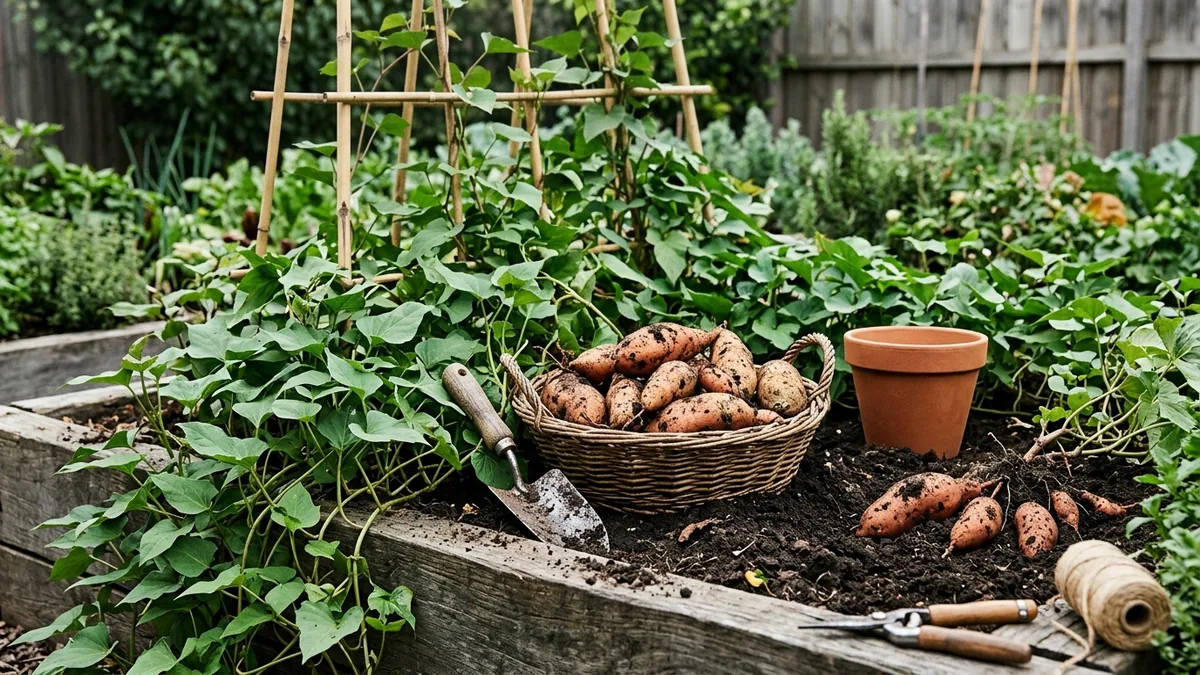
Four ways to cook home-grown kumara, and how to cure and store the crop so it lasts
Kumara is the one root crop in New Zealand cooking with its own place on the Sunday table, and home-grown kumara is worth the wait because it is dug fresh and cured properly. This page gives four recipes in exact quantities, then covers curing and storing a crop, which matters more for kumara than for almost any other vegetable.
Oven temperatures on this page are for a standard (non-fan) oven. If you bake with a fan, lower each temperature by 20 degrees and check the food a few minutes early.
The short answer: cut kumara in 3 cm wedges, toss with oil and salt and roast at 200°C for 35 to 40 minutes. Cure freshly dug tubers in a warm place for about a week and store them somewhere cool but never cold.
When kumara is planted and dug in New Zealand
Kumara is a tender, warm-season crop grown from slips, which are sprouted shoots planted out once the soil is warm. Our data gives about 150 days from planting to a harvestable tuber. These are the planting months for each region.
| Region | Planting months |
|---|---|
| Northland | Oct to Nov |
| Auckland | Oct to Nov |
| Waikato & Bay of Plenty | Oct to Nov |
| Central North Island | Nov |
| Wellington & Lower North Island | Nov to Dec |
| Nelson & Marlborough | Nov to Dec |
| Canterbury | Nov |
| Otago & Southland | Dec |
| Central Otago | Dec |
Add roughly 150 days to the planting month and you have the dig: slips planted in October in the north are ready from about March, and slips planted in December in the south are ready in May, before the first hard frost damages the vines. Our kumara growing guide covers slips, mounding and digging, the kumara slips guide shows how to start your own, and the kumara plant page has the quick facts.
Curing and storing kumara
Freshly dug kumara has thin skin that bruises easily, so handle it like eggs and do not wash it. Brush off loose soil and leave the tubers somewhere warm, around 25°C and humid, for 5 to 7 days. A warm glasshouse, a hot water cupboard or a covered spot in the sun works. Curing toughens the skin and heals small cuts, and the starch begins turning to sugar, which is why cured kumara tastes sweeter.
After curing, store the tubers in a cardboard box or crate in a cool, dry, dark cupboard at about 13 to 15°C. Do not put kumara in the fridge, because chilling damages the tubers and gives a hard core and an off taste when cooked. Check the box every week or two and use any that have gone soft, because one rotting tuber spreads to its neighbours. Well-cured kumara keeps for several months.
Orange, red and gold varieties differ in sweetness and texture. Orange-fleshed types are softer and sweeter and suit mash and loaves. Red-skinned, cream-fleshed types hold their shape better and suit roasting and salads.
Roast kumara wedges
Roast kumara is the simplest of the four recipes and works as a side dish or a base for the salad that follows. This feeds four as a side.
Ingredients
- 800 g kumara, scrubbed and cut in 3 cm wedges, skin on
- 2 tablespoons olive oil
- 1 teaspoon salt
- 1 teaspoon smoked paprika (optional)
Method
- Heat the oven to 200°C and line a large tray with baking paper.
- Toss the wedges with the oil, salt and paprika and spread them in a single layer with a little space between each.
- Roast for 35 to 40 minutes, turning once halfway, until the edges are caramelised and a knife slides in easily.
Leftover roast kumara keeps in the fridge for three days and is excellent in salads.
Warm kumara and bacon salad
This is a dinner salad for four, with the sweet kumara balanced by tangy dressing and salty bacon.
Ingredients
- 1 batch roast kumara wedges (above), warm
- 6 rashers bacon, diced
- 100 g baby spinach or rocket
- 100 g feta, crumbled
- 2 spring onions, sliced
- Dressing: 3 tablespoons olive oil, 1 tablespoon lemon juice, 1 teaspoon wholegrain mustard, 1 teaspoon honey, salt and pepper
Method
- Fry the bacon in a dry pan over medium heat for 6 to 8 minutes until crisp. Drain on paper towel.
- Whisk the dressing ingredients in a jar until combined.
- Put the spinach in a large bowl and top with the warm kumara, bacon, feta and spring onions.
- Drizzle over the dressing and toss gently just before serving so the leaves do not wilt.
Leave out the bacon for a vegetarian version. The salad keeps for a day, but the dressed leaves go limp, so dress only what you will eat.
Kumara and date loaf
A moist loaf that keeps well and suits a lunchbox. It makes one 21 by 11 cm loaf, about 10 slices.
Ingredients
- 250 g peeled, cooked and mashed kumara, cooled
- 200 g plain flour
- 2 teaspoons baking powder
- 1 teaspoon ground cinnamon
- 1/2 teaspoon ground ginger
- 100 g brown sugar
- 150 g chopped dates
- 2 eggs
- 80 ml vegetable oil
- 60 ml milk
Method
- Heat the oven to 180°C and grease and line a loaf tin.
- Mix the flour, baking powder, spices and brown sugar in a large bowl and stir through the dates so they do not clump.
- Whisk the mashed kumara, eggs, oil and milk in a jug until smooth.
- Fold the wet mix into the dry until just combined.
- Spoon into the tin and bake for 50 to 55 minutes until a skewer comes out clean. Cool in the tin for 10 minutes, then on a rack.
The loaf keeps for three days in an airtight container or freezes in slices for up to three months. It is lovely with butter.
Kumara mash with butter and nutmeg
Kumara mash is sweeter than potato and needs less butter. This serves four.
Ingredients
- 800 g kumara, peeled and cut in 4 cm chunks
- 30 g butter
- 2 tablespoons milk
- 1/2 teaspoon salt
- A pinch of grated nutmeg
Method
- Put the kumara in a pot of cold water, bring to the boil and simmer for 15 to 20 minutes until a knife goes in easily.
- Drain well and let the steam escape for 2 minutes in the pot.
- Mash with the butter, milk, salt and nutmeg until smooth, adding a splash more milk if needed.
Mash keeps for three days in the fridge and freezes in portions for up to three months.
Quick reference
| Recipe | Kumara needed | Oven or cook | Time | Keeps |
|---|---|---|---|---|
| Roast wedges (4 serves) | 800 g | 200°C | 35 to 40 minutes | 3 days in the fridge |
| Warm salad (4 serves) | 800 g roasted | As above | Plus 8 minutes for the bacon | 1 day dressed |
| Date loaf (10 slices) | 250 g mashed | 180°C | 50 to 55 minutes | 3 days, or 3 months frozen |
| Mash (4 serves) | 800 g | Simmer | 15 to 20 minutes | 3 days, or 3 months frozen |
Questions
Why cure kumara?
Curing in a warm, humid place for 5 to 7 days toughens the skin, heals small cuts and starts turning starch into sugar, so cured kumara keeps longer and tastes sweeter.
Can you store kumara in the fridge?
No. Chilling damages kumara and gives a hard core and an off taste. Keep cured tubers in a cool, dry, dark cupboard at about 13 to 15°C.
How long does kumara take to grow?
Our data uses about 150 days from planting slips to a harvestable tuber, so slips planted from October are dug from about March.
Which kumara is best for roasting?
Red-skinned, cream-fleshed kumara holds its shape well when roasted. Orange types are softer and sweeter and suit mash and baking.
Is kumara the same as sweet potato?
Kumara is the New Zealand name for the sweet potato. The plant is the same species, though the varieties grown here differ from those sold in other countries.
Sources
- New Zealand Food Safety (MPI): food safety in the home
- National Center for Home Food Preservation: tested home preserving methods
Plant profile
The kumara profile has sowing times for your region, companion plants and common pests.