Bee-Friendly Planting in New Zealand
Updated June 2026
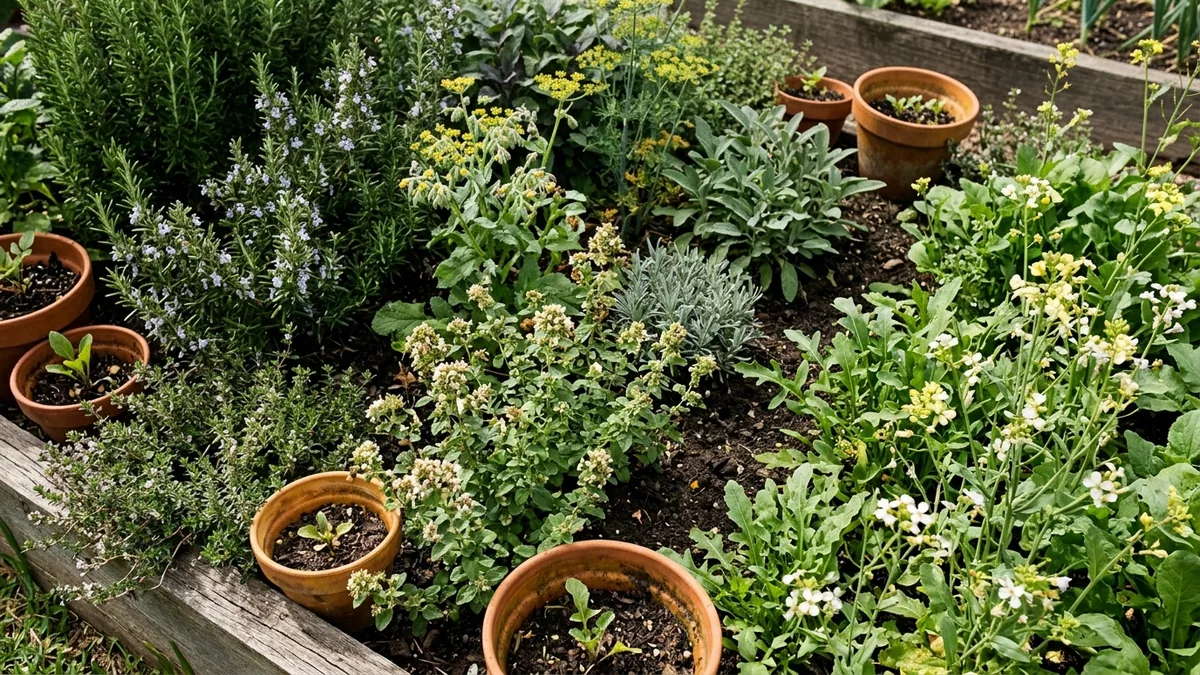
Plant a garden bees love, with bloom from spring to autumn and the natives that feed them
Bees are the quiet workforce behind a productive garden. Roughly a third of the food we eat depends on pollinators, and your tomatoes, beans, fruit and pumpkins all set better crops when bees are around. The good news is that helping them is simple and beautiful. Plant the right flowers, keep something in bloom across the seasons, skip the harmful sprays, and your garden becomes a haven for honey bees, native bees and other pollinators alike.
This guide covers why bees matter, how to plant for continuous bloom so you avoid the dreaded flower gap, the top bee plants and New Zealand natives, how to garden without harming bees, water for bees, and the difference between native bees and honey bees. Use the picker below to see exactly what to plant for bees in each New Zealand season.
Why Bees Matter
Bees pollinate as they forage, moving pollen between flowers so plants can set fruit and seed. In the vegetable garden that means fuller crops of everything from courgettes and cucumbers to apples and feijoas. Beyond your fence, bees pollinate the wider landscape that feeds us all. Honey bees do a huge share of this work, but our native bees and other insects matter just as much, and many are under pressure from habitat loss and sprays. A bee-friendly garden is one of the most useful things a household can do for the food system, and it makes your own patch more productive at the same time.
What to Plant for Bees, by Season
Pick the New Zealand season you are planting for and this tool shows bee-friendly edibles and herbs, flowers, and natives that are in bloom or worth planting then. Aim to have something from each group flowering across the year.
Planting for Continuous Bloom
The single most useful idea in bee-friendly gardening is continuous bloom. Bees need food across the whole season, not one big flush in spring followed by a hungry gap. A garden that flowers from early spring right through autumn, with a few winter flowers as well, keeps bees fed and present all year, which also means better pollination of your crops.
Build it by choosing a spread of plants that peak at different times, letting some herbs and vegetables flower instead of pulling them the moment they bolt, and staggering plantings of bee favourites like phacelia and borage. Plant in generous clumps rather than single plants, since a drift of one flower is far easier for bees to work than scattered singles. Aim to never have a week in the warmer months with nothing in bloom.
Top Bee Plants and New Zealand Natives
A handful of plants do most of the heavy lifting for bees. The classics are borage, lavender, salvia, phacelia, sunflowers, and flowering herbs such as rosemary, oregano, thyme and basil left to flower. Spring fruit blossom is a feast. Among New Zealand natives, manuka and kanuka, pohutukawa, hebe, kowhai and harakeke (flax) are superb and suit local conditions once established.
| Plant | Type | Bloom season (NZ) | Why bees love it |
|---|---|---|---|
| Borage | Herb / flower | Spring to autumn | Refills nectar fast, flowers for months, a bee magnet |
| Lavender | Herb / flower | Summer | Long-lasting, scented, rich in nectar |
| Phacelia | Flower / green manure | Spring to autumn | One of the best nectar plants you can sow |
| Salvia | Flower / herb | Summer to autumn | Long flowering, feeds bees late in the season |
| Sunflower | Flower / edible | Summer | Big landing pads packed with pollen |
| Rosemary | Herb | Winter to spring | Flowers when little else does, an early lifeline |
| Manuka and kanuka | Native shrub / tree | Spring to summer | Famous nectar source, feeds native and honey bees |
| Pohutukawa | Native tree | Summer | Masses of nectar-rich flowers in midsummer |
| Kowhai | Native tree | Spring | Early, abundant nectar as the season starts |
| Hebe | Native shrub | Spring to autumn | Long flowering, easy, loved by many pollinators |
Avoiding Bee-Harming Sprays
Even the best bee garden can be undone by careless spraying. Many insecticides are toxic to bees, and some can be carried back to the hive or nest. The safest path is to avoid chemical sprays altogether and rely on non-chemical methods first, such as hand removal, barriers, healthy soil and encouraging the beneficial insects that keep pests in check.
If you must spray, protect the bees
Never spray open flowers. Blooms are where bees feed, so spraying them is the most direct way to do harm.
Spray only in the evening, when bees have stopped foraging for the day, and choose the least harmful product, following the label exactly.
Even homemade and organic sprays can harm bees. Keep all spraying off blooms and away from foraging times, whatever the product. For gentler, bee-aware options, see our homemade feeds and sprays guide.
Water for Bees
Bees need water as well as flowers, especially through a hot summer, and many gardeners forget it. The trick is to give them somewhere safe to drink without drowning. Use a shallow dish or bird bath and add stones, marbles or floating corks so bees have landing spots just above the waterline. Keep it topped up and place it in a sunny, sheltered spot near your flowers. A reliable water source also keeps bees away from pools, pet bowls and dripping taps, which makes everyone happier.
Native Bees and Honey Bees
When most people picture a bee they picture the honey bee, which is an introduced species that lives in large social colonies and makes honey. New Zealand also has around 28 species of native bee, and they are easy to overlook. They are mostly small, solitary ground-nesters in genera such as Leioproctus, Lasioglossum and Hylaeus, and unlike honey bees they are effectively stingless to people. They are important pollinators in their own right.
You can support native bees with two simple habits. Leave some patches of bare, undisturbed, well-drained ground where the solitary ground-nesters can dig their burrows, and avoid sprays that would poison them. Combined with flowers across the seasons, that turns your garden into a refuge for native bees as well as honey bees.
New Zealand Seasonal Note
New Zealand runs on southern-hemisphere seasons, so plant for bloom that flows through spring (September to November), summer (December to February) and autumn (March to May), with a few winter flowers like rosemary and hellebore to bridge June to August. Native trees such as kowhai in spring and pohutukawa in summer add big, reliable nectar flows. Timing shifts with region, arriving earlier in the warm north around Kerikeri and later in the cool south near Invercargill, so lean on local natives and adjust your planting dates to suit. For timing tuned to your exact spot, use Find My Region or open the Planting Season app.
Plan a year of bloom for your bees
Planting Season helps you line up continuous bloom across the seasons and weave bee plants through your vegetable beds, so your garden feeds bees and your crops get pollinated.
Open the App →Frequently Asked Questions
What are the best plants for bees in New Zealand?
Some of the best bee plants are borage, lavender, salvia, phacelia, sunflowers, flowering herbs such as rosemary, oregano, thyme and basil left to flower, and fruit blossom in spring. Among New Zealand natives, manuka, kanuka, pohutukawa, hebe, kowhai and harakeke (flax) are excellent. The real secret is variety and timing, so something is always in bloom from spring through autumn rather than one big flush and then nothing.
How do I keep bees fed all year?
Plant for continuous bloom and avoid the flower gap. Choose a mix of plants that bloom across spring, summer and autumn, and include a few winter flowers like rosemary and hellebore plus early natives. Let some herbs and vegetables bolt and flower instead of pulling them straight away, and stagger plantings. The goal is an unbroken supply of pollen and nectar across the whole season, not a single short burst.
Which New Zealand native plants are good for bees?
Excellent native choices include manuka and kanuka, pohutukawa, kowhai, hebe and harakeke (flax). These feed both honey bees and our native bees and suit local conditions once established. Manuka is famous for the honey it produces. Planting natives alongside garden flowers and flowering herbs gives bees a broad, reliable food supply and supports the wider ecosystem at the same time.
How can I avoid harming bees with sprays?
The safest approach is to avoid chemical sprays and lean on non-chemical methods first, such as hand removal, barriers and encouraging beneficial insects. If you must use any spray, never spray open flowers, and spray only in the evening when bees are not foraging, choosing the least harmful product and following the label exactly. Even some homemade and organic sprays can harm bees, so keep all spraying off blooms and away from foraging times.
Should I provide water for bees?
Yes, a water source helps a great deal, especially in summer. Use a shallow dish or bird bath and add stones, marbles or floating corks so bees have somewhere safe to land and drink without drowning. Keep it topped up and in a sunny, sheltered spot near your flowers. A reliable water source also stops bees visiting pools, pet bowls and taps, which keeps everyone happier.
What is the difference between native bees and honey bees in New Zealand?
The honey bee is introduced, lives in large social colonies, makes honey and is what most people picture. New Zealand also has around 28 species of native bee, which are mostly small, solitary ground-nesters in genera such as Leioproctus, Lasioglossum and Hylaeus. Native bees are effectively stingless to people and are important pollinators. You can support them by leaving some bare, undisturbed ground for nesting and by avoiding sprays.
Do I need a hive to help bees?
Not at all. Planting for bees helps honey bees, native bees and other pollinators whether or not you keep a hive. A garden with continuous bloom, native plants, a water source and no harmful sprays does enormous good on its own. If you do go on to keep bees, see our beekeeping for beginners guide for the duties and the bee year, but the garden comes first and helps everyone.
Will bee-friendly plants attract wasps too?
Flowering plants mainly draw bees, hoverflies and butterflies to nectar and pollen. Wasps are more often drawn to protein and sugary food and drink, so a flowering garden is not a wasp magnet by itself. If wasps are a problem, deal with the nest or food source rather than removing flowers. Keeping a tidy garden, covering food outdoors and managing rubbish does more to reduce wasps than avoiding bee plants.
See also: How to Grow Borage and How to Grow Lavender