
Beekeeping for Beginners in New Zealand
Updated June 2026
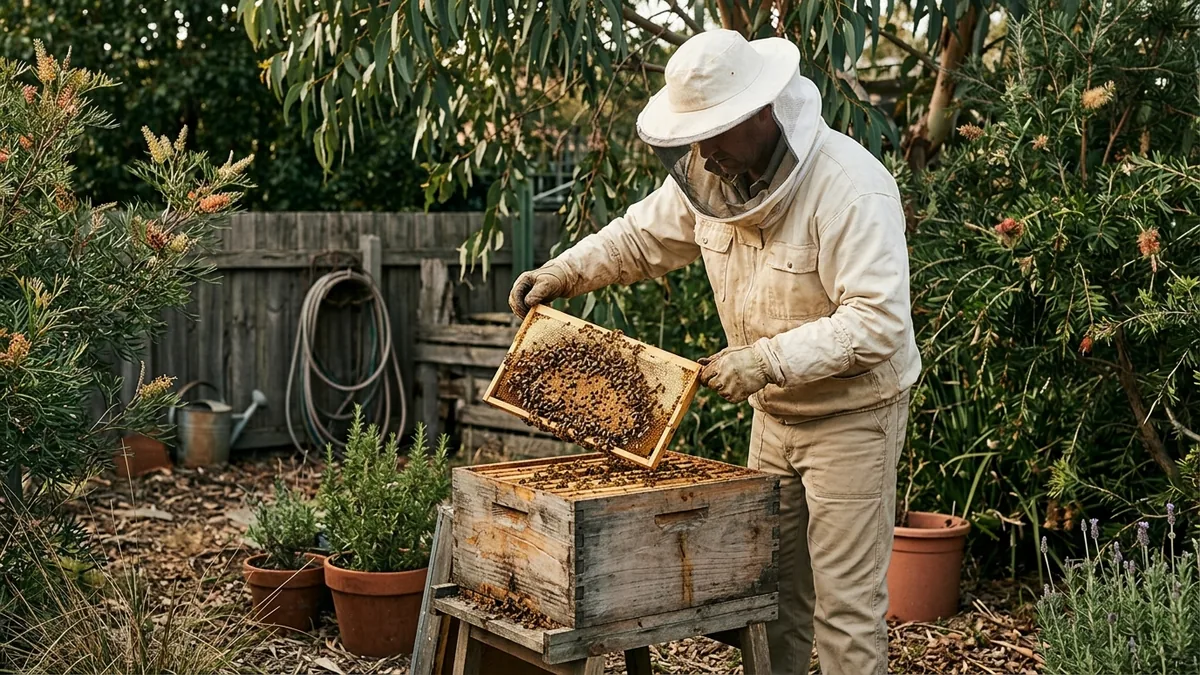
An honest, responsible guide to your first hive, from the legal duties to the bee year
Keeping bees is one of the most rewarding things you can do in a backyard. You pollinate your own garden and your neighbourhood, you learn a small and fascinating world, and in time you get honey. It is also a real commitment with real duties, including legal ones, and it is not the right fit for everyone. This guide gives you the honest picture so you can decide well and start right.
We cover whether beekeeping suits you, the main hive types and their genuine trade-offs, how to get your first bees, the bee year, and a realistic view of honey. We also lay out your responsibilities in New Zealand, where registering hives and managing varroa are not optional. Use the interactive first-year checklist below to see the whole arc of your first season at a glance.
Your legal and responsible duties in New Zealand
You must register all of your hives. In New Zealand it is a legal requirement to register every hive. Hives are registered under the American Foulbrood Pest Management Plan (the AFB PMP), administered by the Management Agency, with industry bodies such as Apiculture New Zealand and AsureQuality involved in running and supporting it. Registration and inspection exist to find and control American Foulbrood, a serious notifiable bee disease, and beekeepers must comply with the AFB National Pest Management Plan.
You must manage varroa. The varroa mite is established throughout New Zealand and will destroy an untreated colony. Ongoing varroa management, meaning regular monitoring and timely treatment, is essential to keep bees alive here.
Always check the current rules. The exact registration process, contacts and varroa guidance change over time. Before you get bees, confirm the current requirements with Apiculture New Zealand (ApiNZ), AsureQuality or MPI, and follow current varroa guidance, rather than relying on any fixed claim on a web page.
Is Beekeeping for You?
Before you buy a single frame, be honest about the fit. Bees are livestock, and they need attention on their schedule, not yours.
- Time. Through spring and summer you inspect each hive every week or two, plus varroa monitoring, treatment, feeding when needed and harvest. The work happens when the bees need it, across the warmer months.
- Cost. A hive, gear, tools and a colony of bees add up before you see any honey, and there are ongoing costs for treatments, frames and feed. Treat year one as learning, not saving.
- Stings and allergies. Most stings are a brief nuisance, but a small number of people react severely. Check whether anyone in your household has a known allergy, and get medical advice first if so.
- Neighbours and placement. You need a spot where the flight path crosses your own space, not a neighbour's door or washing line, with a water source nearby. A friendly word with neighbours prevents most issues.
Hive Types Compared
There is no single best hive, only the one that suits your budget, your goals and the support you can get locally. Here is an honest comparison of the three you are most likely to consider in New Zealand.
| Hive type | How it works | Pros | Cons | Good for |
|---|---|---|---|---|
| Langstroth | Stacked boxes of removable frames, the standard worldwide and in New Zealand. | Parts, advice and local support everywhere, easy to expand, easy to inspect. | Honey supers are heavy to lift, harvest needs an extractor or help. | Most beginners, the sensible default. |
| Flow Hive | A Langstroth-style hive with special frames you tap to drain honey without opening the brood. | Harvest is far easier and tidier, less lifting at harvest time. | Higher cost, still needs full inspections and varroa management like any hive. | Keepers who want easier harvest and will still do the real care. |
| Top-bar | A single long horizontal hive where bees build comb down from bars, no frames or foundation. | No heavy lifting, lower cost to build, a gentle low-tech style. | Less local support and fewer parts, lower honey yields, comb is fragile. | Hands-on keepers happy to go their own way. |
Getting Your First Bees
You have three main ways to start a colony, and they are not equal for a beginner.
A nucleus colony (nuc)
The best beginner option. A nuc is a small, already-working colony with a laying queen, brood and bees on a few frames. It establishes quickly and is the gentlest start. Order early, as good nucs sell out.
A package of bees
A box of loose bees with a caged queen, less common in New Zealand. Cheaper but slower to settle than a nuc and a steeper learning curve for a first-timer.
A caught swarm
Free bees, but unpredictable. The temperament, health and queen quality are unknown, and you may inherit disease or varroa load. Better once you have some experience.
Basic gear to start
A full hive, a bee suit or jacket and gloves, a smoker, a hive tool and a bee brush. Add a feeder, varroa monitoring and treatment supplies, and later extraction gear.
The Bee Year and Honest Honey Expectations
A colony follows the seasons. Knowing the rhythm helps you keep up rather than scramble.
- Spring (September to November): the colony builds fast. Set up, install your nuc, start regular inspections, and watch for the swarming urge as numbers climb.
- Summer (December to February): peak activity and the main honey flow. Keep up inspections, give the bees room, monitor varroa, and harvest only surplus.
- Autumn (March to May): the colony winds down. Complete varroa treatment, make sure they have enough stores, and feed if light going into the cold.
- Winter (June to August): quiet. Leave the cluster alone, keep the hive dry and sheltered, and only check from outside. Plan and clean gear for next season.
On honey, be realistic. A new colony spends its first season building comb, raising brood and storing enough to survive winter, and that comes before any surplus for you. Many beekeepers harvest little or nothing in year one and see their first real crop in the second season. Taking honey too early can leave the colony short. Let it get established first, and treat early honey as a bonus, not the goal.
Your First-Year Checklist
This interactive checklist walks through a typical first season in New Zealand, grouped by season. Tick items off to see your progress. Nothing is saved, so it resets when you reload, it is a planning aid rather than a record.
A planning guide only. Confirm current registration and varroa requirements with ApiNZ, AsureQuality or MPI.
New Zealand Seasonal Note
New Zealand runs on southern-hemisphere seasons, so the bee year above is flipped from the northern guides you may read online. Spring build-up is September to November, the main flow is over summer from December to February, and the colony clusters through winter from June to August. Timing shifts with region, arriving earlier and lasting longer in the warm north around Kerikeri, and running later and shorter in the cool south near Invercargill. For timing tuned to your exact spot, use Find My Region or open the Planting Season app, and join a local beekeeping club for advice grounded in your district.
Plan a garden your bees will love
Planting Season helps you line up bee-friendly bloom across the whole season and keep the garden, flock and hives working together. Plan your beds and give your bees forage from spring to autumn.
Open the App →Frequently Asked Questions
Do I have to register my beehives in New Zealand?
Yes. In New Zealand it is a legal requirement to register all hives. Hives are registered under the American Foulbrood Pest Management Plan, which is run by the Management Agency and supported by industry bodies such as Apiculture New Zealand and AsureQuality. Registration helps track and control American Foulbrood, a serious bee disease. Because the exact process and contacts can change, check the current requirements with ApiNZ, AsureQuality or MPI before you get bees, rather than relying on a fixed instruction.
What is varroa and do I have to treat for it?
Varroa is a parasitic mite that is established throughout New Zealand and that will kill an untreated colony over time. Ongoing varroa management, meaning regular monitoring of mite levels and timely treatment, is essential for keeping bees alive here. Treatment products and best practice change, so follow current guidance from ApiNZ, AsureQuality or MPI and rotate treatments as advised rather than relying on one fixed approach.
How much does it cost to start beekeeping?
Expect a real outlay to begin. A full hive setup, protective gear, a smoker and basic tools, plus a nucleus colony of bees, add up before you harvest a drop of honey. Ongoing costs include varroa treatments, replacement frames and foundation, feed when needed, and eventually extraction gear. Joining a local club and buying secondhand carefully can reduce the cost. Treat the first year or two as an investment in learning, not a way to save money on honey.
Will I get honey in my first year?
Often not much, and that is normal. A new colony spends its first season building comb, raising brood and storing enough honey to survive its first winter, which comes first. Taking honey too early can leave the colony short and at risk. Many beekeepers harvest little or nothing in year one and see their first real surplus in the second season. Manage your expectations and let the colony get established first.
What is the best hive type for a beginner?
The Langstroth hive is the most common choice in New Zealand and the easiest to get parts, advice and local support for, which makes it a sensible default for beginners. Flow Hives make harvesting easier but cost more and still need the same inspections and varroa management as any hive. Top-bar hives are foundationless and appeal to some keepers but have less local support. Whatever you choose, the bees still need the same care.
Do I need to tell my neighbours before keeping bees?
It is wise to. Even though bees are generally calm, placement matters for everyone's comfort and safety. Position the hive so the flight path crosses your own space rather than a neighbour's doorway or washing line, provide a nearby water source so bees do not visit pools and taps next door, and talk to neighbours about any allergies. Good placement and a friendly conversation prevent most problems before they start.
Are bee stings a serious risk?
For most people a sting is a brief, painful nuisance, but a small number of people have severe allergic reactions, which can be dangerous. Before keeping bees, consider whether you or anyone in your household has a known allergy, wear good protective gear, learn calm handling, and keep an action plan for reactions. If anyone in the home has a serious sting allergy, get medical advice before setting up a hive at home.
How much time does beekeeping take?
Less than many expect day to day, but it is seasonal and cannot be skipped. Through spring and summer you inspect hives roughly every week or two, which takes under an hour per hive once you are practised. Add time for varroa monitoring and treatment, feeding when needed, and harvest. Winter is quiet. The key is that the work happens when the bees need it, not when it suits you, so you must be available across the warmer months.
See also: Bee-Friendly Planting and the Bees section