
Updated November 2026
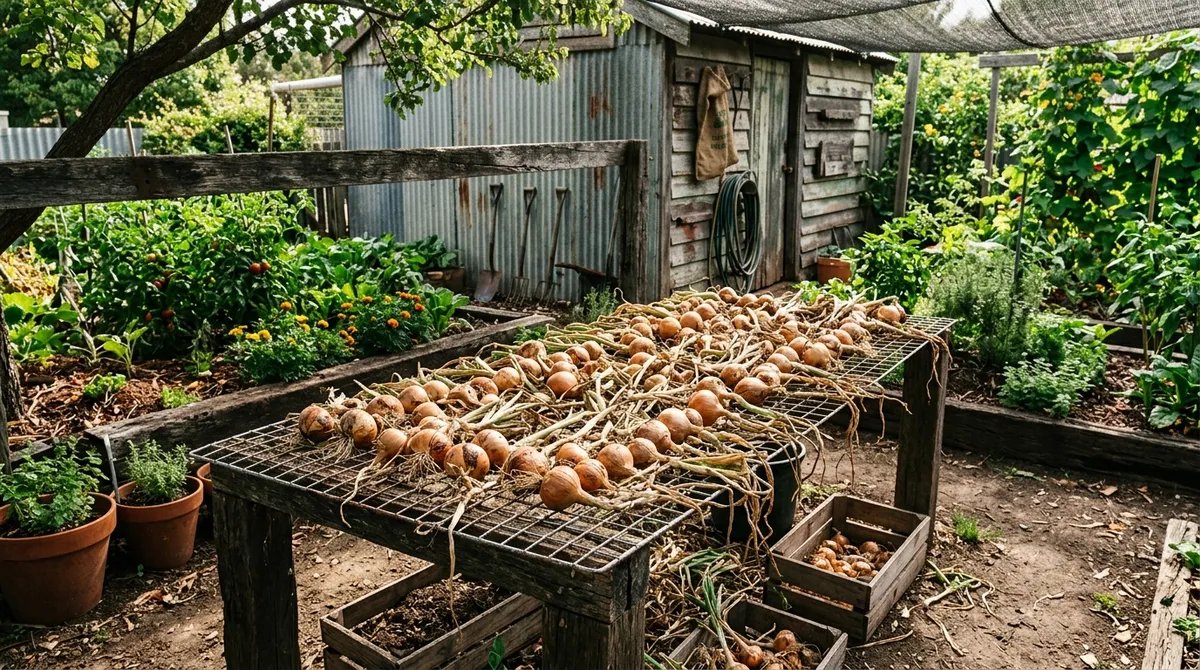
Emergency food supply: a 3 day kit first, then a garden pantry
The kit covers the first few days. A garden, a few long-keeping crops and some simple preserving take care of the weeks and months after.
Governments and emergency services are asking households to be ready to look after themselves for a few days if the power, water or shops go out. That advice is sound, and it is the place to start. Get the kit right first, then let the garden take care of the weeks and months after.
Start with the official kit
The national advice is to be able to look after yourself and your household for at least three days, and to consider having enough food for two weeks. Get Ready and your regional Civil Defence group have the checklists, and they are worth following exactly: water, food that needs no cooking, a torch, a radio, medicines, copies of documents and some cash, since EFTPOS may not work in an outage. The aim is to be ready, not to empty the shelves.
- Get Ready: prepare your household
- Home emergency checklist (govt.nz)
- Your regional Civil Defence group for local hazards
A garden does not replace any of that. What it adds is food that keeps coming after the tins run out, and the skills to grow and keep it.
Why a garden matters for food security
A tin of beans is one meal. A bed of beans is weeks of meals, and the seed you save from it is next season's crop. Home gardens also smooth out the price spikes and empty shelves that follow floods and supply problems, because the food is already outside your back door.
The garden works on a different clock to the kit. It gives you fresh food within a month or two, food that stores for months, and a supply that carries on as long as you keep sowing.
What to plant in November, region by region
These come straight from each region's planting calendar for November. Quick crops can be on the plate in about two months or less; keeping crops store for months once harvested. Open your region for the full list.
| Region | Quick crops to sow in November | Keeping crops to sow in November |
|---|---|---|
| Northland | Amaranth (30 days), Radish (30 days), Watercress (40 days), Lettuce (55 days), Cucumber (60 days), Silverbeet (60 days), Spring Onion (60 days) and Zucchini (60 days) | Pumpkin, Winter squash, Kūmara and Sunflower |
| Auckland | Amaranth (30 days), Radish (30 days), Watercress (40 days), Lettuce (55 days), Cucumber (60 days), Silverbeet (60 days), Spring Onion (60 days) and Zucchini (60 days) | Pumpkin, Winter squash, Kūmara and Sunflower |
| Waikato & Bay of Plenty | Amaranth (30 days), Radish (30 days), Watercress (40 days), Lettuce (55 days), Cucumber (60 days), Silverbeet (60 days), Spring Onion (60 days) and Zucchini (60 days) | Pumpkin, Winter squash, Kūmara and Sunflower |
| Central North Island | Amaranth (30 days), Radish (30 days), Watercress (40 days), Lettuce (55 days), Cucumber (60 days), Silverbeet (60 days), Spring Onion (60 days) and Zucchini (60 days) | Pumpkin, Winter squash, Potato, Kūmara and Sunflower |
| Wellington & Lower North Island | Amaranth (30 days), Radish (30 days), Watercress (40 days), Lettuce (55 days), Cucumber (60 days), Silverbeet (60 days), Spring Onion (60 days) and Zucchini (60 days) | Pumpkin, Winter squash, Kūmara and Sunflower |
| Nelson & Marlborough | Amaranth (30 days), Radish (30 days), Watercress (40 days), Lettuce (55 days), Cucumber (60 days), Silverbeet (60 days), Spring Onion (60 days) and Zucchini (60 days) | Pumpkin, Winter squash, Kūmara and Sunflower |
| Canterbury | Amaranth (30 days), Radish (30 days), Komatsuna (35 days), Mibuna (35 days), Mizuna (40 days), Mustard Greens (40 days), Rocket (40 days), Watercress (40 days), Endive (45 days) and Tatsoi (45 days) | Pumpkin, Winter squash, Potato, Kūmara and Sunflower |
| Otago & Southland | Radish (30 days), Komatsuna (35 days), Mibuna (35 days), Mizuna (40 days), Mustard Greens (40 days), Rocket (40 days), Watercress (40 days), Endive (45 days), Tatsoi (45 days) and Bok Choy (50 days) | Potato and Sunflower |
| Central Otago | Amaranth (30 days), Radish (30 days), Mustard Greens (40 days), Rocket (40 days), Watercress (40 days), Endive (45 days), Gai Lan (55 days), Lettuce (55 days), Turnip (55 days) and Daikon (60 days) | Potato |
Quick crops: food in 30 to 60 days
These are the fastest crops to put on the plate, and the table above shows which ones suit your region this month. Cut and come again greens such as silverbeet and Asian greens are the best value for space: pick the outer leaves and the plant keeps producing for months.
Crops that keep for months
This is the food storage side of a garden: crops you grow once and eat for months without a freezer.
| Crop | How long it keeps |
|---|---|
| Pumpkin | Whole, in a cool dry place, up to 3 months |
| Winter squash | In a cool dry place, 2 to 3 months |
| Onion | Dry, cool, dark place, up to 3 months |
| Garlic | Dry, cool, dark place, up to 3 months |
| Shallot | Cured well, 6 to 8 months in a cool dark cupboard |
| Potato | Cool, dark, dry place, up to 2 months; keep away from light |
| Kūmara | Cool, dry, dark place, up to a month; not in the fridge |
| Sunflower seeds and dried beans | Dried thoroughly, in sealed jars for months |
Each has its own sowing window in each region, so plan them in now: your region's calendar shows when.
Keep the surplus: freezing, drying and bottling
A glut is a pantry waiting to happen. Freezing is the simplest. Drying suits herbs, chillies, beans and fruit. Bottling and pickling need care, because the safety rules matter; our preserving guides follow the official food safety advice, and anything low in acid, such as vegetables, beans and meat, needs a pressure canner, not a water bath.
- Preserving the harvest
- What to preserve: the picker
- Freezing the harvest
- Dehydrating
- Pressure canning
Eggs, and a few other extras
A few backyard hens turn kitchen scraps into eggs most days. Our chicken breed picker matches breeds to your climate, and Can chickens eat...? covers what they can and cannot eat. Seed saving closes the loop, so next season's crop costs nothing.
Water: the garden and the tank
Water is the first thing in any emergency kit, and the tap is where it should come from first. A rainwater tank adds a store for the garden. Our free council stuff page lists what your council offers gardeners, from compost bins to workshops. Get Ready explains how to store emergency water safely; if you are thinking about drinking roof water, follow your council and public health advice. We do not give drinking water advice.
How much to grow
Our harvest calculator works out how much of each crop to plant for the people in your house. Start small: one bed of quick greens and one of a keeping crop is a real step, and you can add from there.
Track it in the free app
The Planting Season app tells you what to sow each month for your region, tracks every bed and harvest, and keeps a pantry and freezer list, so you can see what you have put away.
Frequently asked questions
Does a vegetable garden replace an emergency kit?
No. Follow the Get Ready household checklist first. A garden adds fresh food in the weeks and months after, once the kit has done its job.
What vegetables grow fastest?
Leafy greens, Asian greens, amaranth, beans, zucchini, cucumber and spring onions can be ready in about 30 to 60 days, depending on your region and the month.
Which vegetables store the longest without a fridge?
Whole pumpkins and winter squash keep for 2 to 3 months in a cool dry place, onions and garlic up to 3 months, and well cured shallots 6 to 8 months.