How to Grow Blood Oranges in New Zealand
Updated September 2026
Red fleshed oranges that need cool nights to colour

Blood oranges have crimson or streaked red flesh and a flavour with a hint of berry. The colour comes from pigments that develop only when winter nights turn cool while the fruit ripens, which is why a blood orange grown in a warm, frost free spot can stay orange inside.
That gives New Zealand gardeners outside the far north an advantage. Grow a blood orange like a navel orange, in a sunny spot sheltered from frost, and let the cool nights do the rest.
Where Blood Oranges Grow in New Zealand
Blood oranges grow in Northland and Auckland, planted from September to November, although the warmth there means the flesh may colour less. In Waikato and the Bay of Plenty plant in October or November in a sunny, sheltered spot; cooler inland nights help colour the flesh. In Wellington and the lower North Island plant in October or November in a warm spot out of the wind. Nelson and Marlborough suit them well: plant after the frosts, in October or November, and the cool nights and high sunshine give well coloured fruit. Canterbury is marginal. Plant in November against a warm wall and cover young trees through winter frosts.
The Central North Island is too frosty for blood oranges outdoors. Otago and Southland are too cold, and hard frosts rule them out in Central Otago. Choose your region below for local planting months.
Varieties to Look For
Tarocco
A large, sweet blood orange with red blushed skin and flesh streaked with red. Low in seeds and good for eating fresh.
Moro
The deepest coloured blood orange, often red right through, with a strong berry flavour. Ripens earlier than Tarocco.
Sanguinello
A late ripening variety with red streaked flesh and a sweet flavour that holds on the tree well.
Planting
Plant container grown trees in spring once the frosts are over. Blood oranges want full sun, shelter from frost and wind, and free draining soil with a pH of about 6 to 7.5.
- Allow about 4 metres between trees. A blood orange grows 3 to 5 metres tall, less on dwarfing rootstock.
- Plant at pot depth with the graft union above soil level, water in well and mulch, keeping mulch clear of the trunk.
- In Canterbury and other frosty sites, plant against a north facing wall and keep frost cloth ready.
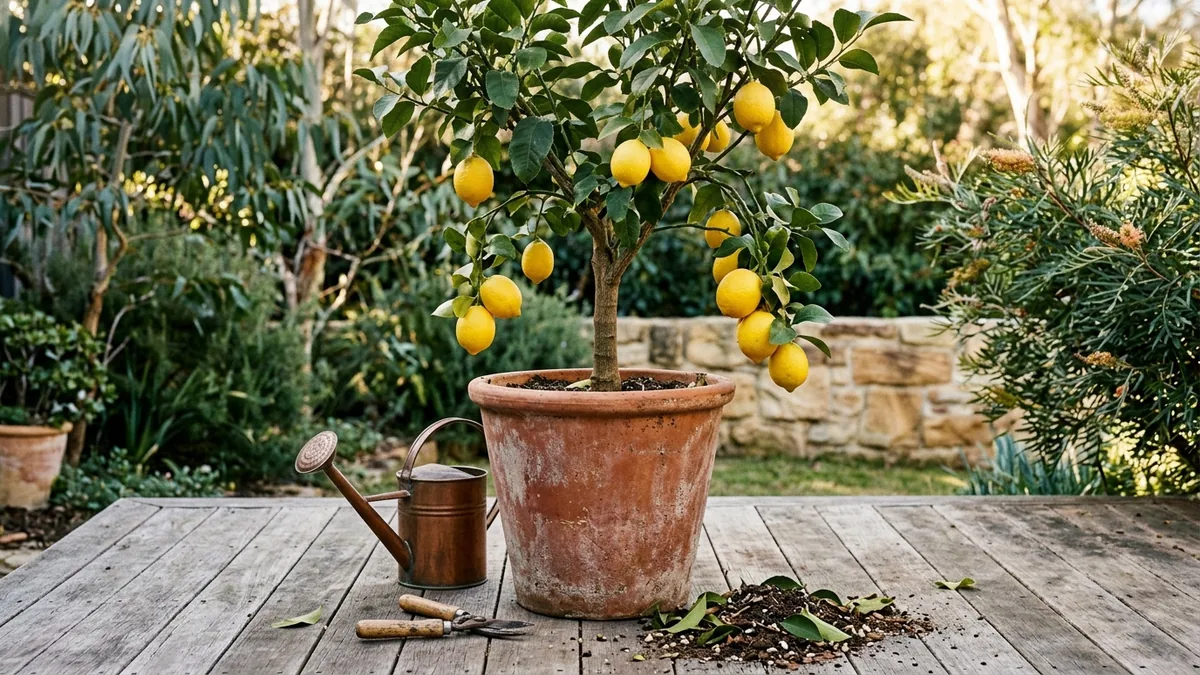
- Dwarf blood oranges grow well in a pot at least 50 centimetres wide. See our guide to growing citrus in pots.
Care and Pollination
Pollination. Blood oranges are self fertile, so one tree fruits on its own. Bees work the scented spring flowers.
Watering. Water deeply and regularly from flowering through summer, and mulch to keep moisture even. Dry spells followed by heavy rain split the fruit.
Feeding. Feed four times a year with a complete citrus fertiliser, in August, November, January and April, the same schedule as other oranges. See our orange growing guide.
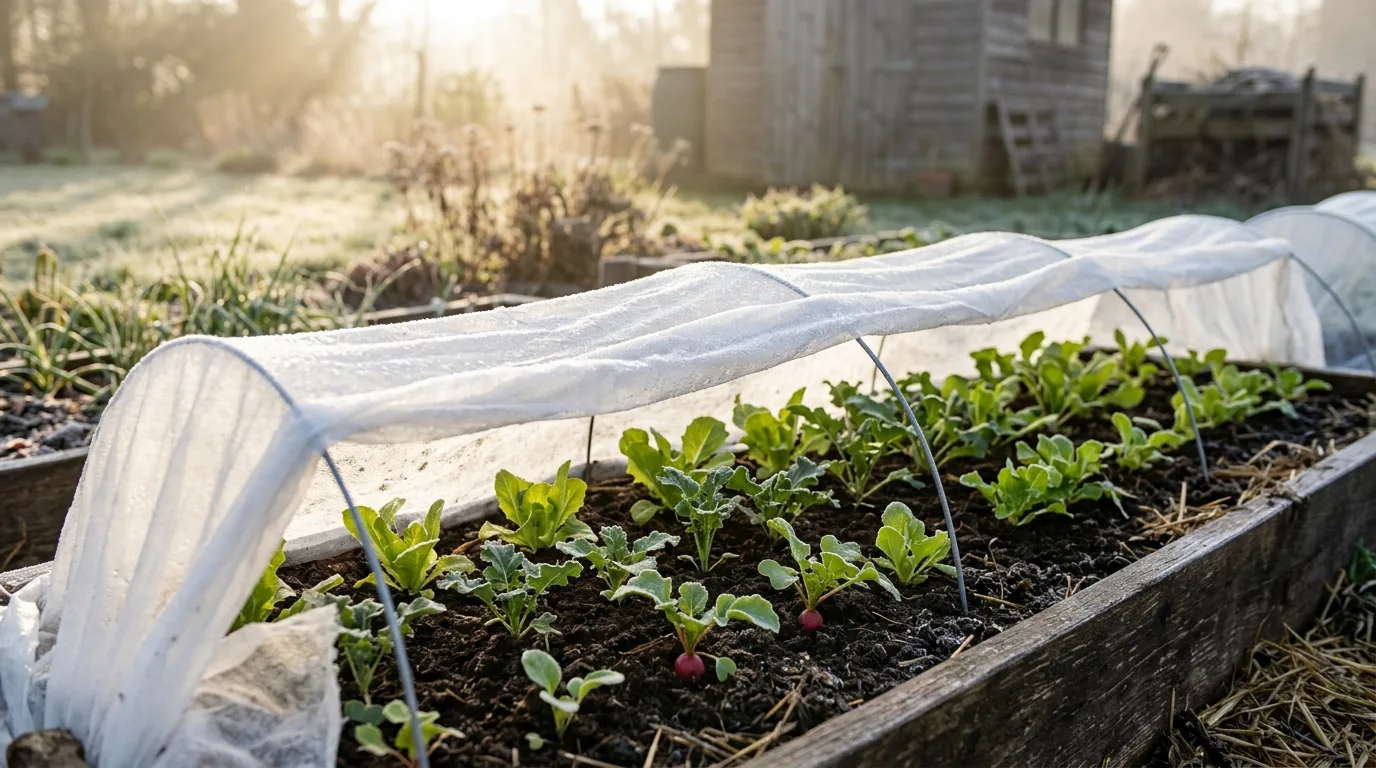
Frost. Cover young trees with frost cloth on cold nights. See our guide to protecting your garden from frost.
Pruning. Prune lightly after harvest and after the frosts, removing dead wood and shoots from below the graft.
Pests and Diseases
- Scale: Brown or white bumps on stems and leaves, often with black sooty mould growing on the sticky honeydew. Spray with horticultural oil.
- Aphids and mealybug: Cluster on soft new growth. Horticultural oil or a firm jet of water deals with light infestations.
- Citrus leaf miner: Silvery trails in new leaves, which then curl. Spray new flushes of growth with horticultural oil.
- Guava moth: The fruit pest that matters most in the warmer parts of the country. The caterpillar tunnels into developing fruit, citrus included. Use pheromone traps to tell when the moth is active, and bin fallen fruit sealed rather than composting it.
- Lemon tree borer: A native beetle whose larvae tunnel inside branches, leaving small holes and sawdust. Cut out and burn dead or wilting twigs below the damage.
- Collar rot: Oozing, cracked bark at the base of the trunk in wet soil. Keep mulch well clear of the trunk and plant only where water drains away.
- Citrus scab (verrucosis): Raised, corky scabs on young leaves and fruit, worst after wet springs. It spoils the look of the skin more than the flesh. A copper spray as the petals fall protects new fruit.
For more detail, see our pest management guide.
Harvest and Storage
Blood oranges ripen in winter and spring. The red colour deepens the longer the fruit hangs in cool weather, so do not rush to pick the first coloured fruit. Taste one; when it is sweet, harvest as you need them.
Clip fruit with a short stalk. Picked blood oranges keep for 2 to 3 weeks in the fridge, and the juice freezes well.
Track Your Blood Orange Tree
Add blood oranges to your garden in the Planting Season app and get reminders for feeding, frost cover and harvest.
Open the App →Frequently Asked Questions
Why is my blood orange not red inside?
The red pigment develops only when nights are cool while the fruit ripens. In warm, frost free gardens the flesh may stay orange or show only a few red streaks. Leaving fruit on the tree longer through cool weather deepens the colour.
Which blood orange is the reddest?
Moro is usually the deepest coloured, often red right through. Tarocco and Sanguinello have flesh streaked with red.
Can I grow blood oranges in Canterbury?
Blood oranges are marginal in Canterbury. Plant in November against a warm wall and cover young trees through winter frosts. They are not suited to the Central North Island, Otago and Southland or Central Otago.
When should I plant a blood orange tree?
Plant in spring after the frosts: September to November in Northland and Auckland, October or November in Waikato and the Bay of Plenty, Wellington and the lower North Island, and Nelson and Marlborough, and November in Canterbury.
See also: Blood oranges in the Plant Library