How to Grow Pomelo in New Zealand
Updated September 2026
The biggest citrus, for the warmest frost free gardens only

The pomelo is the largest citrus fruit, with a thick, pithy skin and sweet, mild segments that separate cleanly. It is one of the parents of the grapefruit and a staple fruit across Southeast Asia, where it is tossed through salads.
It is also the most heat hungry citrus you can plant in New Zealand. A pomelo needs a long, hot season to fruit well and no frost, so it is a tree for the warmest gardens in the country and nowhere else.
Where Pomelo Grows in New Zealand
Pomelo suits only two regions, Northland and Auckland, and even there it is a tree for the warmest, frost free pockets. The Far North is the best bet. Plant in spring, September to November.
Everywhere else is not suited. In Waikato and the Bay of Plenty the season is too short and cool for it to fruit, and Wellington and the lower North Island are too cool and windy. Nelson and Marlborough are too cool as well. The Central North Island, Canterbury, Otago and Southland and Central Otago are far too cold. If you live outside the north and want a citrus, a cumquat or a Meyer lemon will be far more rewarding. Choose your region below to check local planting months.
Varieties to Look For
Named, grafted pomelos are hard to find in New Zealand. Look for a grafted tree from a specialist subtropical nursery, and avoid seedlings, which take many years to fruit and may not be true to type.
Pink fleshed pomelos
Varieties such as Chandler have pink flesh and a sweet, juicy flavour.
White fleshed pomelos
Pale yellow to white flesh with a mild, sweet flavour and thick skin. The classic pomelo for salads.
Planting
Plant container grown trees in spring, September to November, into the warmest spot you have. Pomelo wants full sun, shelter from wind, and deep, free draining soil with a pH of about 6 to 7.5.
- Allow about 5 metres of space. A pomelo grows 4 to 7 metres tall.
- Plant at the depth of the pot with the graft union above soil level, water in well and mulch, keeping mulch clear of the trunk.
- A pomelo grows too big to stay happy in a pot for long, so plant it in the ground.
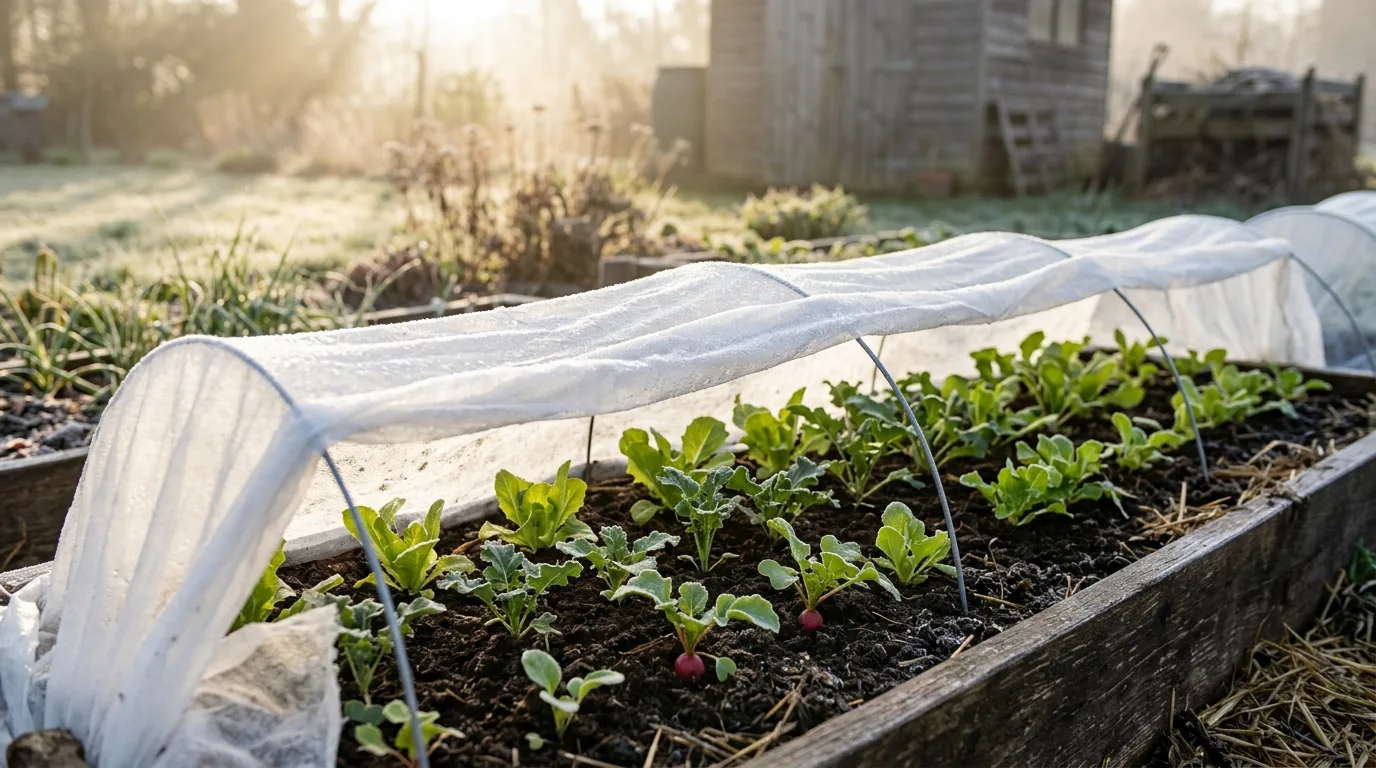
- Protect a young tree from any cold snap with frost cloth for its first winters.
Care and Pollination
Pollination. Bees pollinate pomelo flowers. Many pomelos set fruit on their own, but some varieties set better when another citrus is flowering nearby, so it does no harm to plant one close by.
Watering. Water deeply and regularly through spring and summer while the big fruit swell. Mulch to keep the soil evenly moist.
Feeding. Feed four times a year with a complete citrus fertiliser, in August, November, January and April, as for oranges. See our orange growing guide.
Pruning. Prune lightly after harvest, removing dead wood and shoots from below the graft. Heavy crops may need a branch propped up.
Pests and Diseases
- Scale: Brown or white bumps on stems and leaves, often with black sooty mould growing on the sticky honeydew. Spray with horticultural oil.
- Aphids and mealybug: Cluster on soft new growth. Horticultural oil or a firm jet of water deals with light infestations.
- Citrus leaf miner: Silvery trails in new leaves, which then curl. Spray new flushes of growth with horticultural oil.
- Guava moth: The fruit pest that matters most in the warmer parts of the country. The caterpillar tunnels into developing fruit, citrus included. Use pheromone traps to tell when the moth is active, and bin fallen fruit sealed rather than composting it.
- Lemon tree borer: A native beetle whose larvae tunnel inside branches, leaving small holes and sawdust. Cut out and burn dead or wilting twigs below the damage.
- Collar rot: Oozing, cracked bark at the base of the trunk in wet soil. Keep mulch well clear of the trunk and plant only where water drains away.
For more detail, see our pest management guide.
Harvest and Storage
Pomelos take many months to ripen after flowering. A ripe fruit feels heavy for its size, its skin turns from green towards pale yellow, and it smells fragrant at the stalk end. Colour can lag behind ripeness, so pick one and taste it before harvesting more.
Cut the fruit with a short stalk. The thick skin protects it well, so pomelos keep for weeks in a cool place.
Track Your Pomelo Tree
Add pomelo to your garden in the Planting Season app and get reminders for feeding, pest checks and harvest.
Open the App →Frequently Asked Questions
Where can pomelo grow in New Zealand?
Pomelo suits only Northland and Auckland, and does best in the warmest, frost free spots of the Far North. It is not suited to any other region.
When should I plant a pomelo tree?
Plant in spring, September to November, in Northland or Auckland, once the frosts are over.
Can I grow pomelo in a pot?
A pomelo grows 4 to 7 metres tall, so it does not stay happy in a pot. Plant it in the ground in a warm, sheltered spot.
How do I know when a pomelo is ripe?
A ripe pomelo feels heavy for its size, has turned from green towards pale yellow and smells fragrant. Taste one before picking the rest.
See also: Pomelo in the Plant Library