How to Grow Cumquats in New Zealand
Updated September 2026
The hardiest citrus, and the easiest to grow in a pot

Cumquats are small citrus with a sweet skin and a sharp centre, eaten whole, skin and all. The bush grows only 1.5 to 3 metres tall, carries fruit through winter, and looks good in a pot by the back door. It is also the hardiest citrus you can grow in New Zealand and handles light frost better than oranges, mandarins or lemons.
That hardiness is what makes cumquats worth planting well beyond the warm north. In cooler districts a pot on a sunny, sheltered deck is often the best way to grow one.
Where Cumquats Grow in New Zealand
Cumquats grow in the ground in Northland and Auckland, where you can plant from September to November. In Waikato and the Bay of Plenty they handle inland frosts better than other citrus; plant in October or November after the last frost. In Wellington and the lower North Island, and in sunny Nelson and Marlborough, plant in October or November, and a pot on a sheltered, sunny deck works well.
Further south and inland, cumquats are the hardiest citrus you can try, but timing and shelter matter. On the Central North Island plateau and in Canterbury, plant in November in a sheltered spot or in a pot you can move. In Otago and Southland they are marginal: grow them in a pot on a sunny, sheltered deck and move it under cover for winter. Central Otago's hard winter frosts will kill a cumquat outdoors, so keep a potted tree under cover over winter there. Choose your region below for local planting months.
Varieties to Look For
Nagami
The usual cumquat in New Zealand. Oval fruit with a sweet skin and tart flesh, excellent for marmalade and preserving.
Marumi
Round fruit with a slightly sweeter skin than Nagami. A compact, thorny bush.
Meiwa
Round, larger fruit that is the sweetest of the three, the best choice for eating straight off the bush.
Planting
Plant container grown trees in spring once the frosts are over. Cumquats want full sun, shelter from cold wind, and free draining soil with a pH of about 6 to 7.5.
- In the ground: allow about 2 metres of space. Plant at the same depth as the pot, with the graft union well above soil level, water in and mulch, keeping mulch clear of the trunk.
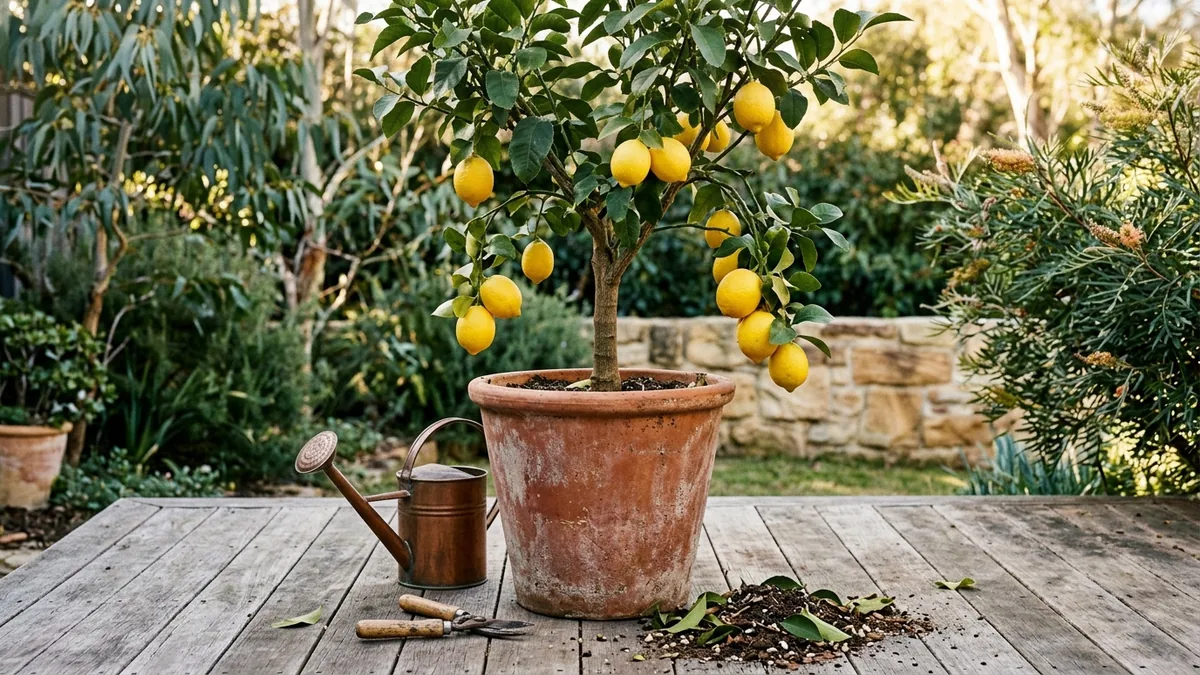
- In a pot: use a pot at least 40 centimetres wide with drainage holes, filled with a premium potting mix or a citrus mix. Stand it on feet so water drains freely. See our guide to growing citrus in pots.
- In frosty districts, plant against a north facing wall, or keep the tree in a pot you can move under cover.
Care and Pollination
Pollination. Cumquats are self fertile, so one bush fruits on its own. Bees visit the scented summer flowers and help the set.
Watering. Water deeply and let the top few centimetres of soil or mix dry before watering again. Potted trees can need water every day or two in summer and far less in winter.
Feeding. Citrus are hungry. Feed with a citrus fertiliser that contains trace elements in early spring, early summer and early autumn, and give potted trees a liquid feed of seaweed or fish emulsion each month through the warm months. Yellowing leaves are usually a sign of hunger or waterlogging, not disease. Our organic feeding guide has more on choosing a fertiliser.
Pruning. Cumquats need very little. Trim to shape after harvest and once frosts are over, and remove any shoots growing from below the graft.
Pests and Diseases
- Scale: Brown or white bumps on stems and leaves, often with black sooty mould growing on the sticky honeydew. Spray with horticultural oil.
- Aphids and mealybug: Cluster on soft new growth. Horticultural oil or a firm jet of water deals with light infestations.
- Citrus leaf miner: Silvery trails in new leaves, which then curl. Spray new flushes of growth with horticultural oil.
- Guava moth: The fruit pest that matters most in the warmer parts of the country. The caterpillar tunnels into developing fruit, citrus included. Use pheromone traps to tell when the moth is active, and bin fallen fruit sealed rather than composting it.
- Lemon tree borer: A native beetle whose larvae tunnel inside branches, leaving small holes and sawdust. Cut out and burn dead or wilting twigs below the damage.
- Collar rot: Oozing, cracked bark at the base of the trunk in wet soil. Keep mulch well clear of the trunk and plant only where water drains away.
For more detail, see our pest management guide.
Harvest and Storage
Cumquats colour up through winter and hang on the bush for weeks, often into spring, so you can pick as you need them. Fruit is ready when it is fully orange and gives slightly when squeezed. Snip fruit off with a short stalk rather than pulling, which can tear the skin.
Picked cumquats keep for about a week on the bench and 2 to 3 weeks in the fridge. A heavy crop goes a long way as marmalade, or preserved whole in syrup. See our guide to jam, jelly and marmalade.
Track Your Cumquat
Add cumquats to your garden in the Planting Season app and get reminders for feeding, pest checks and harvest.
Open the App →Frequently Asked Questions
Can you grow cumquats in a pot?
Yes. Cumquats are one of the best citrus for pots. Use a pot at least 40 centimetres wide, a premium potting mix, and feed through the growing season. In cold districts a pot lets you move the tree under cover for winter.
Are cumquats frost hardy?
Cumquats are the hardiest citrus for New Zealand and handle light frost better than other citrus. Hard frosts still kill them, so in Central Otago keep a potted tree under cover over winter, and in Otago and Southland grow them in a pot on a sheltered deck.
Do you eat cumquats whole?
Yes. The skin is the sweet part and the flesh is sharp, so cumquats are eaten whole, skin and all. They are also made into marmalade and preserved in syrup.
When should I plant a cumquat?
Plant in spring once the frosts are over: September to November in Northland and Auckland, October or November in Waikato and the Bay of Plenty, Wellington and Nelson, and November on the Central North Island, in Canterbury and in Otago and Southland.
See also: Cumquats in the Plant Library