
Why Are My Plant Leaves Turning Yellow?
Updated November 2026
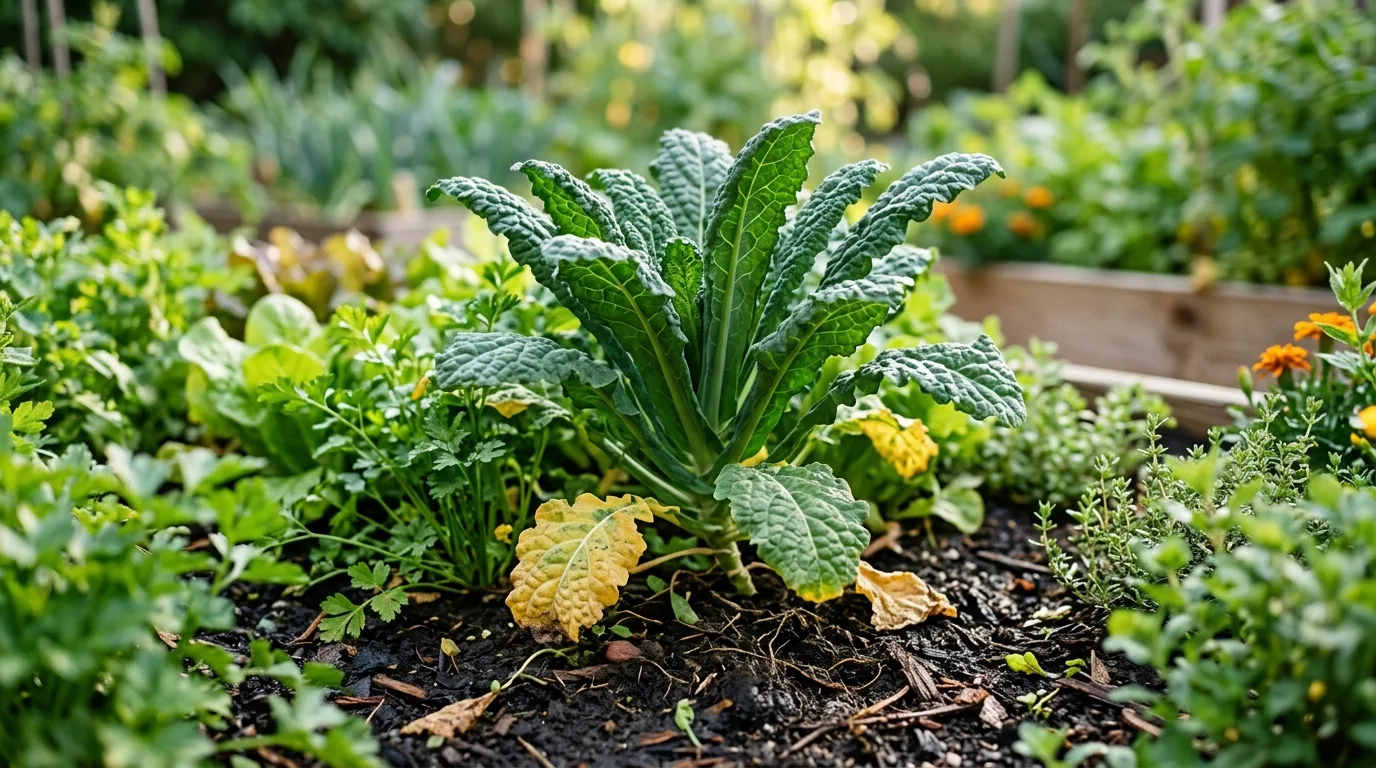
Yellowing is a symptom, not a diagnosis. The pattern tells you the cause. Here is how to read it.
Yellow leaves are the garden's most common cry for help, and also its most ambiguous. The same colour can mean too much water or too little, a hungry plant or a waterlogged one. The key is to read the pattern: which leaves are yellowing, where on the plant, and what the rest of the leaf is doing. That pattern points you to the cause.
Read the pattern first
- Oldest, lowest leaves yellowing first, evenly. Usually a nitrogen shortage. The plant is moving nitrogen from old leaves to new growth. Common in fast, leafy crops and hungry soil.
- Whole plant pale and yellowing, soil constantly wet. Overwatering or poor drainage. Soggy roots cannot take up nutrients and effectively drown.
- New, top leaves yellow with green veins. An iron or manganese issue, often because the soil is too wet, too alkaline, or compacted rather than truly short of the nutrient.
- Yellowing with brown crispy edges. Usually drying out, heat stress or salt build-up from over-fertilising.
- Yellow stippling or speckling. Check the underside of leaves for pests like spider mite or aphids.
The most common cause: water, not food
Gardeners reach for fertiliser first, but overwatering is the more common cause of general yellowing. Waterlogged soil starves roots of oxygen and they stop working, which looks exactly like a nutrient problem. Before you feed, check the soil. Push a finger in. If it is wet and the leaves are yellowing, the fix is to back off watering and improve drainage, not to add more.
How to fix each cause
If it is hunger (lower leaves, even yellowing)
Feed with a balanced liquid fertiliser or side-dress with compost or a nitrogen source. Leafy crops respond within a week or two. Build soil with compost over time so it holds fertility.
If it is overwatering (whole plant, wet soil)
Let the soil dry out before watering again, and only water when the top few centimetres are dry. Improve drainage by adding compost, raising beds, or moving pot plants off saucers that hold water.
If it is locked-out nutrients (new growth, green veins)
Improve drainage and aeration first, since wet or compacted soil is usually the real cause. A seaweed or trace-element feed can green things up once the roots can work again.
If it is pests or disease
Turn leaves over and check for insects. Treat sap-suckers with a hose blast and the usual controls. If yellowing comes with wilting that does not recover overnight, suspect a root or vascular disease and remove badly affected plants.
Yellow leaves diagnosis table
Match what you see to the likely cause, then follow the link for the full guide.
| What you see | Likely cause | What to do first | Read more |
|---|---|---|---|
| Lower leaves yellow evenly, plant pale, soil damp but not soggy | Nitrogen shortage, common after a wet winter | Feed with compost or a balanced liquid feed and mulch | Compost and worms |
| Whole plant pale, soil constantly wet, plant wilts | Waterlogged roots or root rot | Stop watering, improve drainage and check the roots | Root rot |
| New leaves yellow with green veins | Iron or manganese locked up by cold, wet or compacted soil | Fix drainage first, then add a trace element feed | Symptom finder |
| Fine yellow stippling, webbing under leaves | Spider mites | Spray leaf undersides with water | Spider mites |
| Yellow, curled leaves with sticky coating and ants | Aphids, whitefly or scale | Wash off pests and block the ants | Aphids, whitefly |
| Yellow mottled or patterned leaves, stunted plant | Virus | Remove the plant and control aphids | Mosaic virus |
| Yellow blotches with brown spots, then rapid collapse in damp weather | Blight or downy mildew | Remove affected leaves and improve airflow | Early blight, late blight, downy mildew |
| One side of the plant yellows, then wilts, with a brown streak in the stem | Fusarium or verticillium wilt | Remove the plant and rotate crops | Fusarium wilt, verticillium wilt |
| Yellow, wilting plants and fat white grubs in the soil | Grass grub | Dig the bed and remove the grubs | Grass grub |
Yellow leaves by crop
- Tomatoes. Yellow lower leaves are often normal ageing or hunger. Yellow leaves with brown target-like spots point to early blight, and rapid collapse in damp weather points to late blight. See also our tomato leaf curl guide.
- Zucchini, cucumber and pumpkin. Yellow patches that turn brown from the older leaves up are usually powdery mildew or downy mildew.
- Beans and peas. Pale leaves with a poor root system point to root rot after cold, wet weather, and rust pustules mean rust.
- Brassicas. Yellow, wilting plants with swollen, distorted roots have clubroot. Pale, sticky leaves with grey insects are aphids, and chewed leaves with butterflies around mean white butterfly.
- Citrus. Yellow leaves with green veins are a common sign of iron or magnesium shortage in cold, wet soil. See our lemon tree problems guide and check for scale and sooty mould.
- Onions and garlic. Yellow tips and early dieback can be white rot, rust or thrips.
Yellow leaves checklist
- Check the soil first: push a finger 3 to 5 cm down. Wet and yellow means ease off water, dry and yellow means water, and evenly moist with pale lower leaves means feed.
- Look at the pattern: old leaves or new, even or between the veins, whole plant or one side.
- Turn leaves over and check for stippling, webbing, sticky honeydew and insects.
- Lift a pot plant, or dig down beside a garden plant, and look at the roots.
- Change one thing at a time and give it a fortnight, because yellow leaves do not turn green again but new growth will tell you whether the fix worked.
Not sure what you are looking at? Try our plant problem finder, which starts from what you can see.
When yellow leaves are normal
Not all yellowing is a problem. The lowest leaves of many plants yellow and drop with age, and seedlings often shed their first seed leaves as the true leaves take over. A few yellow leaves low down on an otherwise thriving plant is nothing to worry about.
Frequently Asked Questions
Why are the bottom leaves of my plant turning yellow?
Even yellowing of the oldest, lowest leaves usually means a nitrogen shortage, as the plant moves nitrogen up to new growth. If the soil is also constantly wet, overwatering is the more likely cause. A few aged lower leaves yellowing is normal.
Do yellow leaves mean too much or too little water?
Either, so check the soil. Soggy soil with general yellowing means overwatering, the more common cause. Dry soil with yellowing and crispy brown edges means underwatering. Feel the soil a few centimetres down before deciding.
Should I remove yellow leaves?
You can remove leaves that are fully yellow or dying, as they will not recover and tidying them helps airflow. But fix the underlying cause first, otherwise new leaves will simply yellow too. Do not strip a plant bare.
Will yellow leaves turn green again?
Usually not. A leaf that has lost its green rarely fully recovers. The goal is to fix the cause so new growth comes through healthy and green. Improvement shows in the new leaves, not the old ones.
Why are my plant's new leaves yellow with green veins?
Yellowing between green veins on new growth points to an iron or manganese issue, most often because the soil is waterlogged, compacted or too alkaline rather than genuinely short of the nutrient. Improve drainage and aeration first.
Why are my tomato leaves turning yellow?
Yellow lower leaves are often normal ageing or hunger. Yellow leaves with brown target-like spots suggest early blight, rapid collapse in damp weather suggests late blight, and mottled yellow with stunting can be a virus. Check the pattern and the roots.
Why are the leaves on my lemon tree turning yellow in winter?
Cold, wet soil stops lemon roots working, so leaves yellow with green veins or all over. Improve drainage, avoid overwatering in winter and feed in spring. Check for scale and sooty mould too.
Can yellow leaves be caused by too much water?
Yes, overwatering is the most common cause. Waterlogged roots cannot take up nutrients or oxygen, so the plant looks hungry. Let the soil dry out and improve drainage.
How long do yellow leaves take to recover?
A yellow leaf rarely turns green again. After you fix the cause, new growth should come through green within two to three weeks.
See also: Pest and Disease Guide and Compost and Worms
Get next month's planting calendar, free
One email a month with exactly what to plant in your region, plus seasonal tips and harvest reminders. No spam, and you can unsubscribe any time.