
How Long Do Vegetables Take to Grow in NZ? Days to Harvest Chart
Updated November 2026
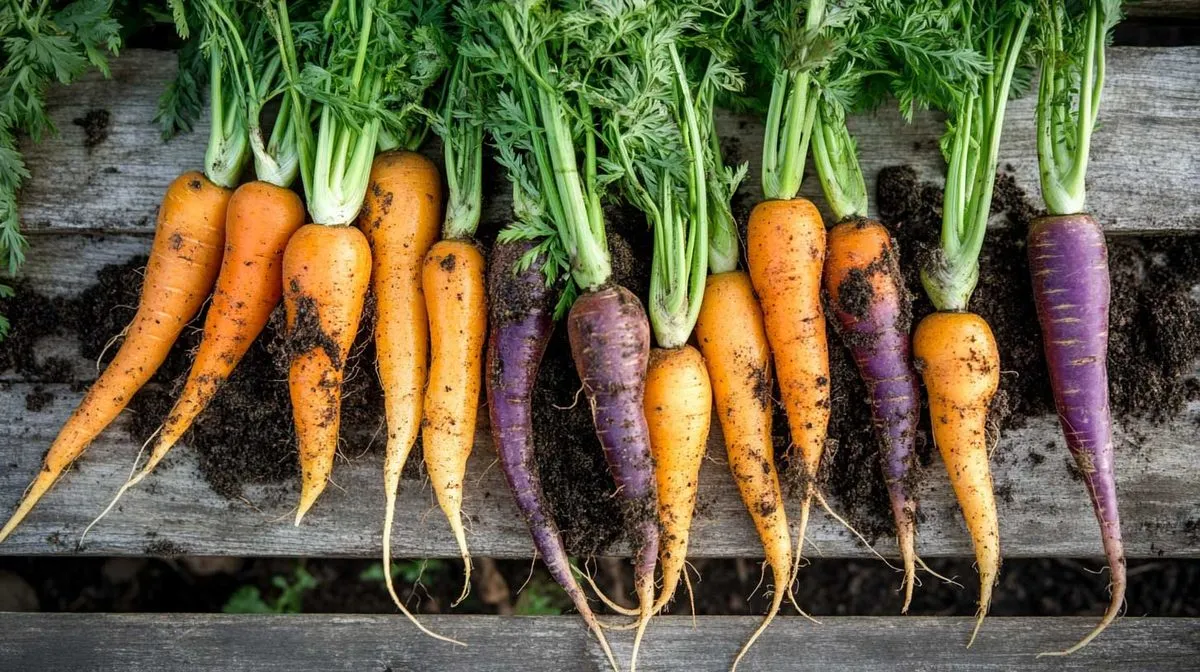
A New Zealand days to harvest chart covering potatoes, garlic, carrots, kumara and more, with tips for cooler regions.
Vegetables take anywhere from a few weeks to most of a year to reach harvest in a New Zealand garden. Radishes and salad leaves are quickest, courgettes, beans and tomatoes sit in the middle, and garlic, onions and kumara need a long run. The chart below puts roughly 60 crops side by side so you can plan what to sow and when to expect it.
The short version, days to first harvest:
- Potatoes: 90 days.
- Garlic: 210 days.
- Carrots: 85 days.
- Tomatoes: 85 days.
Each count starts at sowing or planting out. A cool spring or a short southern summer adds to it.
What the figures mean
The days to harvest here come from the Planting Season plant library, the same figures the app uses. Each one is an average for the crop, counted from sowing seed or planting out a seedling, crown or tuber until the first harvest. It marks the start of picking rather than the end, so a courgette plant carries on cropping well past its number.
Think of it as a planning tool. If a gardener in Invercargill and one in Whangarei both sow beans on the same day, the Northland crop will be ready first, because warmth drives growth. The figure also assumes decent soil and regular watering. Use it with the notes column, which says how to tell when a crop is truly ready, and with our guide to when to start seeds for working back from a target date.
Days to harvest chart for New Zealand gardens
Every crop name links to a growing guide or plant page with sowing months for each region. Within each group the quickest crops come first.
Fast crops, under 60 days
| Crop | Days to harvest | Ready when, or a tip for your region |
|---|---|---|
| Radish | 30 | Pull as soon as the tops of the roots show; a cold snap in the south slows them but they rarely fail. |
| Mizuna | 40 | Cut and come again, and it shrugs off light frosts in most regions. |
| Mustard greens | 40 | Take the young leaves for salads and let the older ones go hot for stir fries. |
| Rocket | 40 | Snip young leaves for a mild bite; plants bolt fast in a warm Northland summer. |
| Endive | 45 | A good autumn crop in Canterbury and Otago, where cool nights keep the leaves sweeter. |
| Tatsoi | 45 | Handles cool Southland weather well, so keep sowing into autumn. |
| Bok choy | 50 | Sow after the worst of the spring chill, or it may bolt before it heads up. |
| Coriander | 50 | Grows best in cool shoulders of the year, and runs to seed in January heat. |
| Gai lan | 55 | Cut the main flower stem early; side shoots keep coming in mild weather. |
| Lettuce | 55 | Pick outer leaves from small, and keep sowing through summer in the cooler south. |
| Spinach | 55 | Thrives in cool weather, so it suits autumn and early spring in most of the country. |
| Turnip | 55 | Lift while roots are still tender and no bigger than a tennis ball. |
Medium crops, 60 to 100 days
| Crop | Days to harvest | Ready when, or a tip for your region |
|---|---|---|
| Cucumber | 60 | Heat lovers in the south, where a glasshouse or tunnel makes the harvest far more reliable. |
| Daikon | 60 | Best sown in late summer for autumn roots, before cold slows growth. |
| Dill | 60 | Sow where it can stay put, then snip fronds or collect seed heads in late summer. |
| Kohlrabi | 60 | Pick at tennis ball size; larger bulbs go fibrous, especially after dry spells. |
| Silverbeet | 60 | A tough, reliable crop through a southern winter; just pick the outer stalks. |
| Snow peas | 60 | Check the vines every second day once pods start; flat pods are best. |
| Spring onion | 60 | Pull whenever they reach the thickness you like, from thin to chunky. |
| Courgette | 60 | Needs warm soil, so wait until frosts have finished; a few plants will feed a whole household. |
| Basil | 65 | Needs warmth, so grow it in a glasshouse or on a sunny sill in the colder regions. |
| Bush beans | 65 | Sow once soils are warm; Central Otago and Canterbury gardeners often wait until November. |
| Beetroot | 65 | Reliable almost everywhere, and the roots stay sweet if you harvest while still small. |
| Squash | 65 | Likes a sheltered spot; in cooler regions give it the warmest corner of the section. |
| Broccolini | 70 | Cut the first head, then keep harvesting the side shoots for weeks. |
| Kale | 70 | Stands up to frost, and frost often makes the leaves sweeter. |
| Peas | 75 | Pick pods when full but still bright, and eat them soon after picking. |
| Carrot | 85 | Pull one to check; a root as wide as your thumb at the top is ready to eat. |
| Rockmelon | 85 | Only worth the effort in the warmest regions or under cover; the fruit slips off its stem when ripe. |
| Tomato | 85 | In cooler regions plant seedlings under cover or against a warm north wall for fruit before autumn frosts. |
| Broad beans | 90 | A standard autumn sowing in many regions; pick pods while the beans are plump but tender. |
| Broccoli | 90 | Harvest the main head before yellow flowers show, then watch for side shoots. |
| Cabbage | 90 | A firm squeeze tells you the head is solid, and winter types hold well in cold ground. |
| Chilli | 90 | Start early indoors and finish in a glasshouse or tunnel in any region with a short summer. |
| Sweet corn | 90 | The silks turn brown and the kernels give a milky squirt when ripe; it needs a long warm run. |
| Potato | 90 | New potatoes can go in the pot once the plants flower; leave main crops until the tops die down. |
| Strawberry | 90 | Pick fully red berries, and net them early or the birds will beat you to it. |
| Swede | 90 | A cool climate favourite in the south; lift roots at fist size. |
| Watermelon | 90 | Needs a hot summer, so it suits Northland and Bay of Plenty far better than the deep south. |
| Capsicum | 100 | Needs heat for a good harvest, so plan on a glasshouse south of the Waikato. |
| Cauliflower | 100 | Cut the curd while firm and tight; heat or a late frost can spoil it. |
| Eggplant | 100 | One for warm, sheltered spots or a tunnel house; the glossy skin tells you it is ripe. |
Slow crops, over 100 days
| Crop | Days to harvest | Ready when, or a tip for your region |
|---|---|---|
| Shallot | 110 | Lift when the foliage flops and yellows, then dry them in a shed. |
| Brussels sprouts | 120 | Slow but rewarding in the cold south; pick from the base up once sprouts are firm. |
| Celery | 120 | Wants steady moisture, and benefits from a long mild season in a rich bed. |
| Leek | 120 | A good winter standby that sits happily in cold soil until you need it. |
| Parsnip | 120 | Leave them in the ground over winter, as cold improves the flavour. |
| Pumpkin | 120 | Cut when the rind is hard and the stalk is dry, before the first hard frost arrives. |
| Celeriac | 150 | Lift knobs from tennis ball size onward before the ground freezes hard. |
| Jerusalem artichoke | 150 | Dig after the foliage browns; leave the rest in the ground until needed. |
| Kumara | 150 | Kumara need a long warm season, so they do best in Northland, Auckland and the Bay of Plenty. |
| Onion | 180 | Bend the tops over when they begin to yellow, then lift and cure in the sun. |
| Garlic | 210 | Plant in autumn; the cold winter is part of what makes the bulbs split into cloves. |
| Ginger | 270 | Only for the warmest parts of the north, or a heated glasshouse elsewhere. |
Perennials and fruit
| Crop | Days to harvest | Ready when, or a tip for your region |
|---|---|---|
| Fig | 365 | Needs a warm, sheltered position in cooler regions, and fruit is ready when it hangs and softens. |
| Globe artichoke | 365 | Cut buds while the scales are still tight; plants stay productive for years. |
| Rhubarb | 365 | Pull stalks from the second season and always discard the leaves. |
| Passionfruit | 400 | Frost tender, so it suits Northland and the warm coastal north; fruit wrinkles slightly when ready. |
| Tamarillo | 540 | Grows well in frost free northern gardens; pick when the skin has fully coloured. |
| Asparagus | 730 | Be patient in the first years while the crowns build; pick spears about as long as your hand. |
| Blueberry | 730 | Wants acidic soil, and the berries sweeten a few days after turning blue. |
| Feijoa | 730 | A true New Zealand backyard favourite; collect fruit that has dropped under the tree. |
| Lemon | 730 | Keep out of frost and wind, and pick fruit once it is fully coloured. |
| Apple | 1460 | A tree that rewards patience; fruit is ready when it lifts off with a gentle twist. |
Trees, canes and perennial crowns work on a longer clock than annuals. Their figures run from planting a young plant to the first useful crop, which often arrives in a later season and starts light.
Quick crops when you are short on time
Radish leads at 30 days, with rocket, mizuna and mustard greens close behind at 40 days. These crops suit a first garden, a school plot or a gap between bigger plantings. Bok choy, tatsoi and spinach follow within two months and cope well with cool nights, which is handy in Otago, Southland and the high country.
Our fast growing vegetables guide goes into more of these. In a cold spring, a row of radish and a few spinach seedlings give you something to eat while the courgettes wait for warmer soil.
- Sow small amounts often, as a few rows every fortnight beat one large sowing.
- Water consistently, because dry spells make radish hot and lettuce bitter.
- Use a cloche or cover in cool districts to bring forward the first picking.
Why growing times differ around the country
New Zealand stretches across a wide range of climates, and that shows in the harvest date. Northland and the Bay of Plenty have warm soil early and few frosts, so heat lovers move quickly. In Canterbury, Central Otago and Southland, spring is slower and autumn frosts arrive early, so summer crops often need a glasshouse or tunnel house to finish before the cold returns.
Look up your own last and first frost on the frost dates page, then open your region: Northland, Auckland, Waikato and Bay of Plenty, Wellington and the Lower North Island or Canterbury. A long day count matters more in the south, because there are fewer frost free days to fit it into.
Other things that change the count:
- Soil warmth. Cold spring soil leaves seed sitting for weeks before it sprouts.
- Season. Garlic and onions respond to day length, so the calendar matters as much as temperature.
- Variety. Check the seed packet, as an early type can beat our average by a good margin.
- Shelter and soil. A windy, exposed section or hungry soil slows everything down.
Succession planting with the days figure
The days figure tells you how long a crop will hold its bed. For quick crops that suggests sowing a fresh batch every two or three weeks. Long crops such as pumpkins and onions go in once and stay put. Our succession planting guide explains how to stagger them, and the crop rotation guide shows what should follow in each bed.
A neat trick is to tuck a quick crop between slow ones. Radish between young leeks or parsnips will be finished before the larger plants need the room.
Potatoes
The library lists potatoes at 90 days, a middle figure for the kinds most people grow. Early varieties are lifted sooner as new potatoes, while main crops go longer and store better. In most of the country planting happens from late winter in the north to late spring in the cold south, so check your region before you start.
The harvest guide for potatoes describes the signs to watch for, the growing guide has regional sowing months, and the container guide suits small sections and courtyards.
Garlic
With a count of 210 days, garlic is among the slowest crops on the list. Cloves go in during autumn and bulbs come out the following summer. In Canterbury the planting window is Apr to Jul, and winter cold actually helps the bulbs divide into cloves.
See the garlic harvest guide for lifting and curing, and the growing guide for the full method. Pots work as well, as the garlic in containers page explains.
Carrots
Carrots average 85 days, but much of the delay comes early on. The seed is slow to germinate, and if the surface dries out the row can sit bare for a fortnight or more. Keep it damp, thin the seedlings, and the rest of the growth is steady.
Pull a few small roots as you thin, then leave the others to fatten. If carrots fork, the soil is usually stony or was recently manured, and the forked carrots guide has the cure. Sowing months for each region are in the carrot growing guide.
Using the numbers in your own plan
Take your planting date and add the days figure to see when picking should begin. A bush bean with a count of 65 days sown in warm soil gives a first meal a little over two months later. If the date lands after your usual first frost, choose a faster crop, start seedlings indoors or move the planting under cover.
Working backwards is just as handy. Count back 85 days from the date you hope to eat the first tomato, then allow a few more weeks for raising seedlings. The tomato guide has regional dates, and our vegetable garden planning guide helps fit it all together.
Questions
How long do vegetables take to grow in New Zealand?
It ranges from a few weeks for radish and salad leaves to most of a year for garlic and onions. The chart on this page lists the average for about 60 crops, and cooler southern regions run longer.
How long do potatoes take to grow?
The chart gives the average from planting seed potatoes to the first harvest. New potatoes are ready sooner, and main crop types for storage take longer.
How long does garlic take to grow?
Garlic is planted in autumn and lifted the next summer, which makes it one of the slowest crops listed. The chart gives its average days from clove to bulb.
How long do carrots take to grow?
The chart shows the average from sowing to a full sized root, and baby carrots can be pulled earlier. Slow germination in cold soil is the usual reason a row runs late.
Why is my crop slower than the chart says?
The figures are averages, and a cool spring, a shaded section, dry spells or a slow variety all add time. Sowing in the right months for your region helps most.